What Should Sellers Do During an Open House?
If you're preparing to list your home, one of the most common questions you'll ask your agent is: what should I actually do during an open house? Stay and answer questions? Step outside? Leave entirely? It's a fair question, and the answer matters more than most sellers realize. How you handle your own presence — or absence — during an open house can directly affect how buyers feel, how freely they communicate, and ultimately, how strong an offer you receive.
The Short Answer: Leave the Property
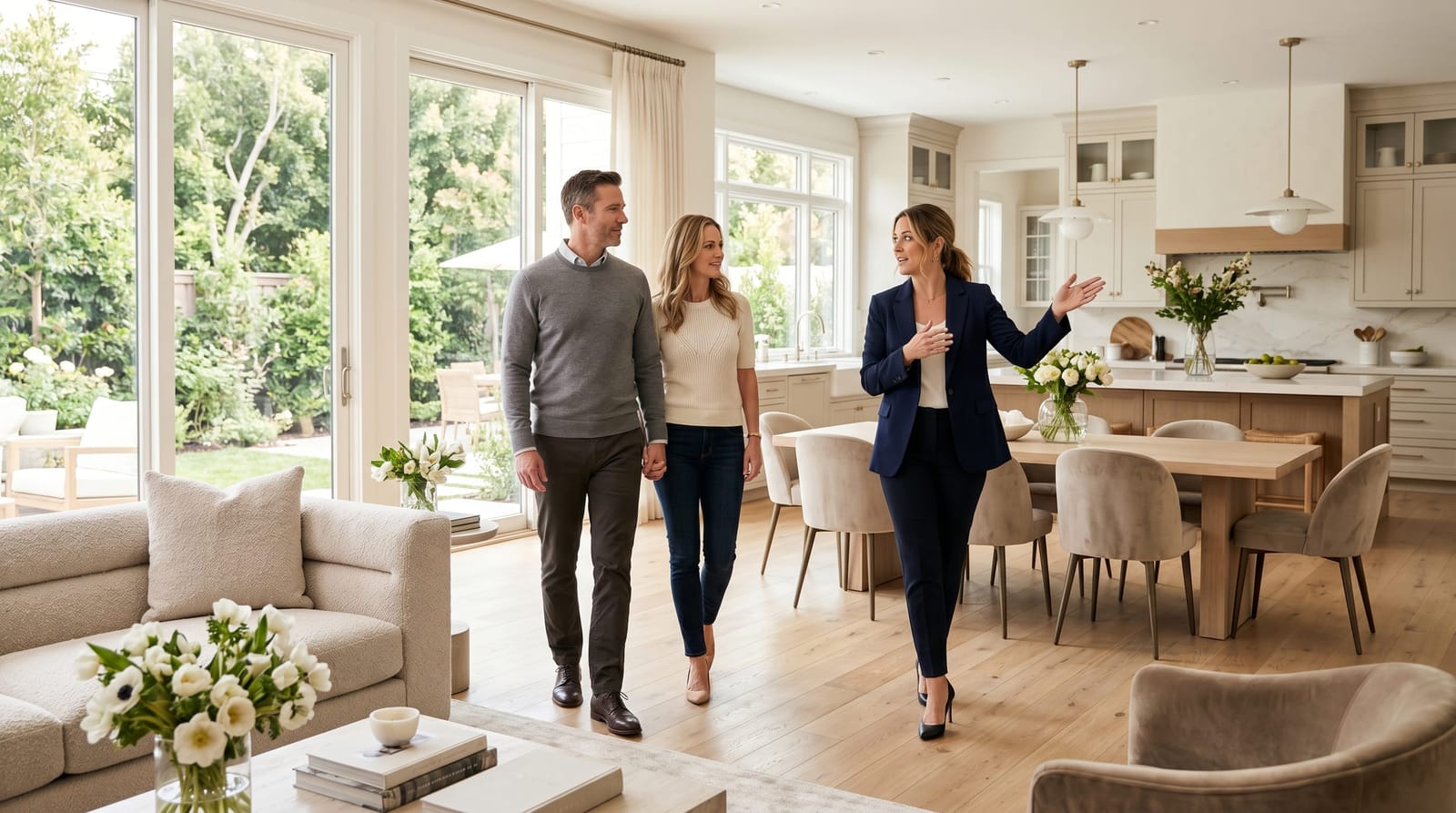
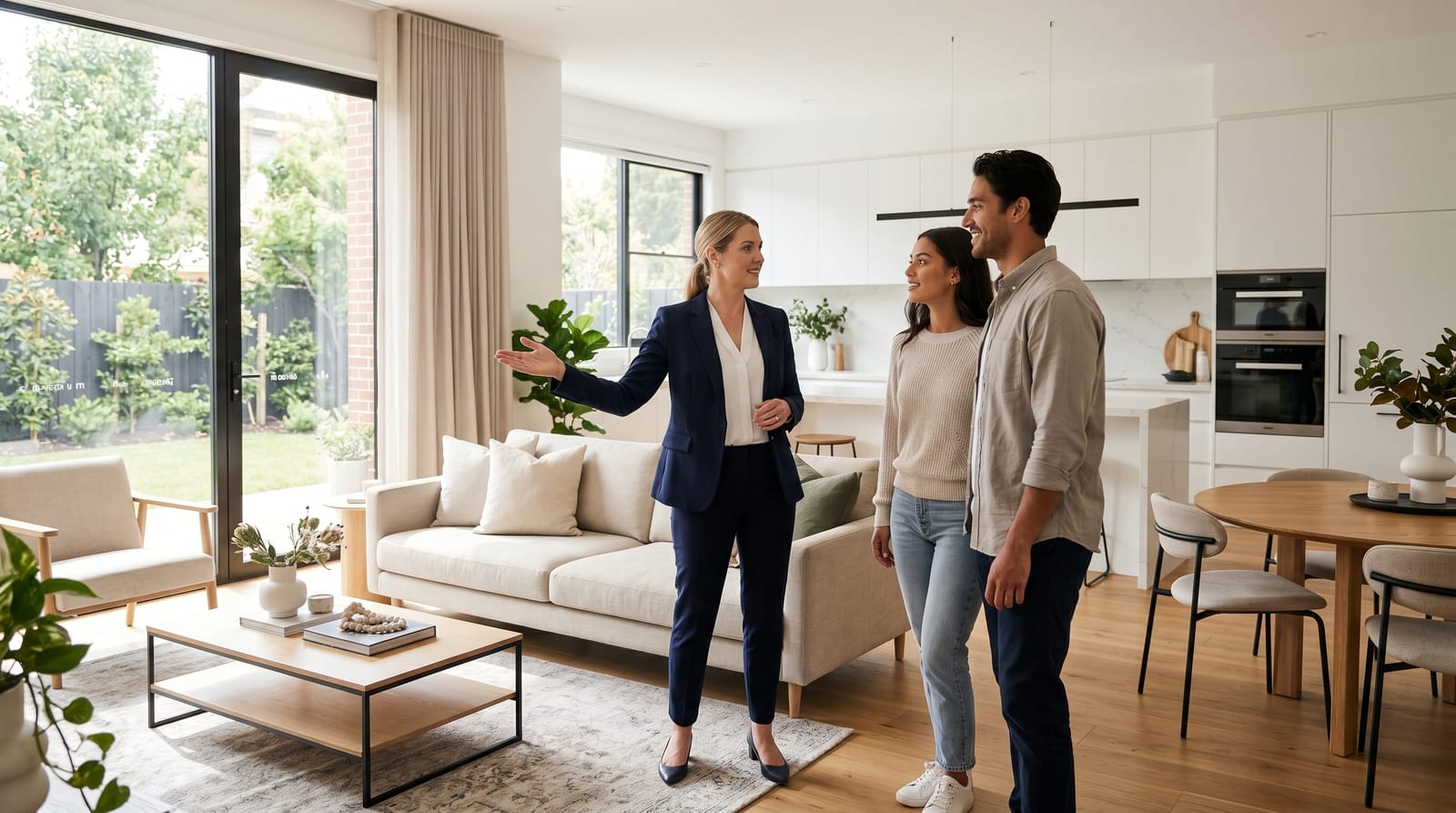
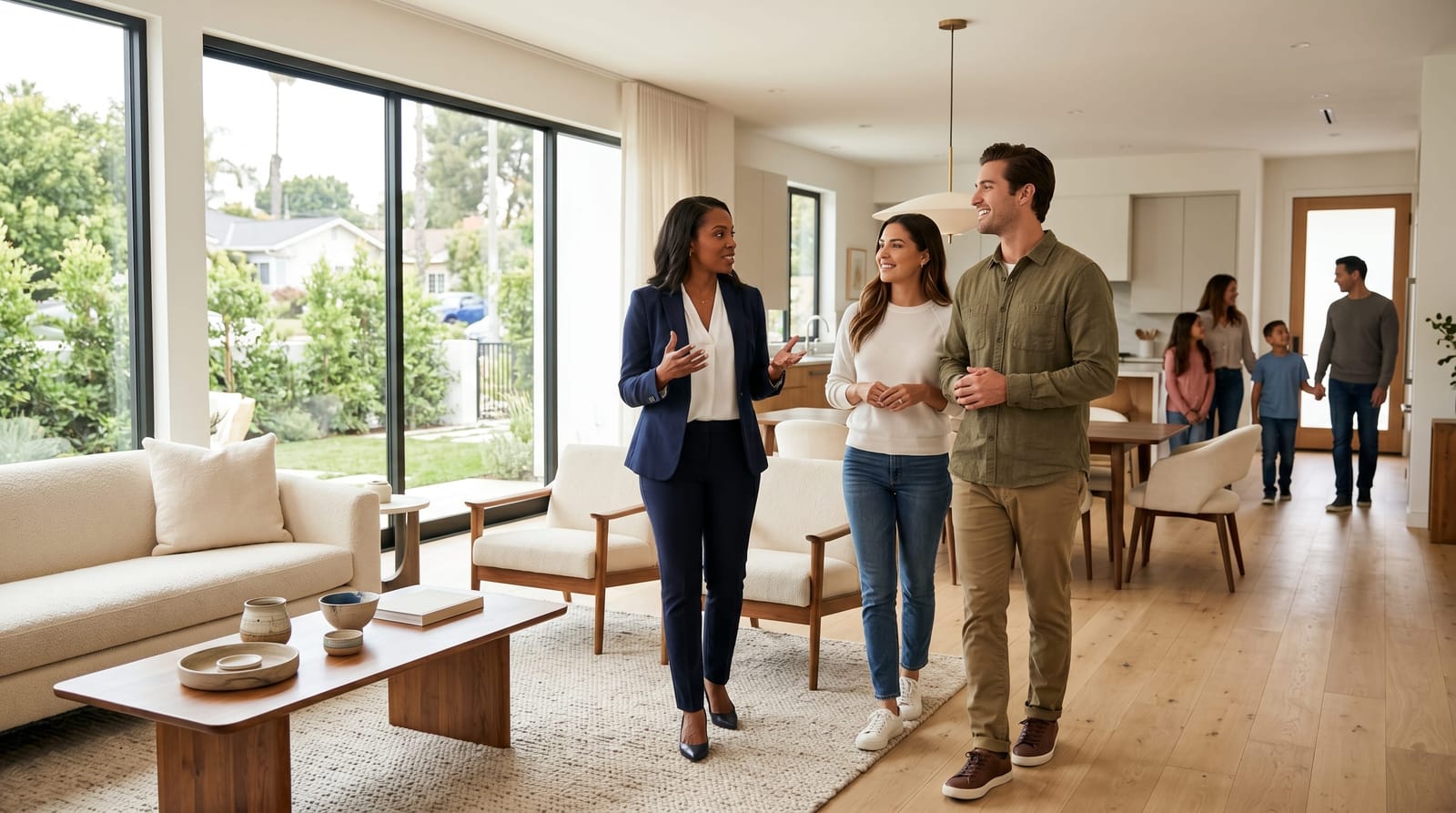
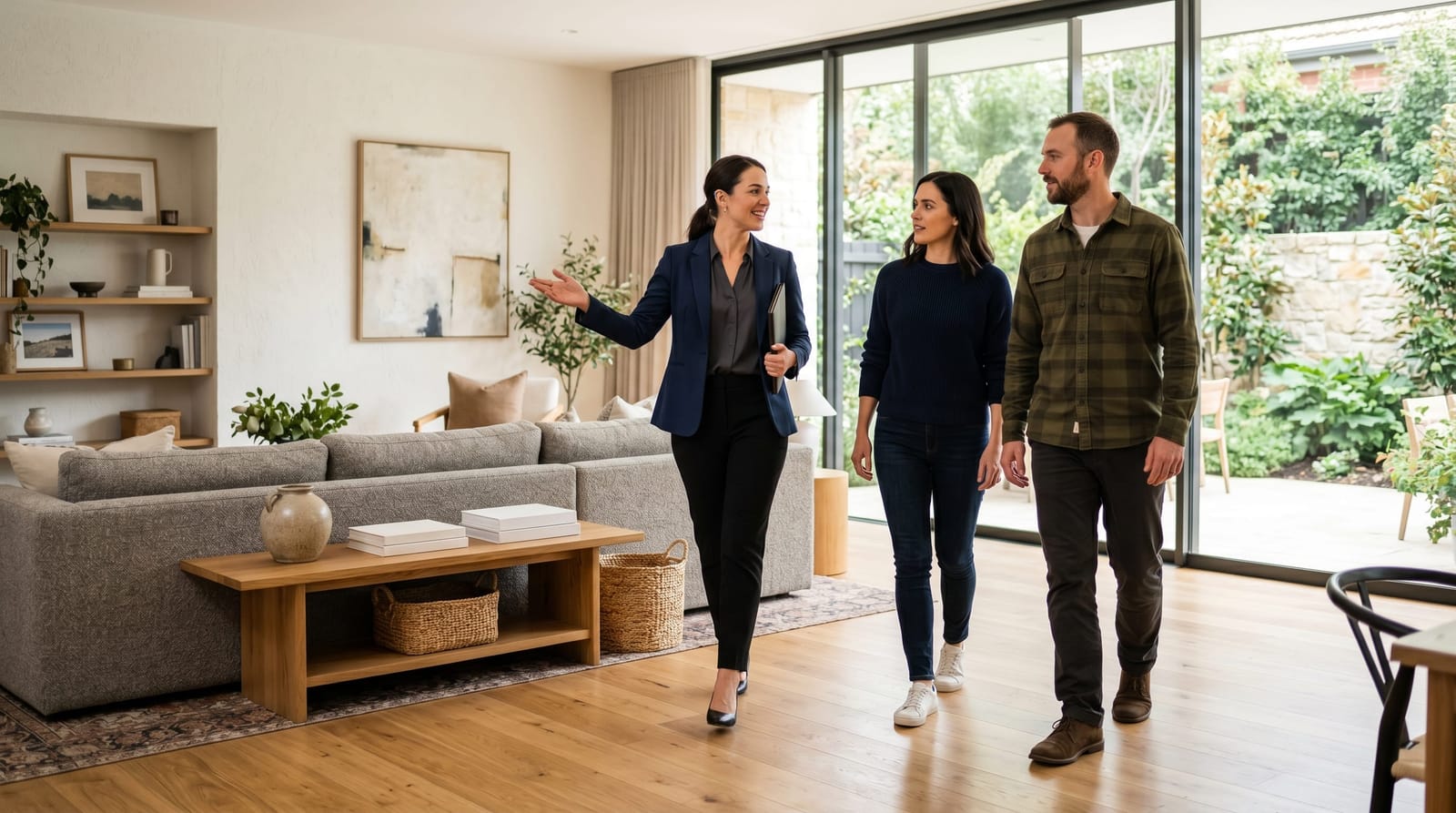
The most universally agreed-upon advice from real estate professionals is this — sellers should not be present during an open house. This isn't a suggestion. It's a strategy. When sellers vacate the property, they hand full control of the showing experience to their listing agent, whose entire job is to guide buyers toward a favorable impression and gather intelligence that can strengthen your negotiating position.
Studies and agent surveys consistently reinforce this. According to the National Association of Realtors, over 77% of buyers' agents report that a seller's presence during a showing negatively affects a buyer's willingness to speak openly about the home. When you're standing in your own kitchen, buyers won't say, "This feels cramped" or "I wish there was a second bathroom." They'll smile, say thank you, and walk out — taking honest feedback with them that your agent never gets to hear.
Your absence isn't a sign of disinterest. It's a professional move that protects your negotiation position and creates the environment buyers need to genuinely connect with the home.
What to Do Before You Leave: The Pre-Open House Checklist
The real work sellers do happens in the hours before the open house begins. A well-prepared home creates first impressions that no amount of friendly seller conversation can manufacture. Here's a practical checklist to complete before guests arrive:
- Deep clean every room — Pay special attention to kitchens, bathrooms, and entry areas. Buyers notice countertop clutter, dusty baseboards, and odors immediately.
- Remove personal photographs and valuables — Photos make it harder for buyers to imagine themselves living there. Valuables should be locked away or removed entirely for security reasons.
- Secure medications and financial documents — Open houses bring multiple strangers through your home. Never leave prescription bottles, passports, or financial statements visible.
- Open blinds and turn on all lights — Bright, naturally lit spaces photograph well and show better in person. Darkness makes rooms feel smaller and less inviting.
- Remove pets and their belongings — Pet hair, odors, and food bowls are among the top turn-offs for buyers. Take pets to a neighbor's home or off the property entirely.
- Set a comfortable temperature — Aim for 68–72°F. A home that feels stuffy or cold leaves buyers rushing to leave rather than lingering and connecting with the space.
- Put away political, religious, or controversial decor — You want buyers focused on the home, not forming opinions about your personal views.
Your listing agent should walk through the home with you at least once before the open house to identify anything you may have overlooked. This walkthrough takes 20–30 minutes and can make a measurable difference in how buyers respond.
Why Your Absence Protects Your Negotiating Position
Here's something sellers often don't consider: when you're present during an open house, you become a liability to your own deal. Not intentionally — but emotionally.
Sellers who linger during showings tend to overshare. They mention how much they've loved living there, reference the neighbors, point out features that buyers hadn't noticed, and — most dangerously — sometimes hint at their motivation for selling. A buyer who learns you're going through a divorce, relocating urgently, or have already purchased another home will use that information to negotiate a lower price. That's not cynical; that's how real estate negotiations work.
When you leave and your agent manages the showing, buyers ask questions freely. They might say, "We love this but the price feels high." Your agent hears that, files it away, and uses it strategically. If the buyer had said nothing because you were in the room, that valuable feedback — which could help you adjust your listing strategy — would disappear entirely.
Your listing agent also controls the narrative. They highlight value, address objections professionally, and build buyer enthusiasm. That's a skill set developed over hundreds of transactions. Let them use it.
Where Should Sellers Go During an Open House?
Most open houses run 2–3 hours, typically on Saturday or Sunday afternoons. That's a manageable block of time to plan around. Here are practical options:
- Visit a local coffee shop or restaurant
- Run errands you've been putting off
- Take children or pets to a park
- Visit friends or family nearby
- Catch a movie or browse shops in the area
The key is to stay completely off the property until your agent gives you the all-clear. Don't drive past. Don't circle the block. Buyers sometimes linger after an open house to talk candidly with the agent, and seeing the seller's car pull up can shut that conversation down immediately.
What to Do After the Open House
Once the open house concludes, your agent's job isn't finished — and neither is yours. Within 24 hours of the showing, a good listing agent should:
- Share a summary of how many people attended and sign-in sheet data
- Relay specific feedback from buyers and buyer's agents
- Identify any recurring concerns about price, condition, or layout
- Follow up with interested parties to gauge offer likelihood
As the seller, your job is to listen to that feedback without defensiveness. If three separate buyers commented that the master bedroom felt dark, that's actionable information. If multiple visitors asked whether the roof had been recently replaced, that's a signal to proactively provide documentation. Learning how to use open house feedback to refine your listing approach can be the difference between a sale that drags on for months and one that closes quickly at your target price.
You should also check that your home is fully re-secured — doors locked, any items that were moved back in place, and the property ready for daily life again.
Frequently Asked Questions
Can sellers ever stay during an open house?
In very rare circumstances — such as a property with unique features that truly require explanation, or a specialty estate with complex systems — a seller might participate in a limited way. But in the vast majority of residential sales, seller presence is discouraged. Even well-intentioned sellers unintentionally create awkwardness that discourages buyers from engaging honestly with the agent.
What if I'm worried about theft during an open house?
This is a legitimate concern. Before leaving, remove all jewelry, prescription medications, financial documents, electronics, and portable valuables. Most experienced agents limit the number of people touring simultaneously, and some use a sign-in process. However, no open house is fully theft-proof, so removing high-value items beforehand is the best protection you have.
How long should sellers expect to be away from the home?
Plan for the full duration of the open house plus at least 30 minutes on either end. Most open houses run 2–3 hours, so budget approximately 3–4 hours total. Your agent needs time to set up before guests arrive and may have meaningful conversations with lingering buyers after the official window closes.
Should sellers do anything special for private showings versus open houses?
The same principles apply — sellers should vacate for private showings as well. In fact, individual showings are often more serious than open house traffic. A buyer who schedules a private appointment is typically further along in their decision-making process, which means your agent's one-on-one time with them is even more valuable. Leave the home clean, bright, and comfortable, and let your agent do their job.
The Bottom Line
When it comes to what sellers do during an open house, the answer is straightforward: prepare thoroughly, then leave. Your presence, however well-meaning, can stifle buyer honesty and undermine your own negotiating leverage. The most effective thing you can do is trust your listing agent to manage the experience professionally while you step away. Open houses are just one piece of a broader selling strategy — and when executed correctly, they generate the feedback, interest, and offers that move your sale forward on favorable terms.