How to Use Open House Feedback to Adjust Your Listing Strategy
Hosting an open house is only half the job. The real value lies in what happens after visitors walk through the door — specifically, what they say, what they notice, and what made them hesitate. For sellers working with an experienced agent, open house feedback is one of the most powerful tools available for refining a listing strategy in real time. This post breaks down exactly how to collect meaningful feedback, identify patterns that signal problems, and make strategic adjustments before a listing goes stale.
Why Open House Feedback Is a Strategic Asset, Not Just a Courtesy
Most sellers think of open house feedback as a polite exchange — visitors say nice things, maybe mention a concern, and everyone moves on. In reality, structured feedback is a live data stream that reveals how the market perceives your property at its current price and presentation.
Consider this: according to the National Association of Realtors, homes that sit on the market for more than 30 days typically sell for 5–10% below original asking price. Much of that price erosion could be avoided if sellers acted on early feedback signals rather than waiting weeks to see the numbers trend downward. Open house visitor input — collected consistently and analyzed for patterns — gives you that early warning system.
A well-executed open house feedback loop also does something else: it shifts the conversation from opinion to data. When an agent tells a seller "we need to reduce the price," that's a hard conversation. When an agent shows a seller that 7 out of 10 open house visitors said the home "feels overpriced for the neighborhood," the data does the persuading. Structured open house feedback listing strategy work turns subjective impressions into objective evidence.
How to Collect Feedback That's Actually Useful
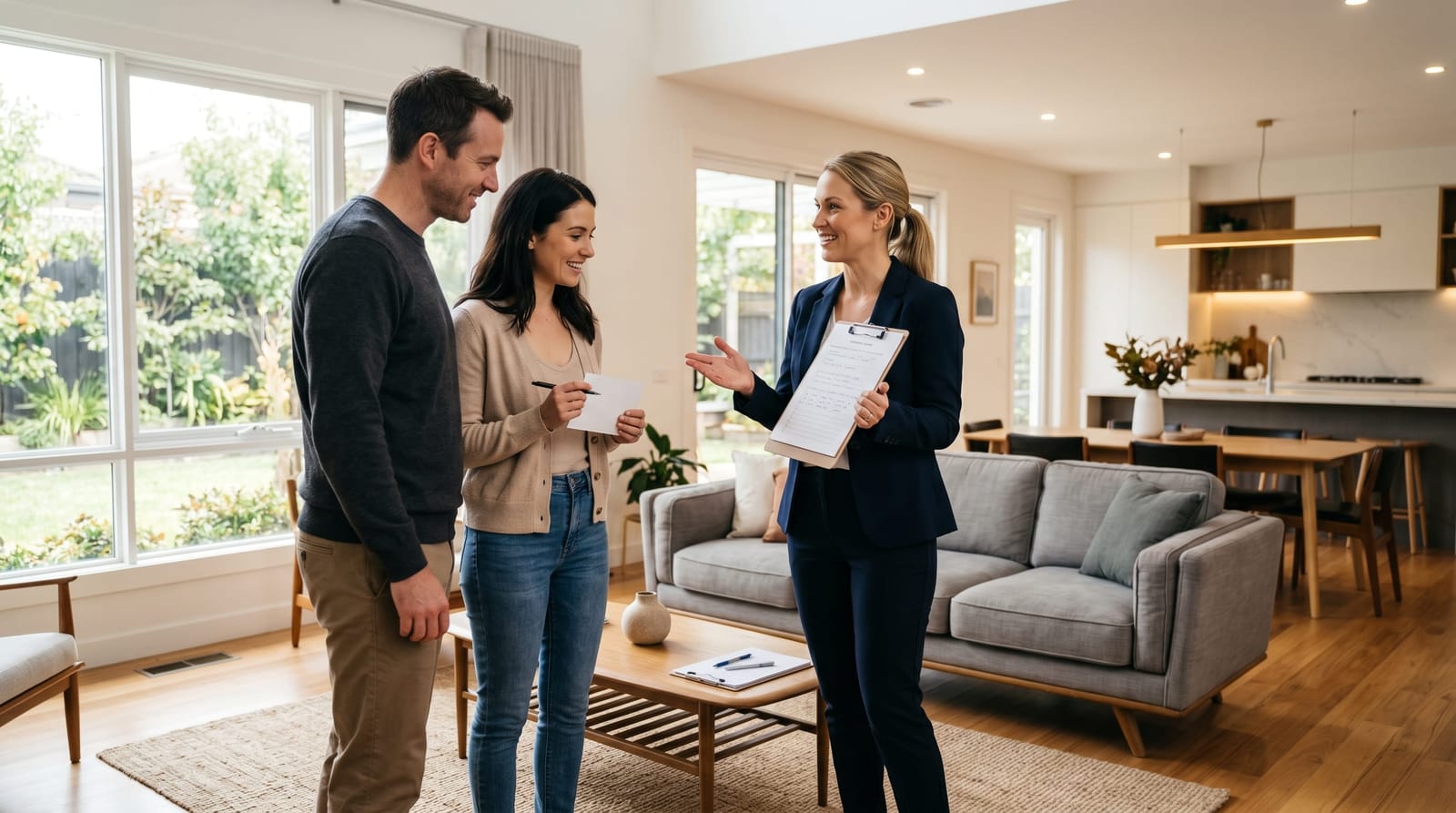
The quality of your feedback depends entirely on how you ask for it. A generic sign-in sheet with a "comments" box will produce almost nothing actionable. A structured questionnaire — whether digital or printed — changes the game.
Effective open house questionnaires should include 6–8 targeted questions covering the following areas:
- First impression: "What was your reaction when you first walked in?" This captures curb appeal and entryway impact.
- Perceived value: "Do you feel the asking price reflects the home's condition and location?" A yes/no with a comment field surfaces pricing perception quickly.
- Comparison awareness: "Are you currently considering other properties in this price range?" This tells you about competitive positioning.
- Specific concerns: "Was there anything about the property that gave you pause?" This opens the door to honest objections visitors wouldn't volunteer unprompted.
- Likelihood of follow-up: "How likely are you to request a private showing?" Use a 1–5 scale to quantify buyer intent.
Digital forms sent via text or email immediately after the showing — within 2 hours — generate significantly higher response rates than paper forms collected on the spot. Research from real estate technology platforms suggests follow-up digital surveys can achieve 30–40% response rates when sent promptly, compared to under 10% for on-site paper collection.
Agents should also take personal notes during the event. Body language, the rooms visitors lingered in, questions asked aloud, and comments made casually between partners are all data points that never make it onto a questionnaire. Understanding what sellers do during open house events matters too — sellers who aren't present give agents more freedom to observe authentic buyer behavior and conversation.
Recognizing Patterns That Signal Pricing or Presentation Problems
One piece of negative feedback is an outlier. The same concern mentioned by three or more visitors across a single open house is a pattern — and patterns demand a response.
Here are the most common feedback patterns and what they typically indicate:
Pricing Signals
If 40% or more of visitors indicate the home feels overpriced relative to comparable properties, or if the "likelihood of follow-up" scores average below 3 out of 5, it's a strong indicator the price needs revisiting. A price reduction of even 2–3% can dramatically reactivate buyer interest and generate new showing requests within days.
Presentation and Staging Signals
Repeated comments about clutter, odor, dated fixtures, or rooms that feel small suggest staging or prep issues rather than pricing. These are often lower-cost fixes with high impact — professional staging has been shown to increase offer prices by an average of 1–5%, according to the Real Estate Staging Association. If feedback clusters around a specific room, that room becomes the priority for improvement before the next open house.
Marketing and Expectation Gap Signals
When visitors say things like "the photos made it look bigger" or "I expected something different," that's a marketing alignment problem. Your open house feedback listing strategy work should flag these comments immediately and prompt a review of listing photos, video walkthroughs, and written descriptions to ensure they set accurate expectations.
Turning Feedback into Strategic Adjustments
Collecting feedback without acting on it is the most common mistake sellers and agents make. An effective open house feedback listing strategy requires a defined review process after every event.
Within 48 hours of each open house, an agent should:
- Compile all feedback into a single summary document, noting frequency of repeated themes.
- Score buyer intent across all respondents to identify any warm leads worth immediate follow-up.
- Flag actionable concerns — separate what can be changed quickly (staging, photography) from what requires a bigger decision (price adjustment).
- Present findings to the seller with a clear recommendation, backed by visitor data rather than agent opinion alone.
- Schedule adjustments before the next showing — not after. Even small changes signal responsiveness to the market and can shift buyer perception meaningfully.
An important strategic note: the first two weeks on market are the most critical. Properties receive the highest visibility and foot traffic in this window. Acting on open house feedback within that period — rather than waiting for the 30-day mark — preserves negotiating leverage and minimizes the stigma of a price reduction later.
Frequently Asked Questions
How many open house attendees should provide feedback before I can identify a pattern?
Generally, feedback from at least 5–8 visitors provides enough data to identify a reliable pattern. A single open house with 10–15 attendees and a 30–40% questionnaire response rate gives you 3–6 data points — enough to surface consistent themes. If your open house draws fewer visitors, combine data from two events before drawing conclusions.
Should sellers be told every piece of negative feedback?
Agents should share patterns and trends, not every individual comment. Isolated negative opinions can be misleading and emotionally difficult for sellers to hear out of context. When 6 out of 8 respondents mention the same issue, that's the conversation to have — framed as market data, not personal criticism.
What's the most common feedback signal that leads to a price reduction?
The clearest signal is a combination of high foot traffic with low follow-up interest. If your open house draws 20 visitors but generates zero requests for private showings within 5 days, buyers are engaging with the property but rejecting it at the price point. That pattern, especially when paired with "feels overpriced" comments, strongly indicates a price adjustment is needed.
Can open house feedback ever indicate the listing is performing well?
Absolutely. Positive patterns — high buyer intent scores, multiple visitors requesting private showings, comments about the home exceeding expectations — are equally important signals. They tell you that your current pricing, staging, and marketing approach is resonating, and that holding firm on price is justified. Good open house feedback listing strategy work means recognizing wins as clearly as it identifies problems.
Turning Visitor Insights Into Listing Results
Open house feedback is only as valuable as the system built around it. When collected consistently, analyzed for patterns, and acted on quickly, visitor input becomes one of the most reliable tools for adjusting a listing strategy before problems compound. Whether the data points to a pricing issue, a staging opportunity, or a marketing gap, it gives sellers and agents something invaluable: objective evidence to guide the next move. Used well, open house feedback doesn't just improve the next event — it shortens the path to a successful sale.