What Buyers Should Look for When Attending an Open House
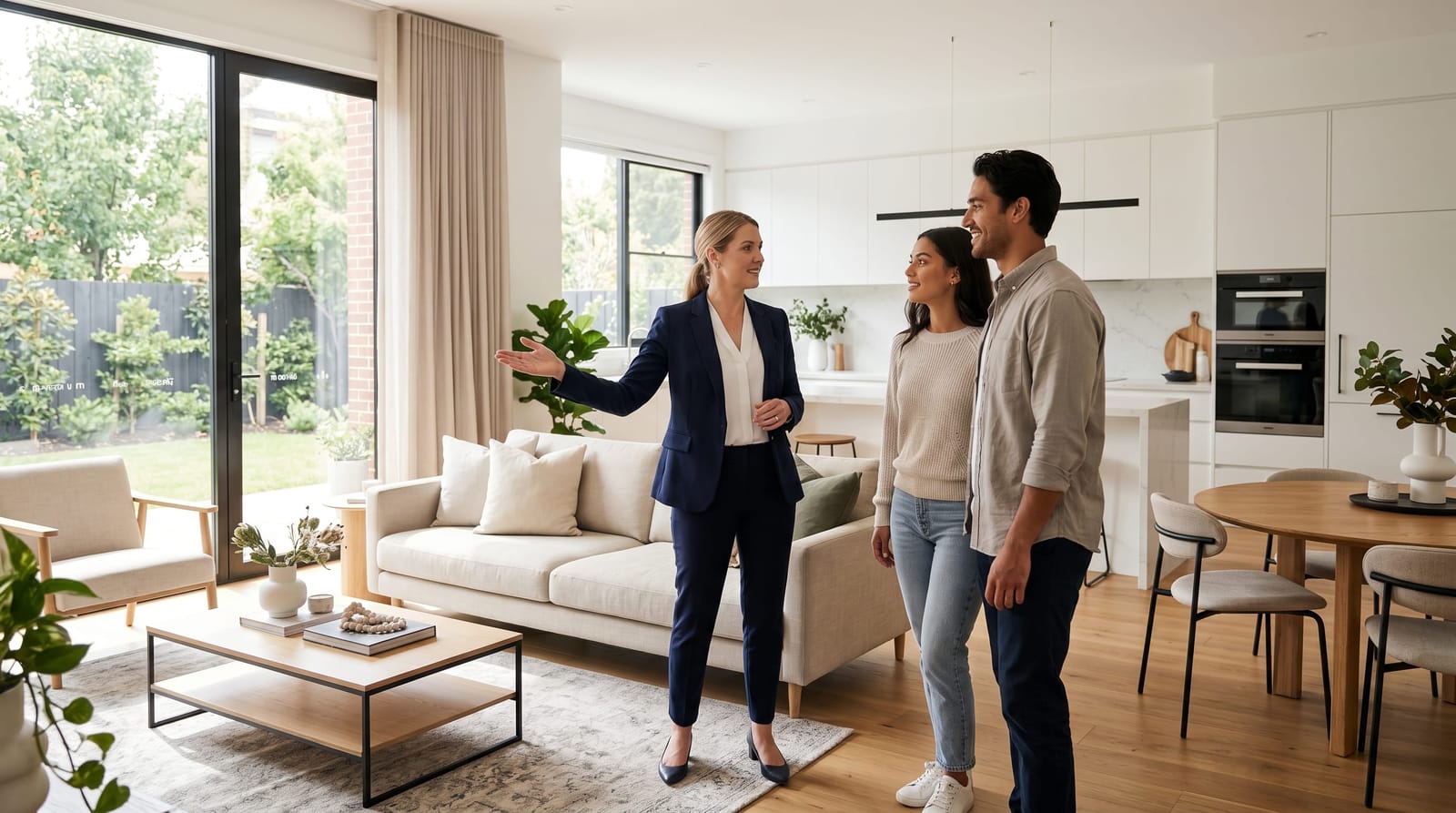
Open houses are one of the best opportunities you have as a buyer to truly experience a home before making any decisions. Unlike scrolling through photos online, walking through a property in person lets you notice things a camera simply cannot capture — the way natural light fills the living room, whether the floors creak, or how the neighborhood feels on a quiet Saturday afternoon. But if you walk in without a plan, it is easy to get swept up in the staging and miss what actually matters. This guide is part of our complete resource on navigating the home buying and selling process, and it focuses specifically on helping buyers get more out of every open house visit. From structural red flags to the right questions to ask, here is what to look for at an open house so you can evaluate any property with confidence.
Start With the Exterior Before You Ever Step Inside
Most buyers rush straight through the front door, but the exterior of a home tells you a tremendous amount before you even say hello to the hosting agent. A 2021 survey by the National Association of Realtors found that 97% of buyers said curb appeal was at least somewhat important when evaluating a home. Take a few minutes to circle the property if you can, and pay attention to the following.
Foundation and Drainage
Look for visible cracks along the foundation walls or corners of the home. Hairline cracks can be cosmetic, but wide or stair-step cracks in brick or block foundations can signal more serious structural movement. Also check whether the ground slopes toward the house rather than away from it. Poor drainage is one of the leading causes of basement water intrusion, and correcting it after purchase can cost anywhere from $1,500 to $15,000 or more depending on severity.
Roof Condition
You do not need to climb up to assess the roof. From the street, look for missing or curling shingles, sagging ridgelines, or visible moss growth — all signs the roof may be nearing the end of its lifespan. The average asphalt shingle roof lasts 20 to 25 years, and a full replacement typically runs between $8,000 and $20,000 depending on home size. Ask the hosting agent when the roof was last replaced and whether documentation is available.
Windows, Siding, and Gutters
Check for peeling paint, rotting wood trim, damaged siding panels, or gutters that are pulling away from the fascia. These may seem like minor cosmetic issues, but they can lead to water infiltration and more significant repairs down the road.
What to Look for at an Open House: Interior Structural Observations
Once inside, resist the urge to evaluate the decor and instead focus your attention on the bones of the home. Professional staging is designed to create an emotional response, and that is completely fine — just make sure it does not distract you from the structural observations that matter most when you are considering a significant financial investment.
Walls, Ceilings, and Floors
Look carefully at walls and ceilings for water stains, bubbling paint, or discoloration — these are common indicators of past or active leaks. In older homes, brown rings on ceilings often point to a roof or plumbing issue above. Check floors for soft spots, uneven surfaces, or significant squeaking, which can sometimes indicate subfloor damage or settling. According to the American Society of Home Inspectors, water-related damage is among the most commonly reported findings in home inspections nationwide.
Doors and Windows
Open and close interior doors and windows where possible. Doors that stick, swing open on their own, or do not latch properly may point to foundation settling or structural shifts. Fogged or condensation-filled double-pane windows typically mean the seal has failed and the window may need replacement, which averages $150 to $400 per window.
Basement and Attic Access
If accessible, always look at the basement and attic. Basements should not smell musty or show visible water marks along the walls. White chalky deposits on basement walls, known as efflorescence, are a reliable sign that water has been migrating through the concrete. In the attic, look for signs of proper insulation, adequate ventilation, and any dark staining on the rafters that could indicate past moisture or mold exposure.
Plumbing, Electrical, and HVAC: The Systems That Drive Costs
Major home systems are often the largest source of unexpected expenses for new homeowners. While you cannot do a full systems inspection at an open house, you can do a meaningful preliminary assessment in just a few minutes.
Plumbing Basics
Turn on faucets to check water pressure and observe how quickly the water heats up. Look under sinks for signs of past leaks — warped cabinet wood, rust stains, or water damage are all warning signs. Ask the agent about the age of the water heater. Most conventional water heaters last 8 to 12 years, and replacement typically costs between $1,000 and $2,500 installed.
Electrical Panel and Outlets
Locate the electrical panel and check whether it appears organized and properly labeled. Older homes with fuse boxes rather than breaker panels, or panels from manufacturers with known reliability issues, can be a flag worth raising with a home inspector. Test a few outlets if you have a phone charger handy — non-functioning outlets can indicate wiring issues or simply deferred maintenance.
Heating and Cooling Systems
Ask the agent when the HVAC system was last serviced and how old it is. The average furnace lasts 15 to 20 years, while central air conditioners typically last 12 to 15 years. Replacement costs can range from $5,000 to $12,000 depending on the system type and home size, so knowing where the current equipment stands in its lifespan is valuable context.
Assessing the Neighborhood During Your Visit
The home itself is only part of the picture. The neighborhood, street, and surrounding environment will shape your daily quality of life in ways that square footage and countertop finishes never will. Open house visits — which typically happen on weekends — give you a snapshot of the community at a specific moment, so complement your visit with research at different times of day.
Noise and Traffic Levels
Stand quietly for a moment inside the home and listen. Are you near a busy road, flight path, or rail line? Weekend afternoons can be deceptively quiet compared to weekday rush hour conditions. If the home is in an area where noise might be a concern, plan a second visit during commute hours before making an offer.
Proximity to Amenities and Services
Note how close the property is to grocery stores, schools, parks, and healthcare facilities. Studies from the National Association of Realtors consistently show that walkability and access to amenities rank among the top factors buyers consider when choosing a neighborhood — and these same features influence long-term resale value.
General Street and Neighbor Observations
Take a casual look at neighboring properties. Well-maintained yards and homes generally signal a neighborhood where residents take pride in their properties. This is not about judgment — it is practical context about the community environment you would be joining.
Red Flags to Watch For and Questions Worth Asking
Some of the most valuable information you can gather at an open house comes from a direct conversation with the hosting agent. Agents representing the seller are obligated to disclose material facts about the property, and asking the right questions can surface important details that photographs and listing descriptions do not always capture.
Our deeper resource on questions to ask at open house goes into significant detail on this, but here are some of the most important starting points:
- How long has the home been on the market, and have there been any price reductions?
- Are there any known issues with the property that have been disclosed?
- When were the major systems — HVAC, roof, water heater — last replaced or serviced?
- Have there been any major renovations, and were permits pulled for the work?
- What are the current utility costs on average per month?
- Why is the seller moving?
Unpermitted work is a particularly important red flag. Renovations completed without proper permits can create challenges during financing, insurance, and future resale. According to some estimates, unpermitted additions or improvements are discovered in a meaningful percentage of home sales, and resolving them can cost thousands of dollars in retroactive permitting fees or required modifications.
Beyond the conversation, trust your senses. Unusually strong air fresheners or candles can sometimes mask odors from pets, mold, or moisture. If something feels off, make a note and bring it up with your buyer's agent.
How to Evaluate Without Overcommitting
One of the most common mistakes buyers make at open houses is feeling pressured to signal strong interest on the spot. An open house is an information-gathering visit, not a commitment. You are there to learn, observe, and decide whether the property warrants a deeper look — nothing more.
Bring a notebook or use your phone to document observations, photos, and questions. Rate the home on the aspects that matter most to your needs: layout functionality, storage space, natural light, outdoor space, and overall condition. This makes it much easier to compare multiple properties after a busy weekend of showings.
If a home genuinely interests you, the appropriate next step is to schedule a private showing with your buyer's agent to revisit it more carefully. From there, if it remains compelling, a professional home inspection — typically costing between $300 and $600 for an average-sized home — will give you a comprehensive picture before any offer is finalized.
You might also find it helpful to review our guide on open house etiquette for buyers, which covers how to present yourself professionally, what is and is not appropriate to do while touring a home, and how to handle crowded open house situations gracefully.
And if you are curious about what goes into creating a memorable showing experience from the seller's side, our post on luxury open house tips sellers offers a fascinating perspective on how well-prepared sellers approach presentation — which in turn gives buyers even more insight into what to look for and expect.
Related Topics Worth Exploring
This post is part of a broader set of resources designed to help buyers and sellers navigate the open house process with confidence. If you found this guide helpful, you may also want to explore:
- What questions should you ask at a real estate open house? — A deeper dive into the specific conversations that can reveal what a listing description cannot.
- How should buyers behave at an open house? — Practical guidance on making the most of your visit while being respectful of the property and the process.
- Private showings vs. open houses: Which is the better path for serious buyers? — Coming soon.
Walking Away with Clarity, Not Just Impressions
Attending an open house with a clear plan transforms the experience from a passive tour into an active evaluation. When you know what to look for at an open house — structural integrity, system conditions, neighborhood context, and the right questions to ask — you walk away with real information rather than just a feeling. That clarity is what helps you make confident, well-informed decisions without rushing, overcommitting, or overlooking something important.
If you are actively searching for a home and want a knowledgeable guide by your side at every showing, reach out to Khaki Realtor. With consistent weekend availability and a genuine commitment to helping buyers find the right fit, we are here to make every open house visit count.