How to Host a Successful Luxury Open House That Attracts Qualified Buyers
A luxury open house is not just an event — it is an experience. When you are selling a high-end home, the way you present it to the market matters just as much as the property itself. Done well, a thoughtfully planned luxury open house creates emotional connection, generates serious interest, and brings qualified buyers through the door. Done poorly, it leaves money on the table.
This post is part of our complete guide to open houses, which covers the full process from a seller and buyer perspective. Here, we are going deeper on the seller side — specifically what it takes to host a luxury open house that stands out. We will cover everything from advance preparation and professional staging to guided tours, premium hospitality, and smart follow-up. These are the same strategies applied every weekend to help homeowners sell with confidence.
Start With a Pre-Qualified Buyer Strategy
A luxury open house should feel exclusive. That begins before anyone walks through the door.
Rather than advertising broadly and hoping for foot traffic, a more effective approach is building a targeted list of qualified buyers. This means working with buyers who are pre-approved, actively searching in the right price range, and genuinely interested in the neighborhood or home style.
Where This List Comes From
- Active buyer clients currently represented by your agent
- Buyers who have inquired about similar listings in the area
- Local relocation buyers working with corporate HR departments
- Past open house attendees who showed strong interest
- Referrals from other agents in the brokerage network
Personal invitations — whether by phone, email, or even a printed card — signal that this is not an ordinary public event. It tells serious buyers this home deserves their focused attention.
When marketing the event more broadly, premium digital channels work well. Think targeted social media ads, email campaigns to local buyer audiences, and listing features on high-visibility platforms. For truly high-end properties, print advertising in local lifestyle publications still holds value with certain buyer demographics.
This kind of intentional, multi-channel marketing strategy is something we cover in depth in our post on how to market an open house to maximize attendance and qualified traffic — well worth reading alongside this one.
Professional Presentation: What Buyers Actually Notice
Luxury buyers pay attention to details. Your home needs to feel move-in ready, thoughtfully curated, and genuinely impressive — not just clean.
Staging That Speaks to the Lifestyle
According to the National Association of Realtors, 83% of sellers' agents staged the primary bedroom before a showing. That is not a coincidence. The bedroom is where buyers picture their daily life, and a well-staged space makes that picture easy to imagine.
Every room should tell a story. Think of it less as decorating and more as lifestyle curation. A luxurious primary suite with layered bedding, soft lighting, and minimal clutter feels aspirational. A kitchen with fresh flowers and no countertop distractions feels welcoming.
Light, Space, and Sensory Details
- Open every window covering to maximize natural light
- Add layered lighting in darker rooms — ambient, task, and accent
- Use mirrors strategically to expand the perception of space
- Remove personal photographs and family-specific décor
- Use subtle, neutral scents — fresh flowers or light candles work well
- Stage outdoor spaces with comfortable seating and accessories
The outdoor areas deserve the same attention as the interior. A staged patio or deck adds square footage buyers can feel, not just measure. If the home has a pool, garden, or view, make sure those features are visible and accessible during the event.
The Guided Tour Experience
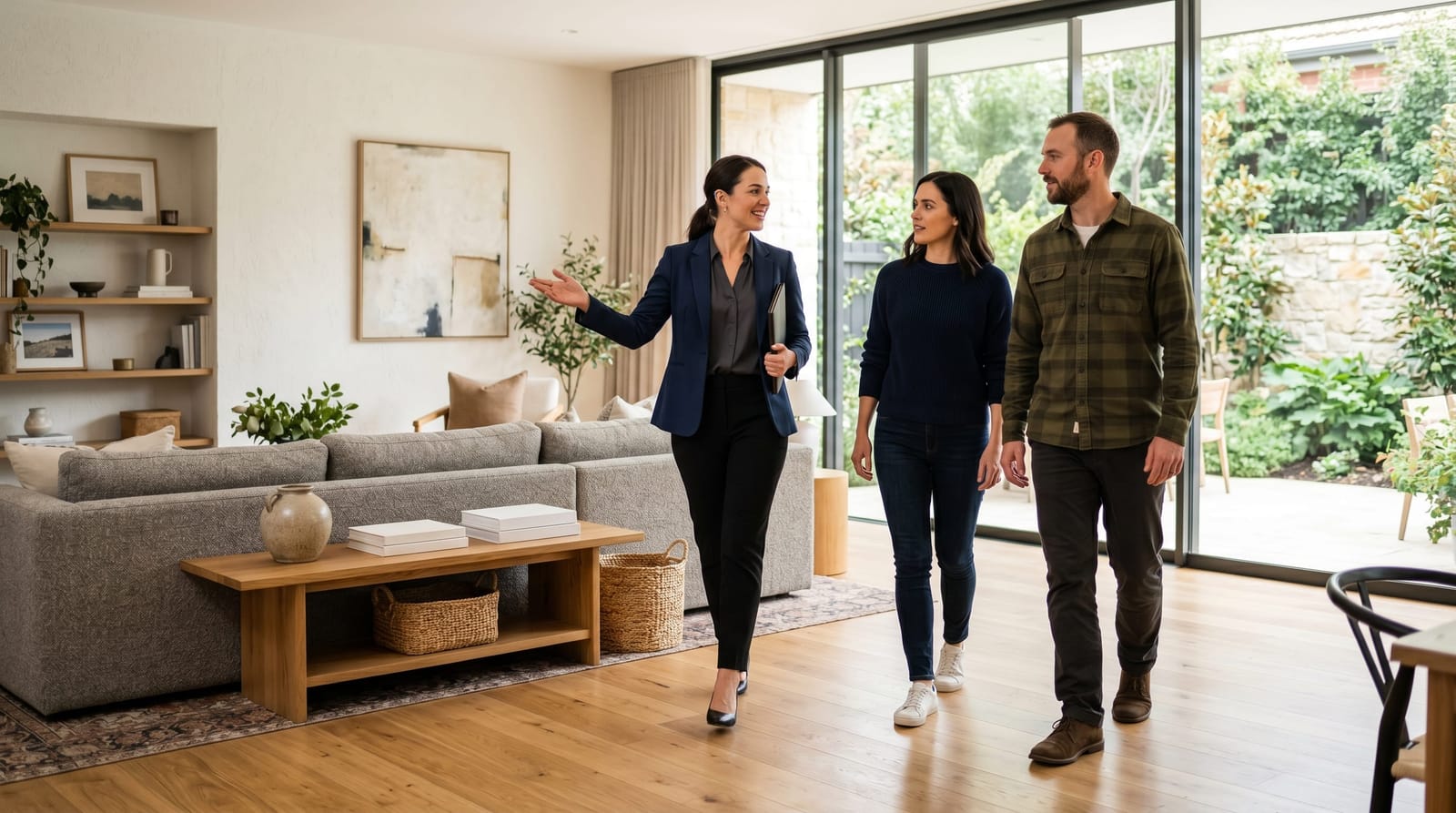
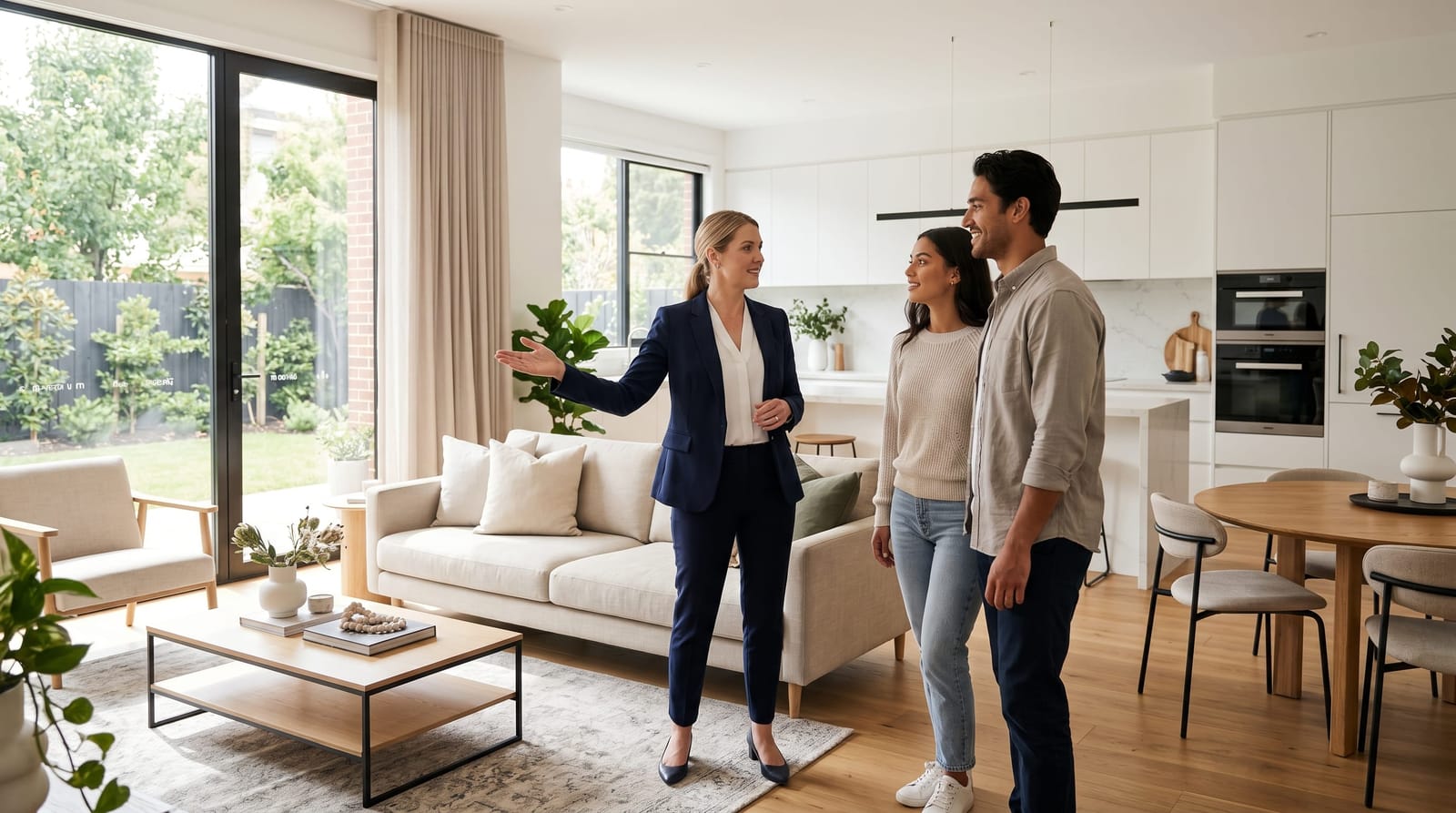
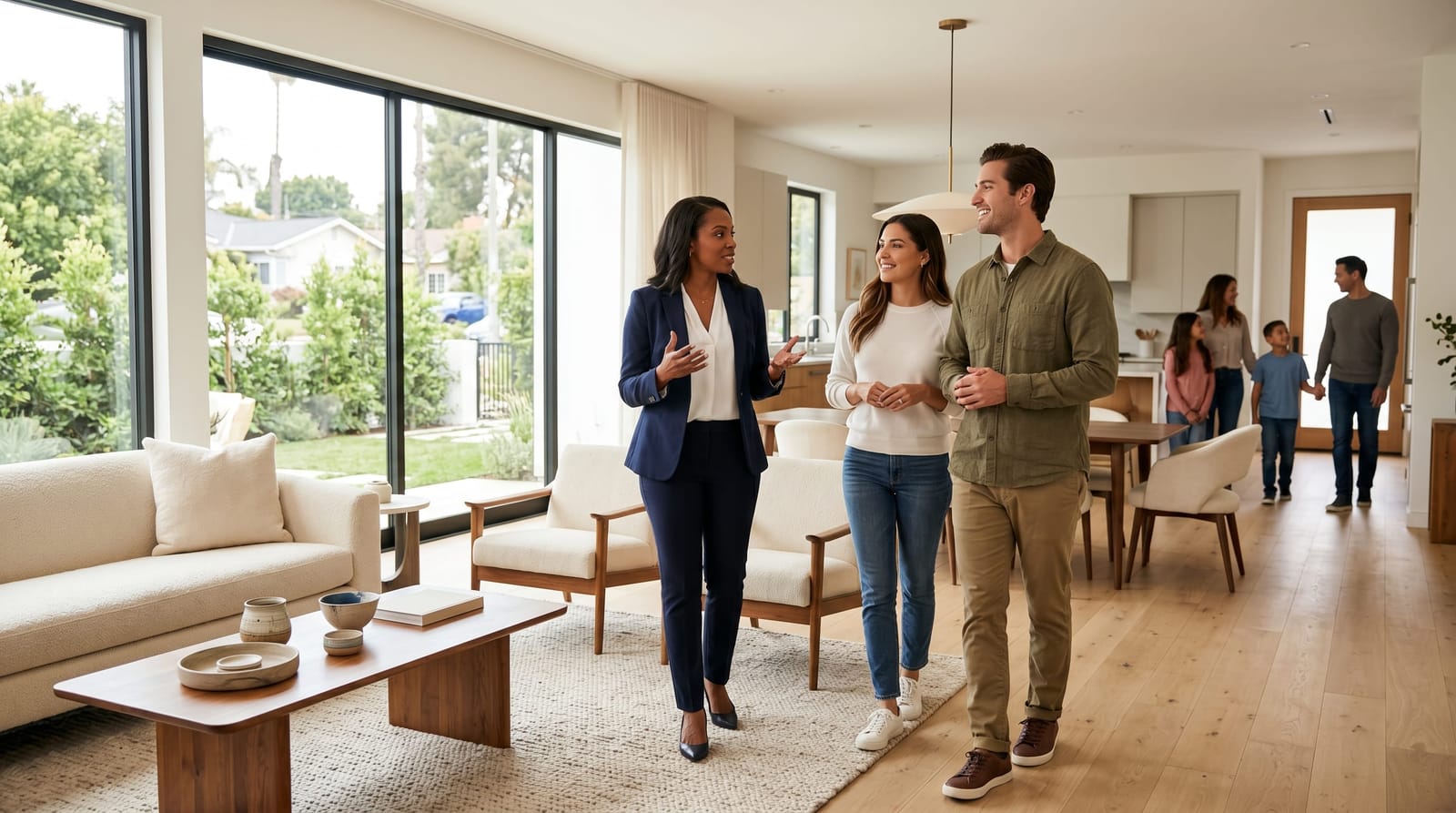
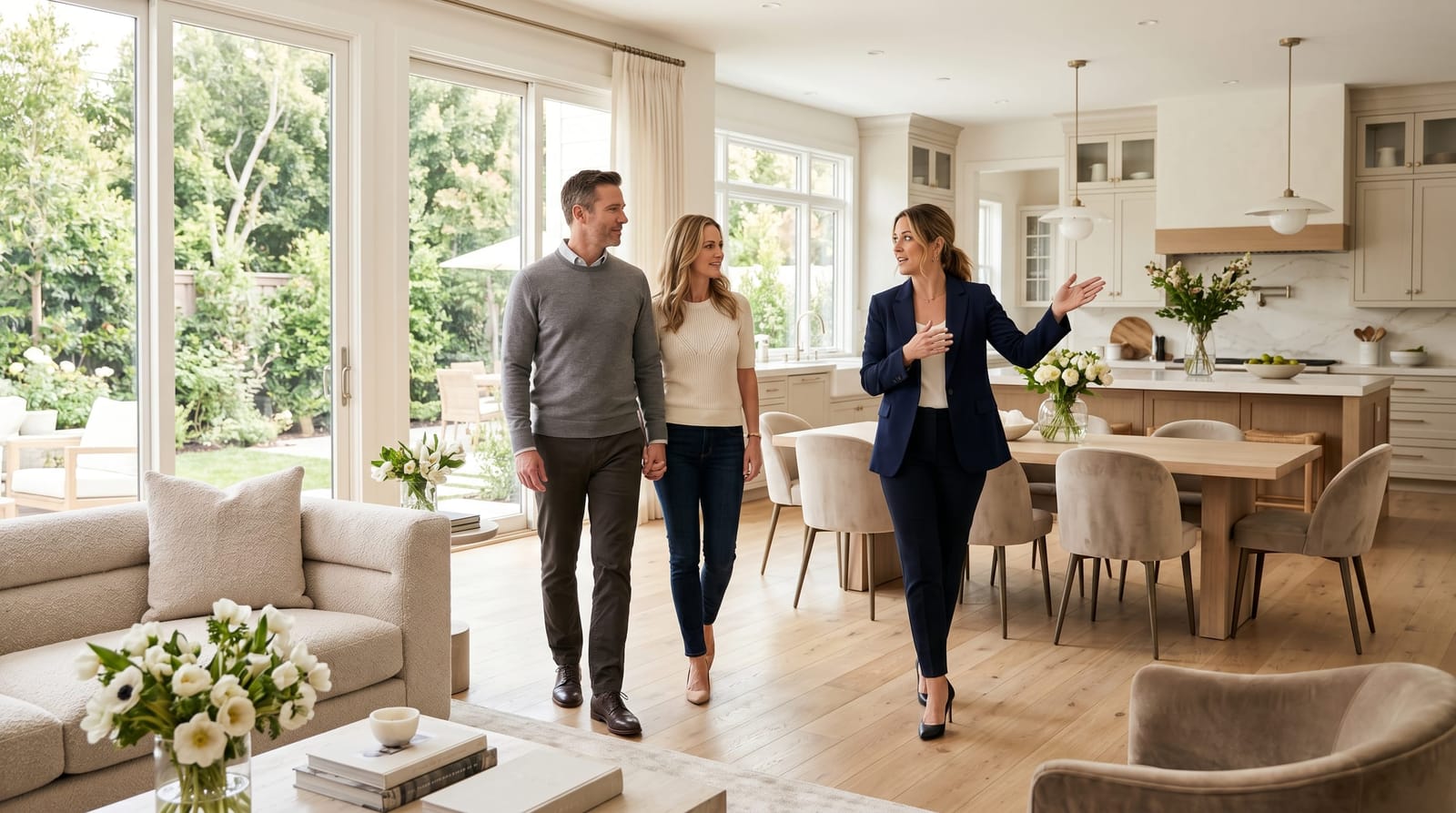
At a standard open house, visitors walk through on their own and leave with a brochure. At a luxury open house, the agent leads.
An agent-led guided tour does several important things. It controls the pacing of the visit. It highlights features buyers might overlook on their own. It allows the agent to read buyer reactions and answer questions in real time. And it creates a more personal, memorable experience.
How a Guided Tour Is Structured
The tour typically begins outside, with a brief overview of the neighborhood, the lot, and any outdoor features. From there, the agent moves through the home in a deliberate sequence — usually from the most impressive entry point to the most emotional spaces, like the primary suite and outdoor living areas.
Along the way, the agent shares relevant details:
- Recent upgrades and renovations with materials or brands noted
- Energy efficiency features or smart home integrations
- Unique architectural details that photos do not fully capture
- Neighborhood highlights, school information, and nearby amenities
This is not a sales pitch. It is a knowledgeable conversation. The best agents are comfortable letting the home do most of the talking — they just make sure buyers are listening to the right things.
Premium Hospitality: Small Details, Big Impressions
Luxury open houses often include thoughtful food and beverage offerings. This is not about extravagance. It is about extending the visit and creating a welcoming atmosphere that helps buyers relax and linger.
What Works Well
- Sparkling water, still water, and fresh-squeezed lemonade or juice
- A small selection of artisan cheeses, fruit, or local pastries
- Coffee or espresso for morning events
- Wine or champagne for late afternoon showings in appropriate markets
The goal is a relaxed, unhurried environment. Buyers who feel comfortable stay longer. Buyers who stay longer form stronger emotional connections. That emotional connection is often what turns an interested visitor into an offer.
Presentation matters here too. A simple, beautifully arranged spread on a kitchen island communicates that the home is cared for and that the seller takes pride in the property.
During the Event: What Sellers Should Know
One of the most common questions sellers ask is whether they should be present at their own open house. The short answer is no — and there are good reasons for that.
Buyers feel more comfortable exploring freely and speaking honestly when the homeowner is not present. Your agent can advocate for the property more effectively without managing the seller's emotions at the same time.
If you are curious about what happens during the event and what your role should be in preparation, our detailed guide on what sellers do during open house walks through exactly how to prepare and what to expect on the day.
Before you leave, make sure the home is in perfect condition. Dishes are put away. Closets are tidy — buyers will open them. Garages and storage spaces are organized. No pet items are visible. No valuables or personal documents are in plain sight.
Follow-Up: Where the Real Work Begins
The open house itself is only half the strategy. What happens in the 48 hours after the event often determines whether interest converts into an offer.
Immediate Follow-Up Actions
Every visitor should be contacted within 24 hours. A good agent will reach out personally — not with a generic email, but with a thoughtful message that acknowledges their attendance and opens a genuine conversation.
Key follow-up steps include:
- Personal calls or messages to high-interest attendees
- Providing any additional information that was requested during the tour
- Sharing professional photos or video if not already sent
- Noting any feedback about pricing, features, or concerns
Using Feedback to Refine Your Strategy
Open house feedback is genuinely valuable data. If multiple buyers raise the same concern — about pricing, a specific room, or a feature they expected to see — that information helps you make smarter decisions moving forward.
Understanding how to interpret and act on that feedback is something we cover in detail in our guide on open house feedback listing strategy. It is a step many sellers overlook, and it can make a meaningful difference in how the listing performs over time.
Related Topics Worth Exploring
If you are navigating the open house process from the buyer's side, our upcoming post on what buyers should look for when attending an open house offers practical guidance on evaluating a home during a showing. And if you are weighing your options as a seller, our post on private showings vs. open houses explores how each format serves different goals and markets.
Bringing It All Together
Hosting a successful luxury open house takes planning, professional presentation, and genuine follow-through. From building a pre-qualified buyer list to crafting a guided tour experience to following up with intention — every detail contributes to the outcome.
These luxury open house tips for sellers are not just theory. They reflect a real, consistent approach that happens every weekend to help homeowners attract the right buyers and move forward with confidence.
If you are preparing to list a high-end home and want to talk through what a well-executed open house strategy looks like for your property, reach out directly. A thoughtful conversation costs nothing, and the right approach can make a real difference.