The Complete Guide to Open Houses: What Sellers and Buyers Need to Know
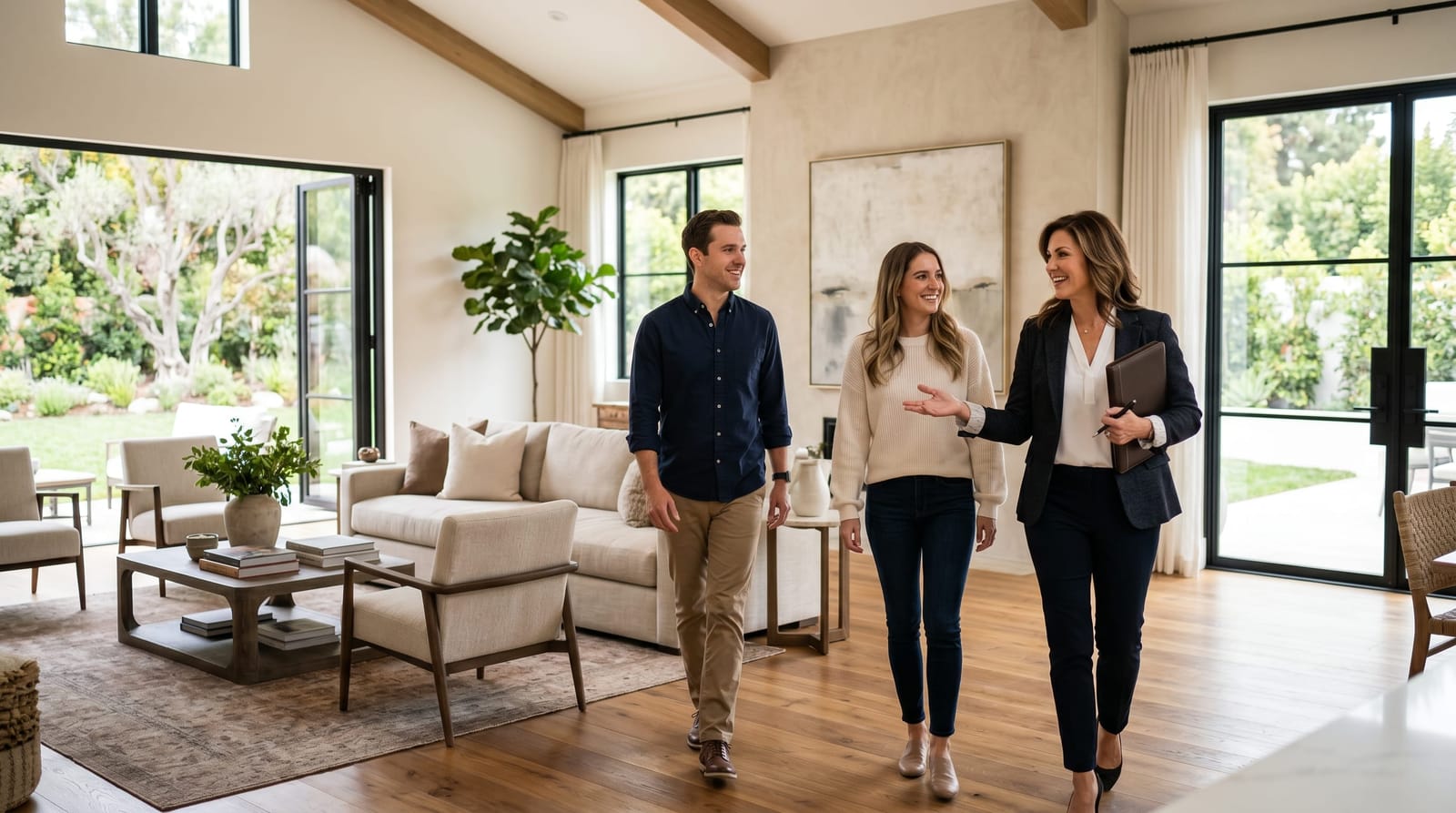
Picture this: it's a Saturday morning, the sun is out, and a family drives slowly through a neighborhood they've been researching for months. They spot a sign on the corner, pull over, and walk through the front door of a home they didn't know existed until five minutes ago. By the end of the afternoon, they're calling their lender. This is the quiet magic of a well-executed open house — and it happens more often than people think.
Whether you're preparing to list your home or you're a buyer trying to figure out where to start, understanding how open houses work can make a real difference in how confidently you approach the process. This open house guide for real estate buyers and sellers covers everything: what an open house actually is, how they're planned and marketed, what sellers need to do before the first visitor walks in, what buyers should expect and look for, and how skilled agents use the feedback they gather to sharpen their strategy.
We'll also explain why weekend open houses remain one of the most effective tools in a real estate agent's toolkit — especially in the luxury and move-up home market — and how having an agent who prioritizes weekend availability can meaningfully impact your results as a seller.
Let's start from the beginning.
---What Is an Open House in Real Estate?
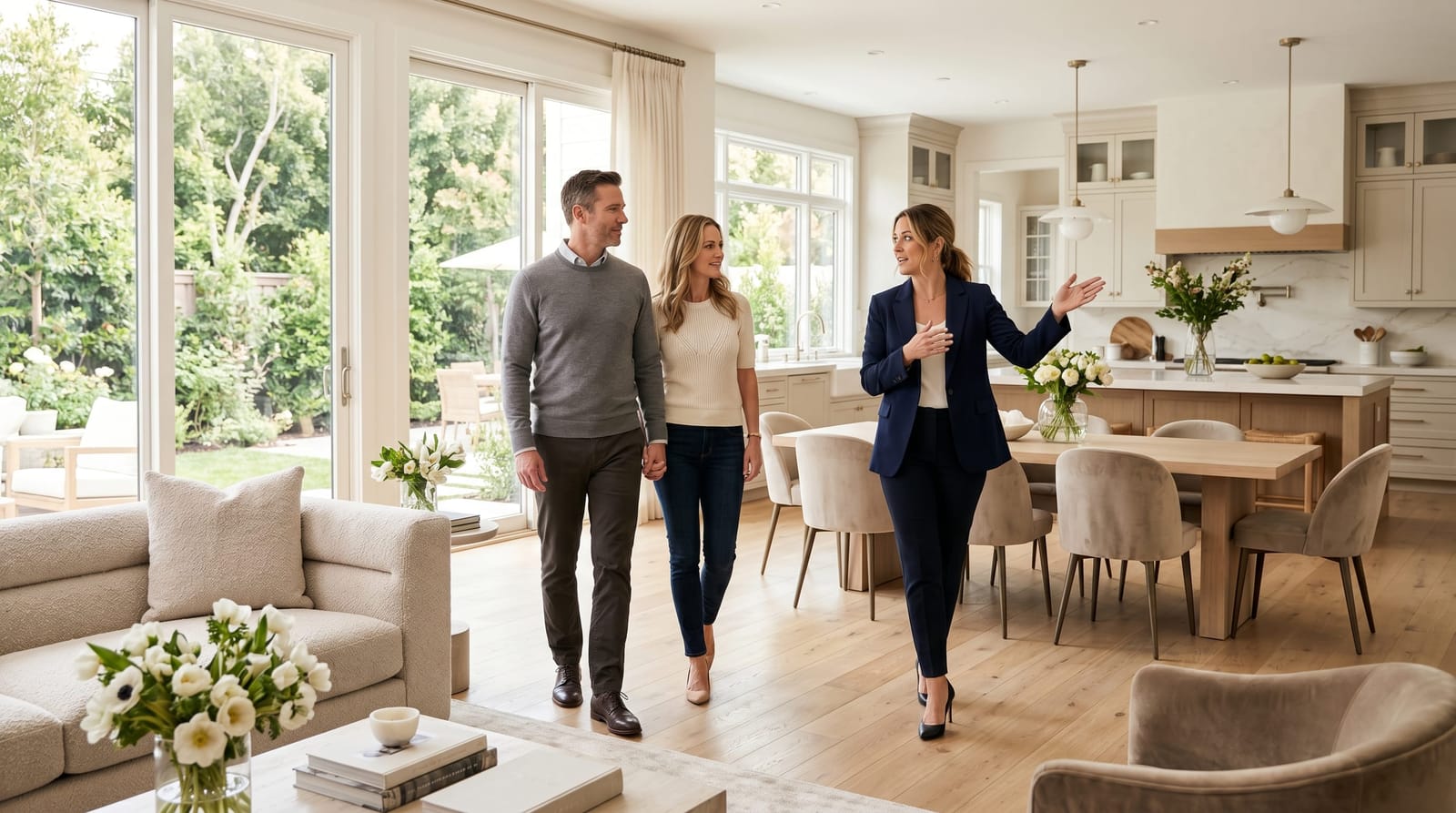
An open house is a scheduled, publicly accessible event where a listed property is available for viewing by potential buyers — no appointment required. During a set window of time, typically two to four hours on a weekend afternoon, the listing agent is present at the home to welcome visitors, answer questions, and gather feedback.
Open houses serve several purposes at once. For sellers, they create concentrated visibility and generate foot traffic from buyers who are actively looking. For buyers, they provide a low-pressure opportunity to explore a property at their own pace without feeling obligated to make a decision on the spot. For real estate agents, open houses are a chance to connect with the community, understand what buyers are responding to, and adjust marketing strategy based on real-time reactions.
According to the National Association of Realtors, approximately 41% of recent buyers used open houses as part of their home search process. That number may sound modest compared to online searches — which now account for the majority of initial property discovery — but it reflects something important: open houses convert passive interest into active consideration. A buyer who browses a listing online is curious. A buyer who walks through the front door is engaged.
There are two main types of open houses worth knowing about:
Public Open Houses
These are open to any member of the public and are typically held on Saturday or Sunday afternoons. They are advertised online through the MLS, real estate portals, social media, and physical signage in the neighborhood. Anyone interested in seeing the home can attend without scheduling in advance.
Broker Open Houses
These are invitation-only events held for real estate agents, typically on a weekday morning. The goal is to get other buyer's agents familiar with the property so they can recommend it to their own clients. A strong broker open house can significantly expand a listing's reach within the professional community.
---How Open Houses Are Planned and Marketed
A successful open house doesn't happen by accident. Behind every well-attended showing is a week or more of deliberate preparation and strategic marketing. This is an area where the quality of your listing agent matters enormously.
The planning process typically begins with timing. Weekend afternoons — particularly Sundays between 1:00 and 4:00 PM — tend to attract the highest foot traffic because most buyers have flexibility. However, the best agents also consider local events, competing listings, and seasonal patterns when scheduling. Listing during a weekend when three similar homes in the same neighborhood are also holding open houses dilutes attention; staggering or differentiating the event can make a meaningful difference.
Marketing channels for open houses now span both digital and physical touchpoints:
- MLS listing updates: The open house date and time are added to the Multiple Listing Service, which syndicates to Zillow, Realtor.com, Redfin, and dozens of other platforms automatically.
- Social media promotion: Instagram, Facebook, and neighborhood-focused platforms like Nextdoor can drive significant local awareness, especially when supported by professional photography and short video walkthroughs.
- Email campaigns: Agents with well-maintained buyer lists can directly notify people who have already expressed interest in a specific price range or area.
- Physical signage: Directional signs placed throughout the neighborhood on the day of the event guide walk-in traffic and capture buyers who may be driving around exploring.
- Agent-to-agent outreach: A proactive listing agent will personally reach out to buyer's agents in the area to encourage their clients to attend.
Research from the National Association of Realtors' 2023 Profile of Home Buyers and Sellers found that 47% of buyers said online tools were their first step in the home search — which means digital promotion of an open house isn't optional, it's foundational. But physical signage and neighborhood presence still drive a surprising share of unplanned walk-in attendance, particularly in established residential communities.
---How Sellers Should Prepare for an Open House
Preparing a home for an open house is about more than tidying up. It's about creating an environment where buyers can genuinely envision their own lives unfolding inside those walls. That shift in perspective — from "this is where we live" to "this is what buyers will experience" — is one of the most important mindset changes a seller can make.
Here's a practical breakdown of what strong open house preparation looks like:
Declutter and Depersonalize
Personal photos, excess furniture, and accumulated belongings make it harder for buyers to imagine the space as their own. Removing or storing these items opens up rooms visually and helps buyers focus on the home's features rather than the seller's life story. Studies have shown that professionally staged homes sell 73% faster than non-staged homes, according to the Real Estate Staging Association — a compelling reason to invest time and thought into presentation.
Deep Clean Every Surface
Buyers notice things that sellers have stopped seeing: a dusty ceiling fan, scuffed baseboards, a bathroom grout line that needs attention. A thorough professional cleaning in the days before an open house signals that the home has been well cared for — and that impression carries weight in how buyers evaluate the property overall.
Address Curb Appeal
First impressions begin at the curb. Freshly trimmed landscaping, a clean front walkway, and a welcoming front door set the tone before buyers step inside. In luxury real estate especially, exterior presentation can make or break a buyer's willingness to engage with a property seriously.
Create the Right Atmosphere
Temperature, lighting, and subtle scent all contribute to how comfortable buyers feel inside a home. Natural light should be maximized wherever possible — open blinds, turn on lamps in darker corners, and ensure every room feels bright and inviting. Avoid overpowering air fresheners; subtle and neutral is always safer.
Secure Valuables and Personal Information
Because open houses are accessible to anyone who walks through the door, sellers should secure jewelry, medications, small electronics, and any financial documents before the event. This is a standard precaution that every experienced listing agent will discuss with sellers in advance.
---What Buyers Experience During an Open House
For buyers — especially first-timers — the idea of attending an open house can feel a little intimidating. Will the agent pressure you? Do you have to give your information? Are you obligated to say something positive? The reality is much more relaxed than these concerns suggest.
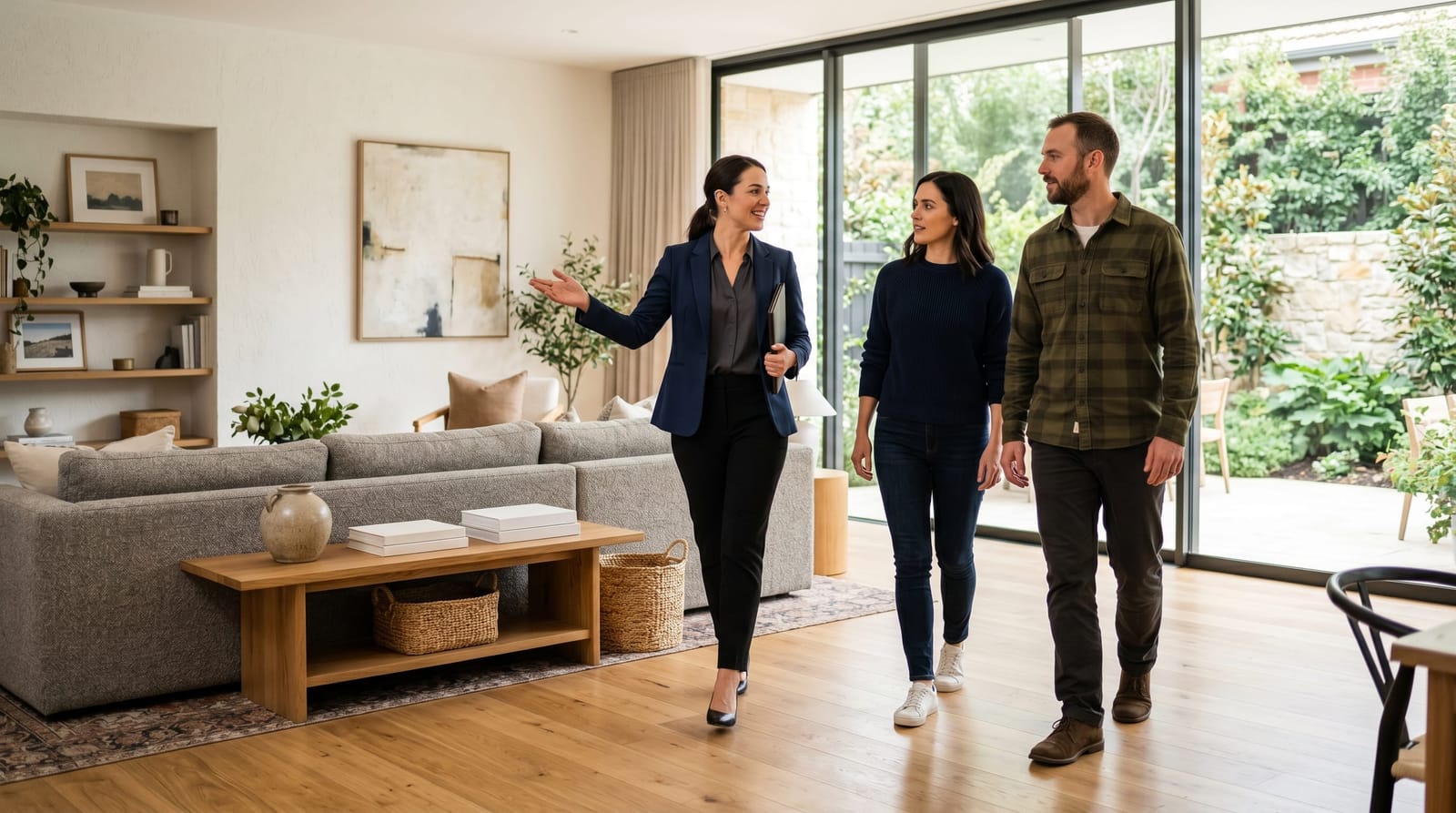
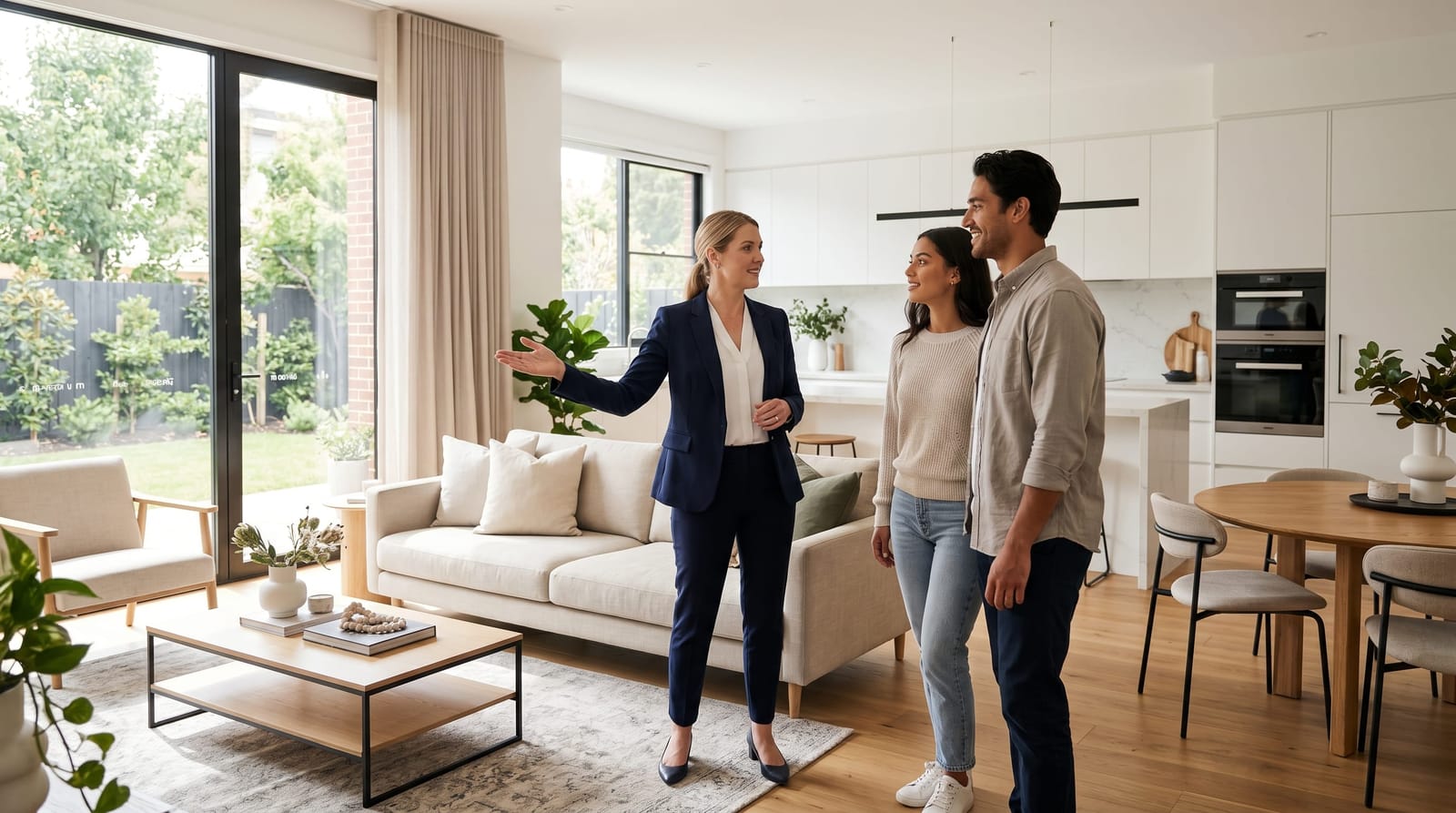
When you arrive at an open house, you'll typically be greeted by the listing agent (or a team member), asked to sign in with your name and contact information, and then given the freedom to explore the home at your own pace. You are not obligated to buy, commit to anything, or engage extensively if you'd prefer to simply walk through independently.
Open houses are genuinely useful for buyers for several reasons:
- Calibrating your preferences: Seeing multiple homes in person — even ones you're not seriously considering — sharpens your sense of what you actually want and what you're willing to compromise on.
- Understanding neighborhoods: Attending open houses in different areas gives you a feel for the community, the neighbors, the traffic patterns, and the character of a neighborhood that no online listing can fully convey.
- Asking real questions: Unlike a private showing, an open house gives you a chance to ask the listing agent candid questions about the property, recent updates, utility costs, and seller expectations — all in a lower-stakes environment.
- Moving quickly when the right home appears: Buyers who attend open houses regularly are better prepared to act decisively when a property clicks. They've already done the calibration work, so making an offer feels like a natural next step rather than a leap of faith.
If you're working with a buyer's agent, it's generally courteous to let the listing agent know — and your own agent may want to accompany you or set up a private showing instead, depending on your stage in the search process.
---How Agents Use Open House Feedback to Adjust Strategy
One of the most undervalued aspects of an open house is the data it generates. A skilled listing agent doesn't just show up, hand out flyers, and lock the door when it's over. They're actively listening, observing, and collecting information that can meaningfully shape what happens next.
Feedback from open house visitors typically falls into a few categories:
Pricing Signals
If a home is priced appropriately for its market, open houses tend to attract a healthy mix of curious neighbors and genuinely interested buyers. If visitors consistently express surprise — in either direction — about the asking price relative to what they see, that's valuable market intelligence. An agent who listens carefully to these reactions can provide sellers with an honest, evidence-based perspective on whether pricing adjustments make sense.
Presentation Feedback
Comments about layout, room size, condition, or specific features help sellers understand how their home is being perceived. If multiple visitors mention the same concern — a kitchen that feels small, a master bedroom that seems dark — that's actionable information that may be addressable with targeted staging or photography adjustments.
Buyer Motivation and Timeline
A good listing agent will engage visitors in genuine conversation to understand where they are in their search. Are they looking to move in 30 days or 6 months? Have they been pre-approved? Have they seen competing listings? Understanding the buyer pool's composition helps sellers set realistic expectations about how quickly offers are likely to materialize.
This feedback loop is one of the reasons working with an engaged, present listing agent — one who actually attends open houses personally rather than delegating to an assistant — makes a real difference in the outcome of a listing.
---Why Weekend Open Houses Still Matter in Luxury Real Estate
In an era of virtual tours, 3D walkthroughs, and instant online access to property information, some have wondered whether the traditional open house has become outdated. The data tells a different story — particularly in the luxury and move-up segments of the market.
Luxury buyers bring a different set of expectations to the home search. They want to feel a home, not just see it. The scale of a great room, the quality of natural light in a chef's kitchen, the view from a primary suite balcony — these are experiences that no digital format fully replicates. A well-executed open house in a luxury property creates an environment where buyers can linger, ask questions, and begin emotionally connecting with a home in a way that accelerates the path to an offer.
Weekend availability is also directly relevant here. The qualified buyers for move-up and luxury properties are often professionals with demanding weekday schedules. Making a home accessible on Saturday and Sunday afternoons — and doing so consistently, with the listing agent present and the home properly prepared — communicates respect for buyers' time and serious commitment to the sale.
According to NAR data, homes that were listed on a Friday and held an open house that first weekend received significantly more showings in week one than those that launched without a public event. In competitive markets, that initial momentum matters. The first ten days on market typically define a listing's trajectory.
Khaki Realtor's consistent weekend availability isn't just a scheduling preference — it's a deliberate service commitment to sellers. When your listing agent is reliably present and prepared for weekend showings, it's a professional signal to buyers and buyer's agents alike that this listing is being taken seriously.
---Open Houses as a Community Connection Tool
There's a dimension of open houses that often gets overlooked in purely transactional conversations: their role in building community awareness and genuine neighborhood engagement. Realtors who conduct open houses aren't just marketing a single property — they're participating in the fabric of the neighborhoods they serve.
Neighbors who attend an open house out of curiosity often turn out to be the best word-of-mouth marketers for a listing. They have friends and family looking for homes in exactly that area. They know the community better than any online listing description could convey. A listing agent who takes the time to welcome neighbors, share information about the local market, and have genuine conversations is building relationships that extend far beyond a single transaction.
This community-first approach to open houses reflects a philosophy about what real estate should feel like: less like a high-pressure sales event, and more like an invitation to imagine what life in this home and neighborhood might look like. When that spirit is present, buyers feel more comfortable, conversations go deeper, and the right connections happen more naturally.
---Deep Dive Topics: Explore Every Angle of the Open House Process
This guide is designed to give you a strong, comprehensive foundation — but every aspect of the open house process deserves a closer look. Below are four detailed guides that go deeper on the topics most relevant to sellers and buyers navigating open houses today.
- Hosting a Luxury Open House: If you're selling a higher-end property, the standards and strategy for a successful open house are different. Learn everything from staging to qualified buyer vetting in our guide on luxury open house tips sellers need to execute a premium event.
- What Buyers Should Look For: Walking through an open house with intention makes a real difference. Our detailed guide on what to look for at open house visits gives buyers a practical checklist and the right questions to ask.
- Marketing an Open House Effectively: Getting people through the door requires more than an MLS entry. Explore proven digital and local strategies in our guide on how to market open house events for maximum qualified attendance.
- Open Houses vs. Private Showings: Both serve a purpose, but which format is right for your listing — and when? We break down the tradeoffs in our comparison of private showing vs open house strategy.
Conclusion: Open Houses Work When They're Done Right
An open house is more than a weekend event — it's a strategic tool that, when planned and executed thoughtfully, creates visibility, generates buyer engagement, and provides real-time market feedback that can meaningfully shape a listing's outcome. For buyers, open houses offer a relaxed, informative way to explore properties, calibrate preferences, and take the first steps toward finding the right home.
The key on both sides of the transaction is preparation and partnership. Sellers who work with an agent invested in weekend availability and thorough preparation give their listings the best chance at strong early momentum. Buyers who approach open houses with curiosity and clear questions get far more value from every visit.
Whether you're thinking about listing your home, beginning a property search, or simply trying to understand how this process works, you don't have to figure it out alone. Khaki Realtor brings genuine weekend commitment, community knowledge, and personalized guidance to every open house — because how a home is presented and who shows up for it matters.
Ready to talk about your next steps? Reach out today to start the conversation about what a well-executed open house strategy could look like for your home or your search.