Private Showings vs. Open Houses: Which Sells Homes Faster?
When you're thinking through how to sell your home — or how to find the right one — you'll likely encounter two very different experiences: the open house and the private showing. Understanding how each one works, and when to use them, is one of the more important decisions in a successful real estate strategy. Our complete guide to open houses covers the full landscape, but this post digs into a question sellers and buyers both ask: does a private showing vs open house approach actually make a difference in how quickly a home sells? The short answer is yes — but the real answer is more nuanced. Both tools serve distinct purposes, and the smartest agents know how to use them together.
Understanding the Core Difference Between a Private Showing and an Open House
Before comparing results, it helps to understand what each experience actually looks like in practice.
An open house is a scheduled window of time — typically two to three hours on a Saturday or Sunday — when any interested buyer can walk through the home without a prior appointment. There's no screening, no commitment required, and the atmosphere tends to be casual and social. Buyers browse on their own timeline, chat with the listing agent, and often encounter other buyers doing the same thing. According to the National Association of Realtors, roughly 53% of buyers say they used open houses as part of their home search process, making them a broadly familiar part of real estate culture.
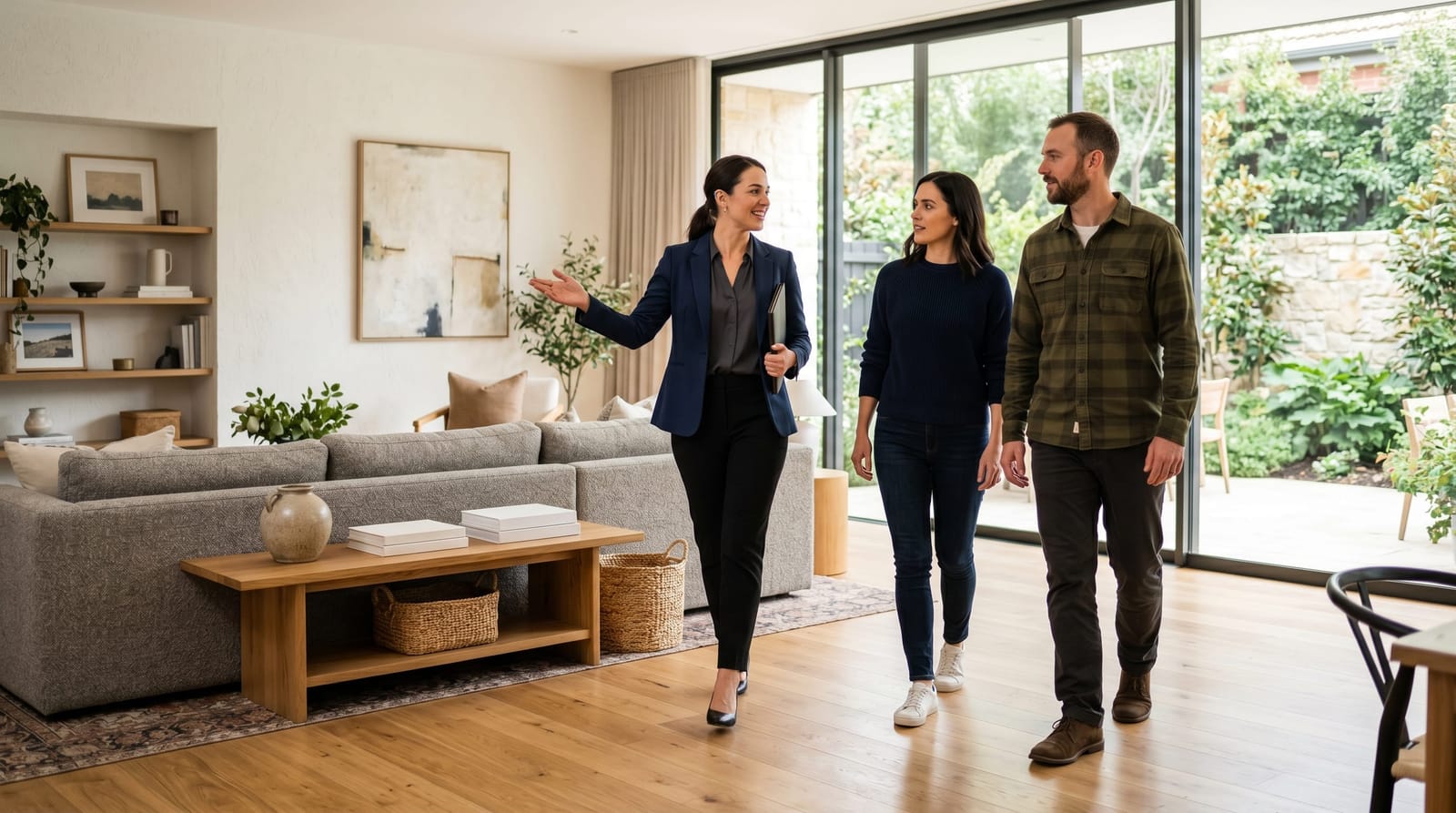
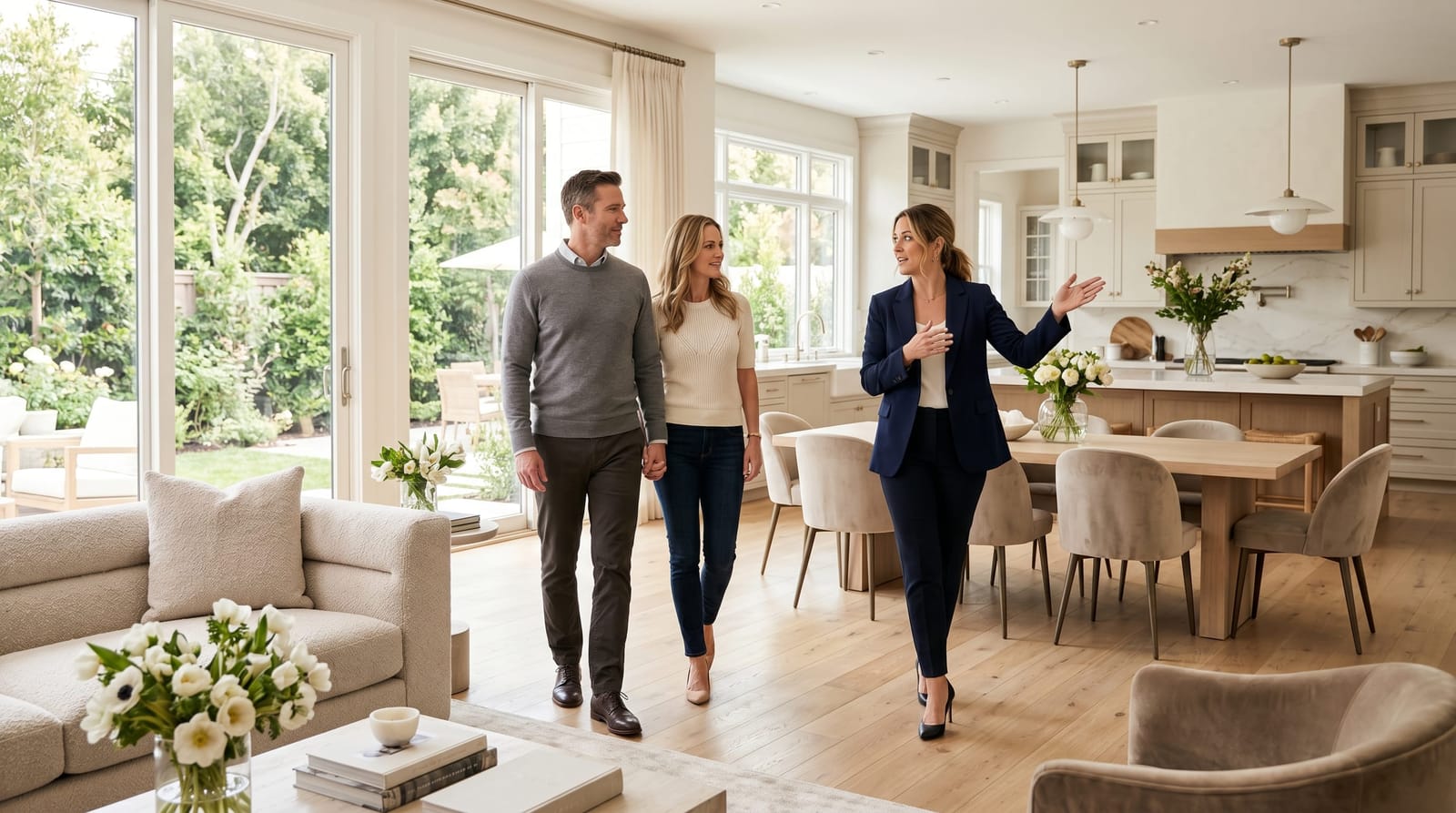
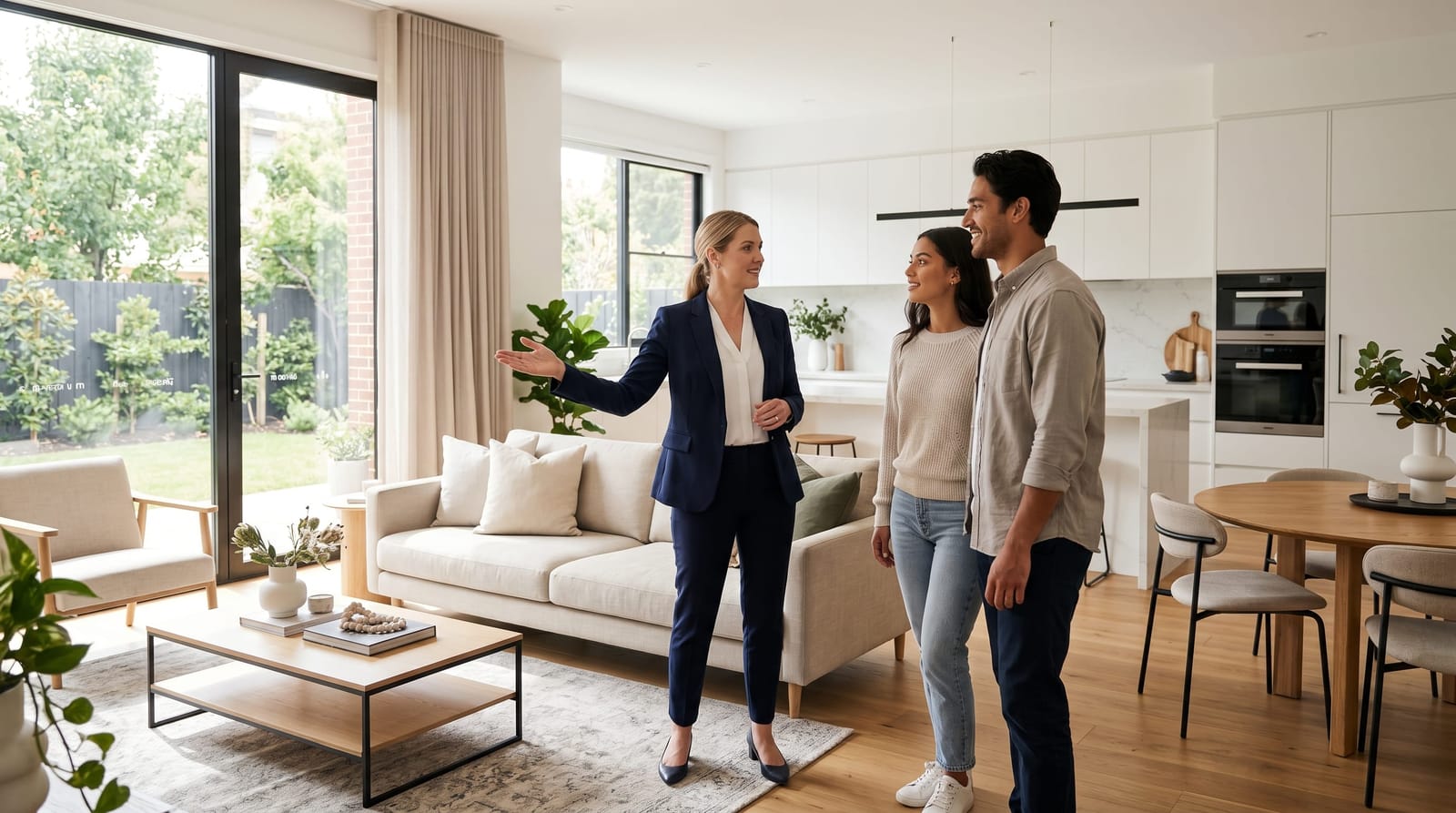
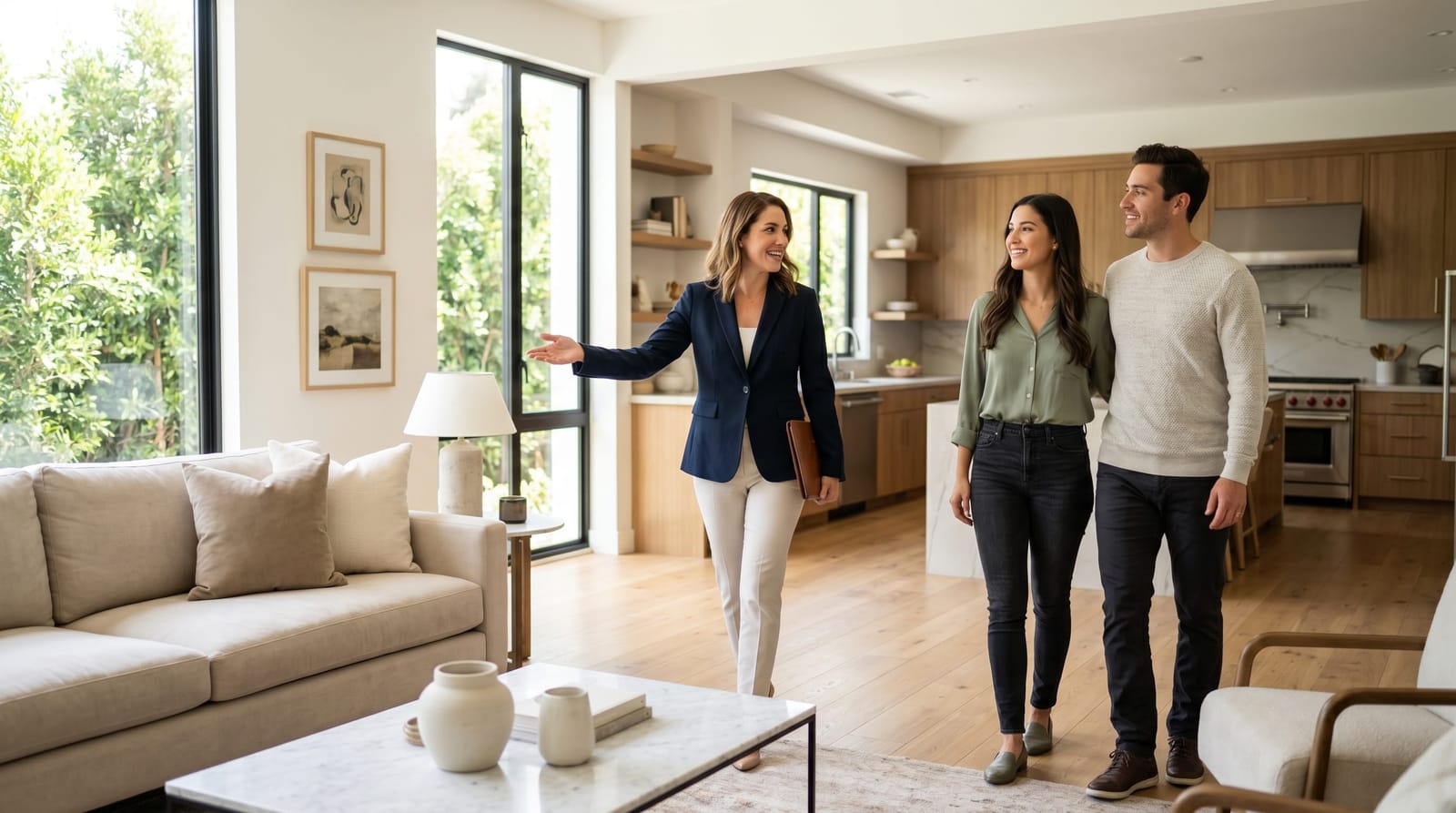
A private showing, on the other hand, is a scheduled one-on-one appointment where a buyer tours the home with their own agent. There are no other visitors, no time pressure from a crowd, and the conversation can go deep — covering everything from the age of the roof to the quirks of the neighborhood. It's a focused, unhurried experience that tends to attract buyers who are further along in the decision-making process.
Neither format is inherently better. They attract different kinds of attention at different stages of buyer readiness — and that distinction matters a great deal when thinking about offers and timelines.
How Open Houses Create Competitive Energy That Drives Offers
One of the most underappreciated advantages of an open house is what happens psychologically when buyers see other buyers. When someone walks into a home and finds four other couples already touring it, something shifts. Suddenly, the decision to wait and think it over feels riskier. This is the competitive urgency that a well-attended open house can generate organically.
Research from Zillow suggests that homes listed on a Thursday and opened over the weekend can sell for more money than those listed at other points in the week — in some markets, the difference has been measured at over $1,700 on average. That's not a massive number, but it illustrates how timing and exposure concentration can influence outcomes.
The Psychology of Scarcity in a Group Setting
Buyers who might otherwise feel comfortable taking two weeks to decide can find themselves submitting an offer by Sunday evening after seeing other interested parties at an open house. The sense that "someone else might take this" is a real motivator, and open houses create that atmosphere naturally — without any pressure tactics from an agent. It's simply the result of bringing multiple qualified buyers into the same space at the same time.
This dynamic is especially effective in active markets where inventory is limited. When buyers know there are fewer homes available in their price range, a busy open house reinforces just how competitive their situation is. If you're a seller wondering how to market an open house to maximize that kind of attendance, the strategy behind the event matters just as much as the event itself.
Why Private Showings Attract More Serious Buyers
Open houses bring volume. Private showings bring depth. And depth, in real estate, often translates into stronger, cleaner offers.
A buyer who calls their agent to schedule a private showing has already done meaningful research. They've looked at photos, reviewed the price, considered the neighborhood, and decided this home is worth their time. That's a very different level of commitment than someone who happened to see an open house sign while running errands on a Sunday afternoon.
What Buyers Can Do in a Private Showing That They Can't in an Open House
Private showings give buyers permission to slow down. They can open closets without feeling like they're in someone's way, test the water pressure, linger in the backyard, and have an honest conversation with their agent about concerns. Studies suggest that buyers who tour a home privately spend an average of 30 to 45 minutes on-site, compared to roughly 15 to 20 minutes during a typical open house visit. More time on-site often correlates with higher emotional investment — and higher emotional investment correlates with offers.
For sellers, this means that private showings are where serious negotiations are born. An agent who walks a buyer through a home one-on-one can address objections in real time, highlight features the buyer might have overlooked, and get a read on how strong the interest actually is. If you want to understand what buyers are noticing during that kind of walkthrough, it's worth reviewing what to look for at an open house — many of the same principles apply to private showings.
Special Considerations for Luxury and Privacy-Conscious Sellers
For sellers in the higher price ranges — or for anyone who values privacy and security in the showing process — the private showing vs open house question takes on a different dimension entirely.
Opening a luxury home to any and all visitors during a public open house carries real considerations: personal belongings, high-value artwork or jewelry, and sensitive information about the home's security systems can all be inadvertently exposed. For this reason, many sellers of premium properties prefer a more controlled showing strategy, particularly in the early stages of a listing.
A Hybrid Approach for High-Value Properties
A thoughtful agent might recommend limiting early showings to pre-qualified buyers by appointment, then hosting a curated open house event — sometimes called a broker's open or a private preview — for vetted guests only. This approach protects the seller's privacy while still building the competitive energy that drives strong offers. It also positions the home more intentionally in the market, which can be important when you're targeting a specific buyer profile.
For sellers navigating this type of strategy, detailed planning makes all the difference. Our post on luxury open house tips for sellers walks through what a well-executed premium showing experience looks like from start to finish.
How a Smart Agent Uses Both Strategies in Combination
The most effective selling strategies don't choose between open houses and private showings — they sequence them intentionally.
A common approach in active markets involves launching a listing mid-week, scheduling private showings for pre-qualified buyers who inquire immediately, and then holding a public open house over the first weekend to create broad exposure and reinforce competitive interest. This sequence means that by the time Sunday afternoon rolls around, some buyers who toured privately earlier in the week are already mentally preparing offers — and seeing a busy open house can be the final nudge they needed.
Timing Matters More Than Most Sellers Realize
The day and time of a showing — whether private or public — also influences buyer behavior. If you're curious about how weekend scheduling specifically affects buyer turnout and offer quality, the post on weekend open house vs weekday showings explores exactly that question with useful data for sellers trying to optimize their schedule.
What matters most is having an agent who understands your specific home, your timeline, your market, and your comfort level — and who can build a showing strategy that reflects all of those factors. A one-size-fits-all approach rarely produces the best outcomes for sellers, and it rarely serves buyers well either.
Which Format Actually Sells Homes Faster? Here's the Real Answer
When you look at the data, open houses alone don't sell homes — but they play a meaningful supporting role. The National Association of Realtors has consistently found that only a small percentage of buyers, typically around 4% to 7%, cite open houses as how they first found the home they ultimately purchased. But that statistic can be misleading. Open houses often generate private showings, spark follow-up inquiries, and create the competitive conditions that motivate buyers who already know about the home to act faster.
Private showings, meanwhile, are where the majority of purchase decisions are made. The one-on-one dynamic, the focused attention, the unhurried conversation — these conditions are far more likely to produce a signed offer than a busy Saturday afternoon walkthrough.
So which one sells homes faster? The truthful answer: a well-executed combination of both, timed thoughtfully and managed by an agent who understands buyer behavior, almost always outperforms either strategy used in isolation. Homes that leverage both tools tend to spend fewer days on market and generate more competitive offer conditions — which is ultimately what every seller is hoping for.
Conclusion
Whether you're preparing to list your home or actively searching for one, understanding the difference between private showings and open houses helps you make smarter decisions at every step. Open houses create visibility and competitive energy. Private showings create depth and commitment. Used together with intention and good timing, they form the backbone of a showing strategy that works — for sellers who want strong offers and buyers who want a fair chance to find the right home.
If you're thinking about your own buying or selling strategy and want to talk through what approach makes the most sense for your situation, reach out to Khaki directly. This is exactly the kind of conversation that makes a real difference in outcomes.