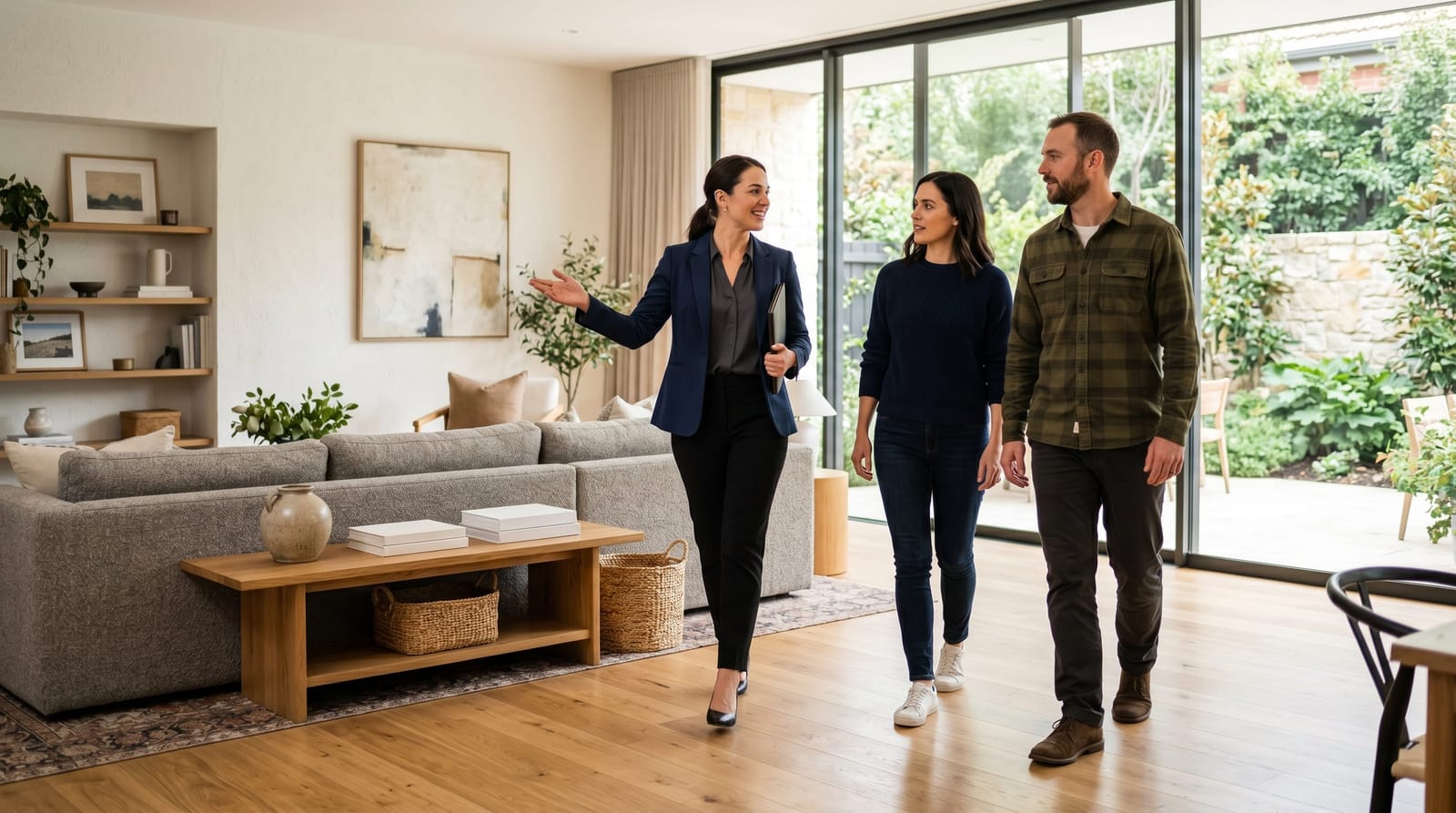
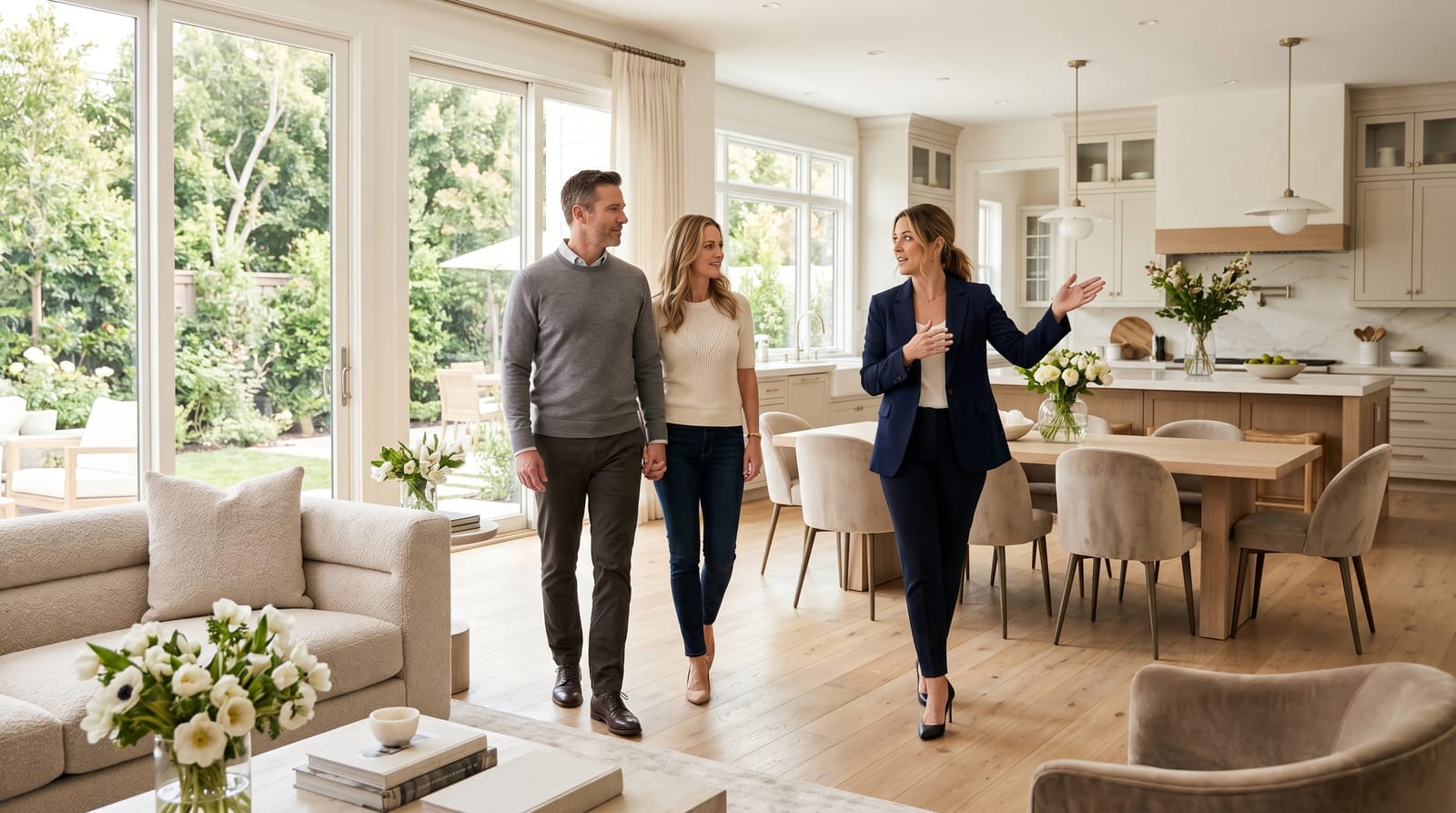
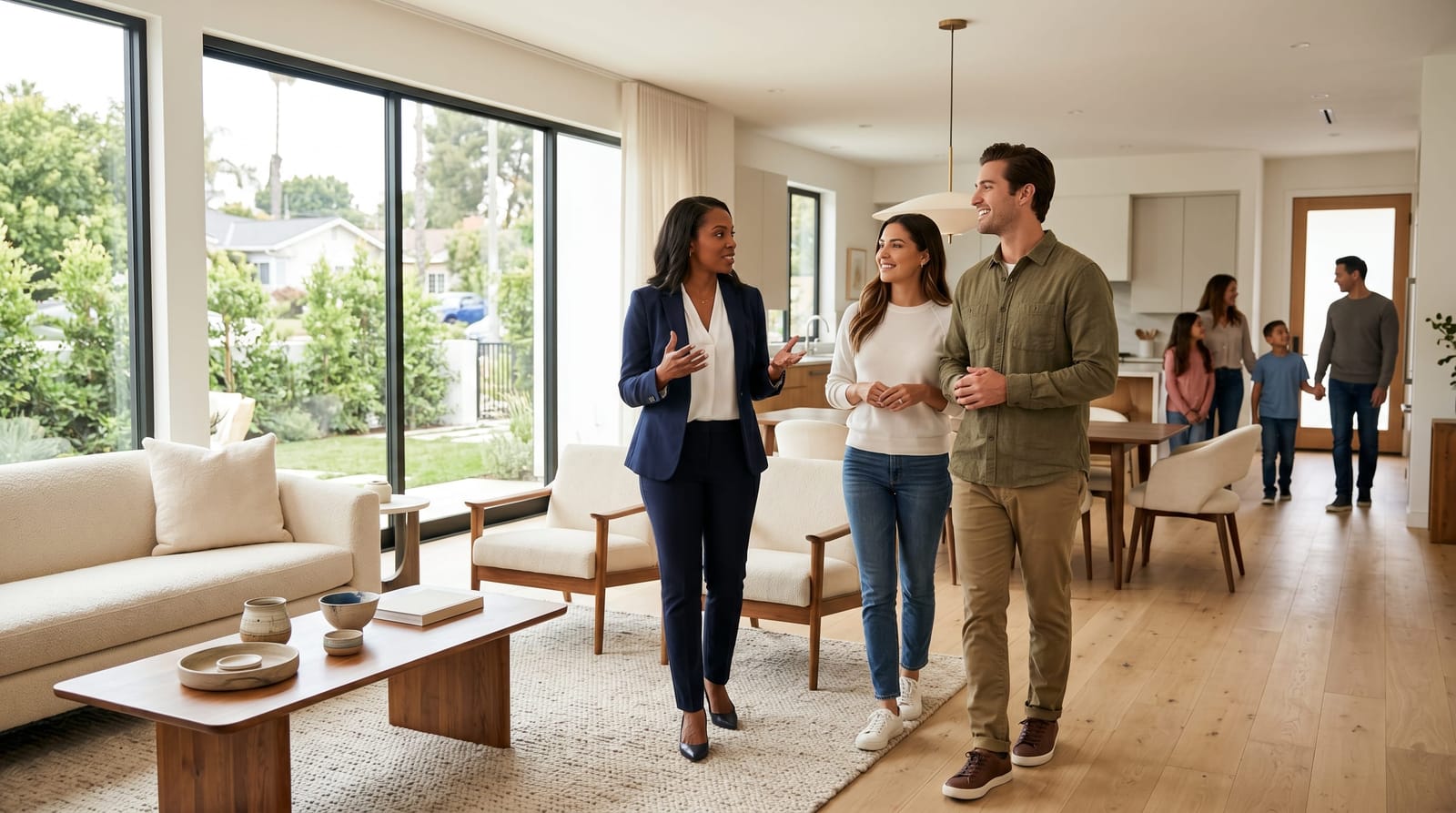
How Should Buyers Behave at an Open House?
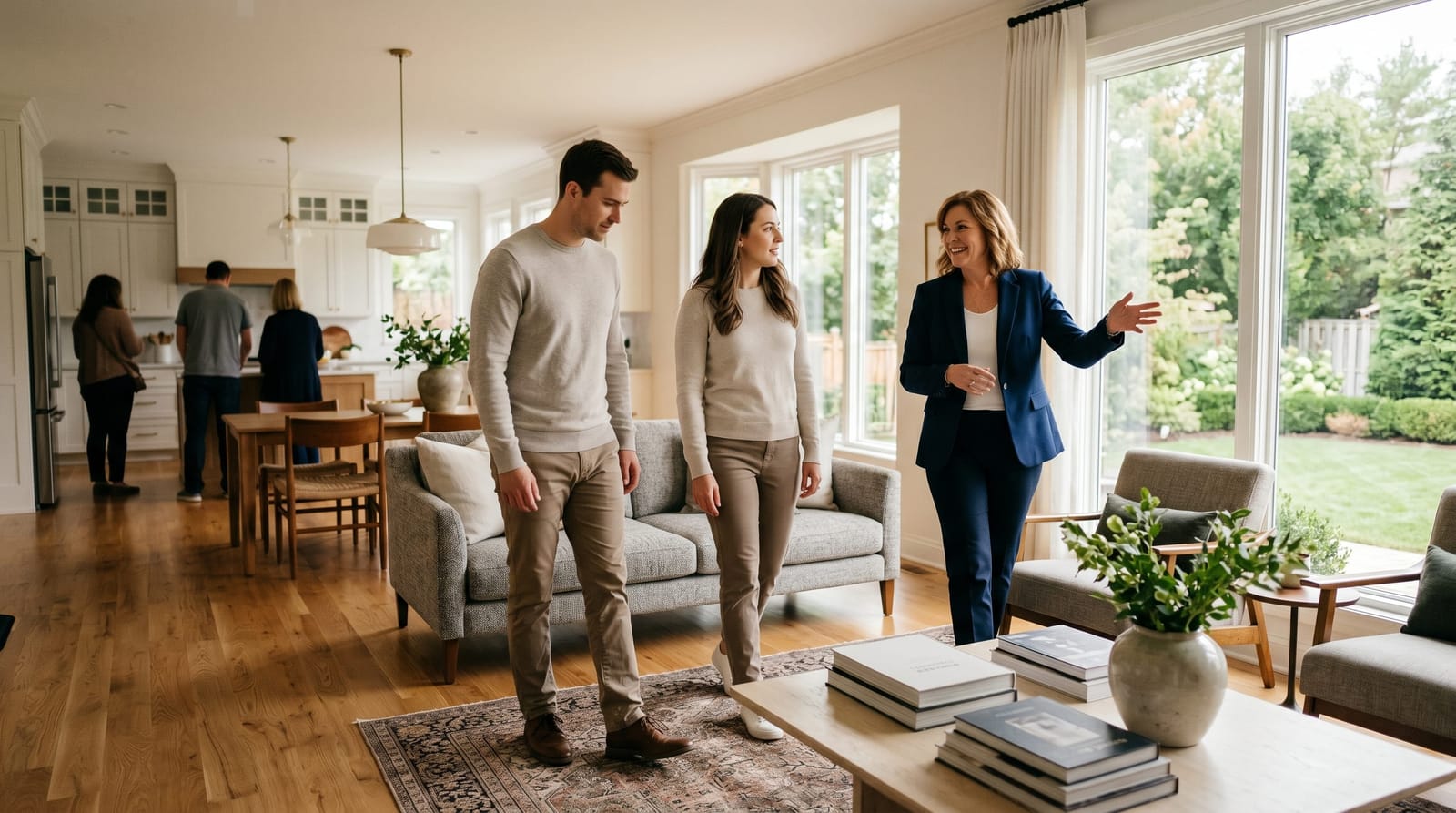
Attending an open house feels casual — you walk in, look around, maybe grab a brochure. But open house etiquette for buyers matters more than most people realize. How you present yourself, what you say, and how you treat the property all affect your experience and, in competitive markets, potentially your offer's reception. This post covers exactly what to do (and avoid) from the moment you walk through the door to the moment you leave.
Before You Arrive: The Preparation That Sets You Apart
Good open house etiquette for buyers actually starts before you set foot in the home. A little preparation signals to everyone involved — listing agents, sellers who may be nearby — that you're a serious, respectful visitor.
- Register in advance if required. Many agents now use digital sign-in systems. Providing accurate contact details shows professionalism and helps the agent follow up appropriately.
- Dress neatly. You don't need a suit, but avoid muddy boots or overly casual attire. First impressions carry weight, especially in higher-end listings.
- Leave pets at home. Even well-behaved animals can cause stress for sellers, damage property, or create liability issues. More than 60% of home sellers report anxiety about strangers in their home — adding a dog to the mix rarely helps.
- Bring your pre-approval letter (or know where to access it). If a home impresses you, markets move fast. In competitive areas, buyers sometimes submit offers within hours of an open house.
- Arrive during listed hours. Showing up 10 minutes early and wandering while the agent is still setting up, or arriving at the last minute and lingering past closing time, both create friction.
Being prepared respects everyone's time — the agent's, the seller's, and your own.
Signing In and Introducing Yourself
Almost every open house will have a sign-in sheet or tablet near the entrance. Signing in isn't optional — it's standard open house etiquette for buyers and is used for security, follow-up communication, and verifying who toured the home.
When you sign in, introduce yourself briefly. Let the agent know if you're working with your own buyer's agent. This is important: agents are legally and ethically required to understand your representation status. Approximately 87% of buyers work with a real estate agent according to the National Association of Realtors — so most listing agents expect this conversation and won't be bothered by it.
If you don't have a buyer's agent yet, this introduction is also your first interaction with a professional who can answer questions. Be polite and direct. You don't need to over-explain your situation, but honesty about where you are in the process goes a long way.
While You're Touring: Respecting the Home and the Seller
This is where open house etiquette for buyers becomes most visible. You're walking through someone's home — often while they're emotionally attached to it — and how you behave reflects on your character as a potential buyer.
The 5 Core Rules for Touring a Home
- Ask before opening closed doors. Closed doors are often closed for a reason — a private space, a pet room, or simply the seller's preference. Always check with the agent before opening anything that isn't clearly presented as part of the tour.
- Never open drawers, cabinets, or storage spaces unsolicited. Kitchen cabinets for storage assessment? Acceptable with permission. A bedroom dresser? Never. The rule of thumb: if it stores personal belongings, leave it alone.
- Ask permission before photographing. Taking photos or video inside a home is a surprisingly common point of friction. Always ask the listing agent first. Some sellers are uncomfortable with images of their personal space being shared online, and in certain situations there are security concerns. Most agents will say yes — but asking is non-negotiable etiquette.
- No food or drinks inside. Carry your coffee in from the parking lot and you risk staining a carpet or hardwood floor that you don't own yet. Leave food and drinks in your car.
- Watch your children closely. Kids touching artwork, running in hallways, or opening refrigerators creates stress for sellers and agents alike. If you're bringing young children, keep them close and engaged.
These aren't just courtesy gestures — they protect you from liability if something is damaged and leave the seller with a positive impression of your visit.
How to Interact With the Listing Agent
The listing agent works for the seller, not for you. Understanding this changes how you should interact with them during your tour. They are professionally obligated to represent the seller's best interests, which means anything you share with them — including how much you love the home or what you can afford — may be relayed to the seller.
This doesn't mean you should be cold or evasive. It means you should be thoughtful. Ask questions about the property, the neighborhood, the listing history, and any recent updates. Knowing what questions to ask at an open house can dramatically improve the quality of information you gather during your visit — and help you make a more informed decision afterward.
What you should avoid telling the listing agent:
- Your maximum budget
- How urgently you need to move
- That this is your absolute dream home
- What you plan to offer
- Any personal circumstances driving your timeline
Keep your emotional reactions neutral in conversation, even if internally you're already mentally rearranging furniture.
Should You Reveal Your Interest Level?
One of the most common questions about open house etiquette for buyers is how much enthusiasm to show. The short answer: show interest, but don't show your hand.
Engaging warmly with the agent and asking detailed questions signals that you're serious — which can actually work in your favor when it comes to the agent taking your future offer seriously. But declaring "we have to have this house" gives the seller's side negotiating leverage they don't need to have.
Studies on negotiation consistently show that revealing strong preference reduces your bargaining position. In real estate, where the average U.S. home purchase price exceeded $400,000 in recent years, even a 1–2% negotiating advantage represents thousands of dollars. Practicing a neutral, curious demeanor during the showing protects your position without requiring you to be dishonest.
After the open house, debrief with your buyer's agent privately. That's the right venue for discussing your actual interest level, potential offer strategy, and next steps.
Frequently Asked Questions About Open House Etiquette for Buyers
Is it rude to attend an open house just to look, even if you're not ready to buy?
Not at all. Many buyers attend open houses to get a feel for a neighborhood or price range without being fully ready to purchase. Just be honest if the agent asks about your timeline — don't imply you're further along in the process than you are.
Do I need to sign in at every open house I attend?
Yes. Signing in is standard practice and a reasonable request from the listing agent and seller. Refusing to sign in is a red flag that may result in being asked to leave the showing.
Can I bring my buyer's agent to an open house?
Absolutely. Having your buyer's agent present is perfectly appropriate. In fact, many buyer's agents prefer to accompany their clients so they can ask more targeted questions and observe the home alongside you. Just notify the listing agent at sign-in that you're represented.
What should I do if I notice something wrong with the home during the open house?
You can ask the agent about it directly — questions about visible cracks, water stains, or recent repairs are fair game. Avoid pointing out problems loudly or in a way that might alarm other visitors. If you're seriously interested, a home inspection will reveal everything in detail.
The Takeaway: Etiquette Isn't Just Politeness — It's Strategy
Open house etiquette for buyers is about more than good manners. It's about protecting your negotiating position, building rapport with the agent, and demonstrating that you'd be a respectful steward of the home. Sign in honestly, ask before photographing, stay neutral about your interest level, and treat the property as if the seller is watching — because sometimes they are. For a deeper understanding of how open houses work from both sides of the transaction, the complete guide to open houses covers everything sellers and buyers need to know.