Does a Swimming Pool Add Value to a Home?
It's one of the most searched questions in real estate: does a swimming pool actually add value to a home, or does it just add headaches? The honest answer is — it depends. Pool value impact is one of the most context-sensitive topics in home pricing, and the data tells a more nuanced story than a simple yes or no. Whether you're a seller weighing a pre-listing renovation or a buyer trying to understand what you're paying for, understanding how pools affect home value is a meaningful piece of your overall pricing picture.
What the Data Actually Says About Pool Value
Research consistently shows that a swimming pool adds somewhere between 1% and 7% to a home's resale value on average — but that wide range signals how much the outcome varies by circumstance. Some analyses put the figure closer to 5% to 8% under favorable conditions, and in specific luxury markets, the value lift can reach 20% or more.
The critical word in all of this is average. A pool in Phoenix, Arizona, where summer temperatures routinely exceed 110°F, carries a very different market signal than the same pool in Minneapolis, Minnesota, where it's usable perhaps three months of the year. Averages blend those very different realities into a single number that doesn't serve either market well.
Pool type also plays a significant role. An in-ground gunite or fiberglass pool in excellent condition with modern features — LED lighting, automated cleaning systems, a heat pump — will be valued very differently than a dated above-ground pool with aging infrastructure. Buyers can see and feel the difference, and appraisers account for it. Condition and upkeep aren't cosmetic details; they directly affect whether a pool is perceived as an asset or a liability.
Why Climate and Geography Are the Deciding Factors
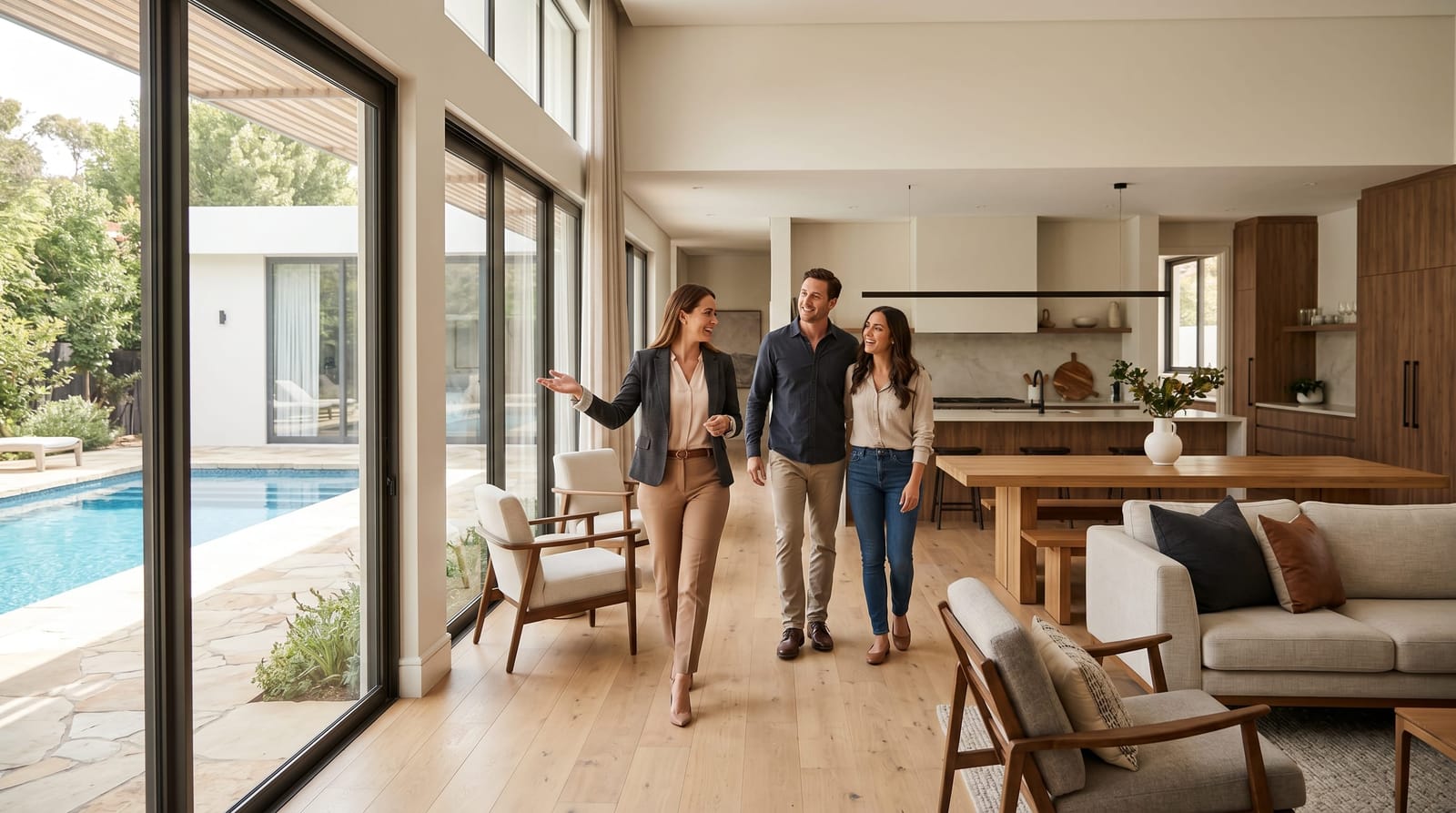
Climate is the single most important variable when evaluating pool value. In Sun Belt states — Florida, California, Arizona, Texas, and the broader Southeast — pools are part of the expected outdoor lifestyle. In many neighborhoods, a home without a pool can actually feel incomplete to buyers who have grown accustomed to seeing them as standard. When a pool is expected, it functions less as a differentiator and more as a requirement for competitive pricing.
In contrast, in cooler northern climates, a pool is a seasonal amenity at best and a costly maintenance obligation at worst. Buyers in those markets often calculate the ongoing expenses — winterization, chemicals, cleaning services, insurance premium increases — and discount their offer accordingly. In those regions, a pool can actually narrow your buyer pool rather than expand it.
Regional buyer psychology matters too. In markets like Miami or Scottsdale, outdoor living is culturally central, and a beautifully landscaped pool area is a primary selling feature. In a market like Chicago or Seattle, that same feature may generate far less enthusiasm. When evaluating your specific home, start with your climate and your neighborhood's norms before making any assumptions about the value a pool adds.
How Luxury Markets Change the Equation
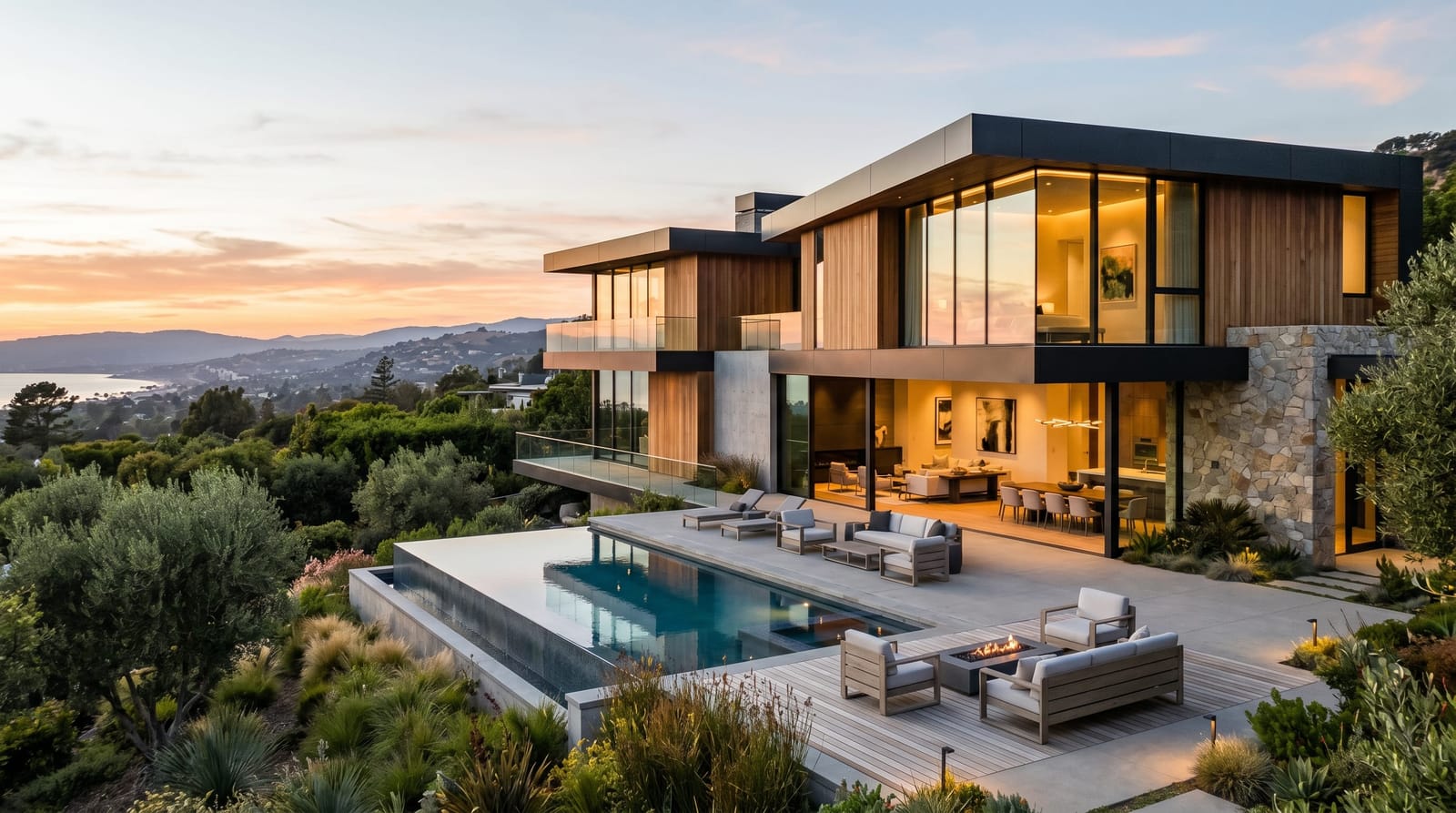
Luxury real estate operates by different rules, and swimming pools are a prime example. In high-end neighborhoods — particularly those where properties are priced above the $1 million threshold — a pool often shifts from being a nice-to-have to being a non-negotiable expectation. Luxury buyers aren't just purchasing square footage; they're purchasing a lifestyle, and an outdoor pool, spa, and entertainment area are fundamental components of that lifestyle at the top of the market.
In these segments, a home without a pool may genuinely struggle to compete against comparable listings that have one. This is the inverse of the average-market scenario. Rather than a pool adding a percentage premium, the absence of a pool can create a pricing discount or extended days on market. For this reason, luxury sellers in warm climates who don't yet have a pool should give serious consideration to whether adding one before listing makes financial sense.
That said, even in luxury markets, the pool still needs to be executed at an appropriate level. A modest 12x24 basic pool looks out of place on a $3 million estate. Buyers at that price point expect resort-quality finishes — vanishing edges, water features, premium decking, integrated outdoor kitchens. The investment required to meet those expectations is substantial, and sellers should model the numbers carefully before committing. This is the same kind of nuanced analysis that becomes important when you're relying on automated tools — something worth understanding when you consider Zillow Zestimate accuracy for luxury homes, which often struggles to capture these premium-feature differentials correctly.
What Sellers Should Consider Before Adding or Upgrading a Pool
If you're a seller thinking about adding a pool specifically to increase resale value, the math rarely works in a straightforward way. In-ground pool installation typically runs between $50,000 and $100,000 or more depending on size, materials, and features. Even if that pool adds 7% to the home's value, on a $600,000 home that's a $42,000 gain — potentially less than you spent. The return on investment tends to be better when a pool is already in place and well-maintained, not when installed as a last-minute resale strategy.
What sellers should focus on instead is the condition and presentation of an existing pool:
- Ensure the pool is clean, chemically balanced, and fully operational at time of listing
- Repair any visible cracks, stained surfaces, or outdated equipment before photos are taken
- Stage the surrounding area as an outdoor living space — furniture, lighting, and landscaping matter enormously
- Have documentation of maintenance history available for buyers who will ask
- Confirm that the pool has proper permits on file, as unpermitted pools can create title and lending complications
For buyers, an existing pool warrants a thorough inspection from a pool specialist — not just a general home inspector. The cost of resurfacing, replumbing, or replacing equipment can run into the tens of thousands of dollars, and that should factor into your offer price.
A Note on Indoor Pools
Indoor pools represent a different category entirely. In cold-climate markets, an indoor pool eliminates the seasonal limitation problem and can genuinely serve as a premium differentiator in the luxury segment. However, indoor pools introduce their own complications: humidity control, structural considerations, ventilation systems, and significantly higher maintenance costs. They tend to appeal to a narrower buyer profile, which means they can add value for the right buyer while doing nothing — or worse — for buyers who see them as an expensive obligation. Indoor pools make the most sense in high-end estates where the target buyer actively seeks them out as a lifestyle feature.
Frequently Asked Questions
Does a pool add value in all U.S. markets?
No. A pool adds the most value in warm-climate states like Florida, California, Arizona, and Texas, where outdoor living is prioritized year-round. In colder northern markets, pools may add little to no value and can sometimes discourage buyers who view them as a seasonal liability with ongoing maintenance costs.
How much does a pool typically add to a home's sale price?
On average, a pool adds between 1% and 7% to a home's value, with some estimates ranging up to 8% under favorable conditions. In luxury warm-climate markets, the impact can reach 15% to 20%, particularly when the pool is part of a professionally landscaped outdoor living environment.
Can a pool hurt a home's resale value?
Yes, in certain circumstances. A poorly maintained pool, an above-ground pool in a neighborhood where in-ground pools are standard, or a pool in a cold climate with buyers who don't want the maintenance responsibility can all reduce buyer interest or result in lower offers. Condition and context are everything.
Should I add a pool before listing my home to increase value?
Rarely. The cost of installing a new in-ground pool typically exceeds the value it adds to a resale price, particularly in the short term. It's usually a better strategy to maximize the presentation of an existing pool, or price your home appropriately for the market without one, rather than attempting to install one specifically for resale purposes.
The Bottom Line
A swimming pool can absolutely add meaningful value to a home — but only under the right conditions. Climate, neighborhood norms, buyer demographic, pool quality, and maintenance history all shape whether a pool is an asset or a complication. In luxury warm-climate markets, a well-executed pool is often expected, not exceptional. Understanding these nuances is part of the broader work of pricing a home accurately — the same kind of careful, context-aware thinking that forms the foundation of any smart home pricing strategy. If you're preparing to sell or simply want to understand what truly drives your home's value, the details always matter more than the averages.