Open House Feedback: How to Use Visitor Comments to Improve Your Listing Strategy
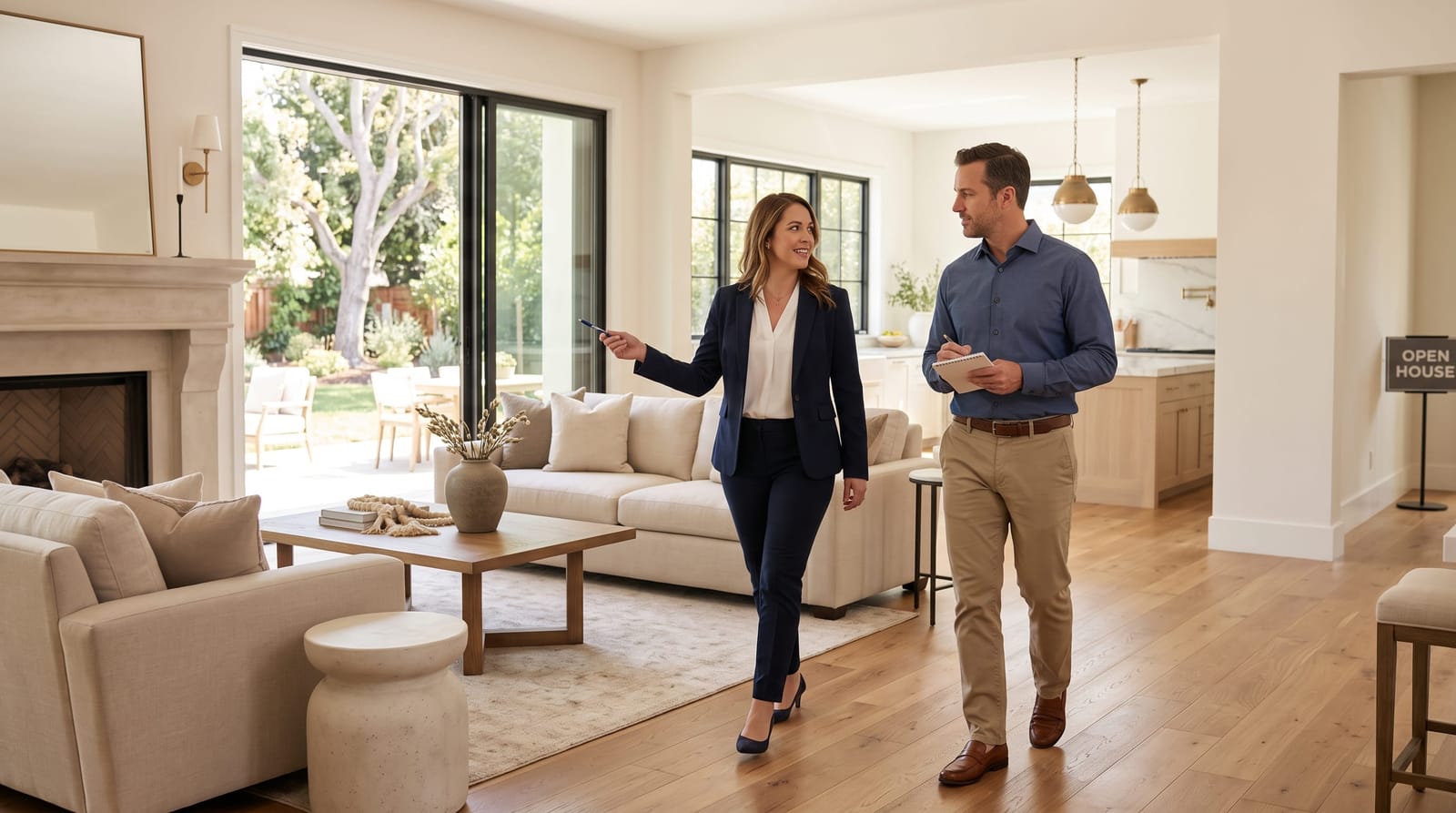
Every open house tells a story — and if you know how to listen, visitor feedback can become one of the most valuable tools in your home selling strategy. Whether your listing has been sitting longer than expected or you're simply looking to sharpen your approach, the comments buyers leave behind offer direct insight into how your home is being perceived. This post breaks down how to collect, interpret, and act on open house feedback so that every showing moves you closer to the right offer.
Why Open House Feedback Is a Strategic Asset
Most sellers focus on foot traffic as the primary measure of open house success. But the real value isn't just in how many people showed up — it's in what those visitors said while they were there, and what they shared afterward.
Open house feedback gives you a window into buyer psychology that's difficult to get any other way. Buyers who walk through your home are comparing it in real time against other properties they've toured. Their comments — even casual, offhand ones — reflect how your listing stacks up against competing homes in the same price range.
Research consistently shows that sellers who actively collect and analyze feedback between showings are better positioned to make targeted adjustments rather than blanket price reductions. When feedback reveals a clear pattern — say, multiple visitors mentioning the same concern about a particular room — that pattern signals something specific and actionable. Ignoring it means leaving avoidable obstacles in the path of a sale.
A proactive realtor treats open house feedback not as passive commentary, but as real-time market data. Combined with showing metrics — how many visits have occurred, how long buyers are spending in the home — feedback becomes part of a broader open house feedback listing strategy that keeps your sale moving forward.
How to Systematically Collect Visitor Feedback
Collecting feedback effectively requires a system, not just a comment box on the counter. Here's how a well-organized approach typically works:
Use a Short, Structured Feedback Form
Provide visitors with a simple 5–7 question form they can complete before they leave. Keep it focused: What did they like most? What concerned them? How did the price compare to their expectations? Would they consider making an offer? Short-answer options work better than open-ended paragraphs — busy buyers are more likely to respond when the form takes under 2 minutes to complete.
Follow Up Within 24–48 Hours
Many buyers won't share their honest impressions on-site, especially if an agent is nearby. A follow-up email or text sent within 24 to 48 hours of the open house dramatically increases the quality of feedback you receive. According to real estate marketing professionals, a well-timed thank-you message that invites brief comments keeps potential buyers engaged while the home is still fresh in their minds — and often surfaces concerns they wouldn't have mentioned in person.
Track Feedback Across Multiple Showings
One comment is anecdotal. Three or four comments saying the same thing is a pattern. Your agent should be logging feedback from every open house and private showing in a consistent format so that themes emerge clearly over time. A running log that tracks visitor responses by date, concern type, and sentiment makes it far easier to identify what's working and what needs adjustment.
Pricing Problems vs. Presentation Problems: How to Tell the Difference
Not all negative feedback points to the same solution. One of the most important skills in interpreting open house comments is distinguishing between a pricing problem and a presentation problem — because the fixes are very different.
Signs of a Pricing Problem
Feedback that suggests a pricing issue often sounds like:
- "It's a nice home, but not at that price point."
- "We can get more square footage for the same money down the street."
- "The updates don't justify the asking price for this neighborhood."
When 3 or more visitors independently raise concerns about value relative to cost — especially when they've recently toured comparable homes — that's a signal worth discussing with your agent. Studies suggest that homes priced within 3% of their true market value sell significantly faster than those priced higher, even after a later reduction. Getting the price right early tends to generate more competitive activity than chasing the market down.
Signs of a Presentation Problem
Presentation feedback sounds different:
- "The photos online looked bigger than it feels in person."
- "The smell when you walk in was off-putting."
- "It felt cluttered and hard to imagine living here."
- "The curb appeal didn't match the interior."
When visitors say things like "the photos made it look different" or "I expected something else based on the listing," that's a marketing alignment problem — a gap between how the home is being presented and how it actually shows. These issues are highly fixable: professional staging, updated listing photos, targeted decluttering, or even a fresh coat of neutral paint can shift buyer perception quickly without touching the price.
Understanding how many showings before offer on home is typically expected can also help you benchmark whether the volume of traffic is reasonable for your price range and market conditions — or whether the feedback pattern suggests a deeper adjustment is needed.
How a Proactive Realtor Uses Feedback to Drive Strategy
Collecting feedback is only half the equation. The other half is what your agent does with it between showings.
A proactive realtor reviews feedback after every open house and private showing, then schedules a debrief with the seller — ideally within a few days — to discuss what was heard and what it means. This isn't just a courtesy update; it's a strategic conversation about whether any changes are warranted before the next round of showings.
Depending on what the feedback reveals, your agent might recommend:
- Refreshing the listing description to better reflect the home's strongest features
- Ordering new photography or video if the current visuals aren't converting online views to in-person visits
- Adjusting staging in specific rooms that are consistently drawing negative comments
- Addressing minor maintenance issues that buyers are noticing (leaky faucets, scuffed walls, odors)
- Revisiting the pricing strategy if multiple buyers are expressing value concerns
The goal is continuous refinement. Each round of feedback is an opportunity to close the gap between where your listing is and where it needs to be to generate offers. For unique or higher-end properties, this process can take more time — understanding how long to sell luxury home timelines typically play out can help set realistic expectations while keeping your strategy sharp throughout the listing period.
Frequently Asked Questions
How many open house visitors should give feedback before I act on it?
There's no fixed rule, but most experienced agents look for patterns across at least 3 to 5 responses before recommending a specific change. A single comment may reflect personal preference, but when multiple unrelated buyers raise the same concern independently, it's worth taking seriously. Your agent can help you weigh whether the feedback reflects a broad buyer sentiment or an outlier opinion.
What if buyers don't leave feedback at the open house?
Low on-site feedback is common — buyers are often hesitant to share candid opinions while they're still in the home. A follow-up email sent within 24 to 48 hours tends to generate more honest responses. Your agent can also reach out directly to the buyer's agent after private showings to gather impressions, which is one of the most reliable ways to get unfiltered feedback.
Can positive feedback still mean something needs to change?
Yes — and this is worth paying attention to. If buyers consistently say they love the home but aren't making offers, that's a signal in itself. It may suggest the price is slightly above what buyers are willing to commit to, or that something subtle is creating hesitation that visitors aren't articulating directly. High interest with low offer activity is one of the clearest signals to review your pricing strategy with your agent.
Should I be present at my own open house to hear feedback firsthand?
Most real estate professionals advise sellers not to attend their own open houses. Buyers tend to speak more freely — to each other and to the showing agent — when the seller isn't present. This candid conversation is often where the most honest impressions emerge. Your agent is better positioned to observe and capture those reactions without the dynamic shifting because you're in the room.
Turning Visitor Comments Into a Smarter Listing Strategy
Open house feedback isn't just a courtesy — it's a real-time diagnostic tool that can meaningfully shape your open house feedback listing strategy between showings. By collecting responses consistently, distinguishing between pricing and presentation signals, and working with an agent who treats that information as actionable data, you put yourself in a much stronger position to make the right adjustments at the right time. A thoughtful response to buyer feedback is one of the clearest signs of a well-managed listing — and often, the difference between a sale that stalls and one that closes.