Does a Pool Increase Home Value Enough to Justify the Cost of Adding One?
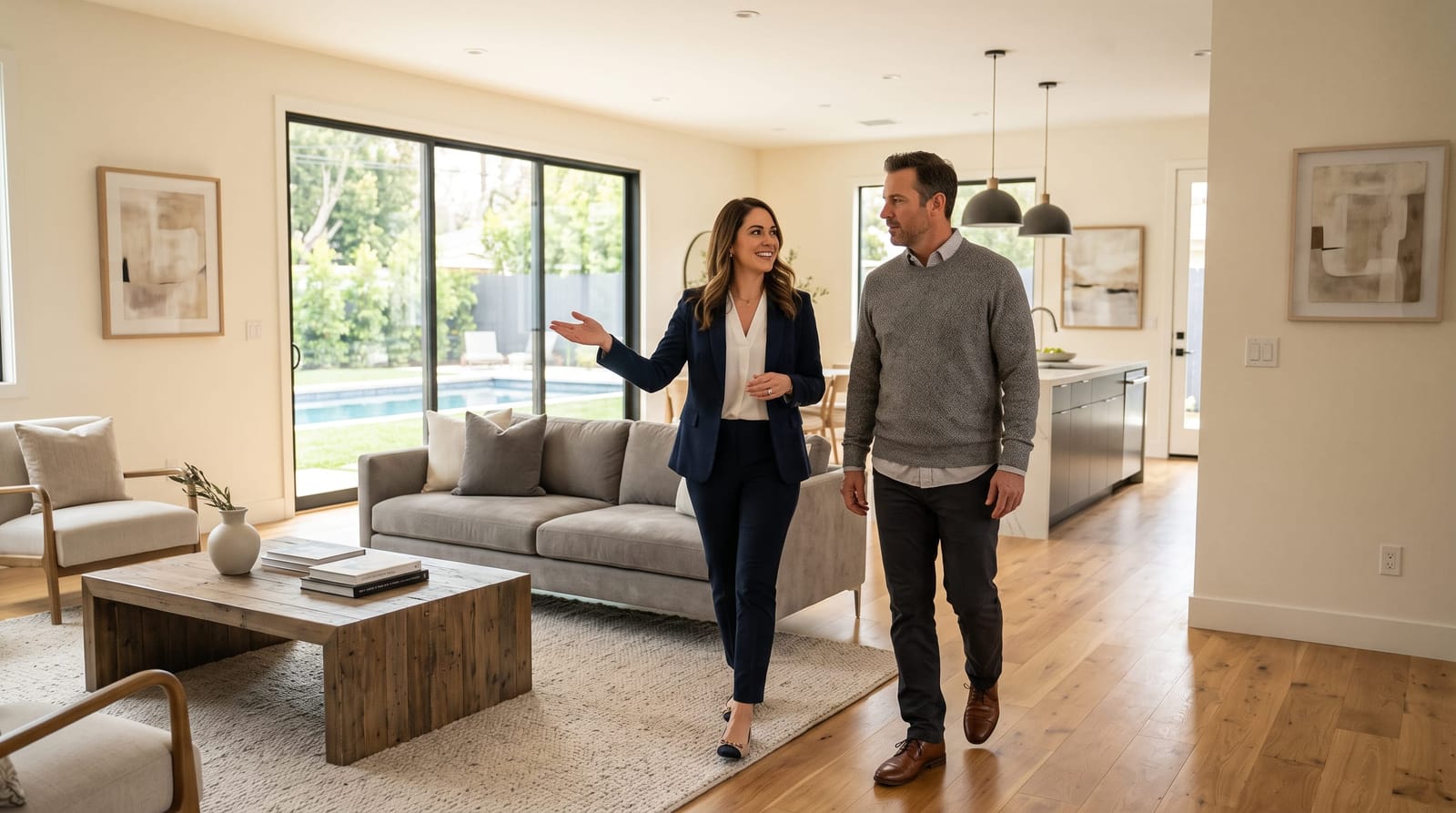
If you're preparing to sell your home and wondering whether adding a pool could boost your sale price, you're not alone. It's one of the most common questions sellers ask — and the answer is more nuanced than a simple yes or no. As part of understanding how improvements affect your home's appraised value, it helps to look at the full picture: what pools typically cost, what return sellers realistically see, and what buyers in your specific market actually want. Here's what you need to know before making that call.
1. Understand What the Numbers Actually Say
Let's start with the data, because it sets realistic expectations. On average, a swimming pool adds approximately 5% to 8% to a home's value nationally. On a $400,000 home, that translates to roughly $20,000 to $32,000 in added value — which sounds significant until you compare it to installation costs.
An in-ground pool typically costs anywhere from $35,000 to $65,000 or more to install, depending on size, materials, and your location. When you run those numbers side by side, it becomes clear that in most cases, adding a pool before selling is unlikely to recoup the full investment through the sale price alone.
That said, the 5–8% figure is a national average. Regional markets tell a very different story. In warm-weather states like Florida, Arizona, or Southern California, a pool can be considered a standard feature rather than a luxury upgrade — and buyers may expect one. In colder climates where a pool is usable only a few months per year, the value-add can be minimal, and some buyers may actually view it as a liability rather than an asset.
The bottom line: the numbers matter, but they only tell part of the story. Your local market matters more than any national average.
2. Factor In Ongoing Costs Buyers Will Inherit
One of the most important things sellers overlook is how buyers perceive the cost of owning a pool — not just the appeal of having one. A pool isn't a one-time expense. Buyers who tour a home with a pool are mentally calculating what it will cost them over time, and that calculation can influence how much they're willing to offer.
Here's what buyers typically factor in when evaluating a pool property:
- Annual maintenance costs: Professional pool maintenance can run $1,200 to $1,800 or more per year depending on service frequency and location.
- Utility expenses: Running a pool pump, heater, and lighting adds meaningfully to monthly energy bills.
- Repairs and equipment: Pumps, filters, heaters, and liners all have lifespans and replacement costs.
- Insurance considerations: Pools are generally considered an "attractive nuisance," and homeowners insurance premiums can increase as a result. Buyers should discuss this with their own insurance provider.
- Safety requirements: Many areas require fencing, gating, or alarms around pools. Buyers with young children often weigh these concerns heavily.
A well-maintained pool with modern equipment and a clean, attractive deck area will raise far fewer red flags than one that looks dated or neglected. Condition matters enormously — both to buyers and to appraisers evaluating your property.
3. Know When Adding a Pool Before Selling Makes Sense
There are specific situations where investing in a pool before listing could make strategic sense — though it's rarely the right move for every seller. Here are the circumstances worth considering:
- You're in a warm-weather market where pools are expected: In some Sun Belt markets, homes without pools can actually sit longer or attract lower offers simply because buyers are used to seeing them as standard. If comparable homes in your neighborhood all have pools, not having one could put you at a disadvantage.
- Your home is in a luxury price tier: Higher-end homes tend to see stronger returns on outdoor lifestyle features. A resort-style pool with quality landscaping, lighting, and a patio can significantly enhance the appeal of a luxury listing — and luxury buyers often place high value on move-in-ready amenities.
- You plan to enjoy it first: If you're not selling immediately and you'd genuinely use and enjoy the pool for several years, the personal value changes the calculation entirely. The investment doesn't have to justify itself through resale alone.
- You have comparable sales data to support it: If your real estate agent can show you multiple recent sales where pools contributed to above-asking offers or faster closes in your specific neighborhood, that's meaningful local intelligence — and it's more reliable than national averages.
For most sellers listing in the near term, the smarter approach is often to focus on maintaining and presenting an existing pool beautifully rather than adding one from scratch.
4. Consider Smarter Alternatives to a Full Pool Installation
If you don't already have a pool and you're thinking about adding one primarily to increase your sale price, there are usually better ways to invest that money before listing. Here are some alternatives that often deliver stronger returns relative to cost:
- Outdoor living upgrades: A well-designed patio, deck, or pergola can enhance outdoor appeal without the maintenance burden of a pool. Buyers respond strongly to usable, attractive outdoor spaces.
- Landscaping and curb appeal: First impressions drive buyer interest. Professional landscaping, fresh mulch, and clean outdoor spaces consistently improve perceived value at a fraction of the cost.
- Kitchen and bathroom updates: These remain among the highest-return improvement categories across most markets.
- Backyard staging: If you do have a pool, investing in professional staging of the outdoor area — clean water, attractive furniture, string lights, potted plants — can make a significant visual difference in listing photos and showings.
Understanding how home improvements affect appraisal outcomes is an important part of the broader home appraisal process. Appraisers evaluate pools as a feature — but they're also comparing your home to recent sales in the neighborhood, so local market conditions always carry significant weight in how any feature is valued.
5. Have an Honest Conversation With Your Real Estate Agent First
Before spending a dollar on any pre-listing improvement, talk to a local real estate professional who knows your specific market. No national article — including this one — can tell you whether a pool will help or hurt your sale in your neighborhood. What matters is what buyers in your area are actually purchasing, what comparable homes are selling for, and how your home stacks up against current competition.
A good agent will walk you through recent sales data, help you understand what appraisers are seeing in your market, and give you an honest assessment of where your improvement dollars are best spent. That conversation is free, and it can save you tens of thousands of dollars in decisions that don't ultimately move the needle on your sale price.
Frequently Asked Questions
Does a pool increase home value in every market?
No. The value a pool adds to a home varies significantly by region. In warm climates where pools are used year-round and commonly expected, they tend to add more value. In colder regions where pools are seasonal, they may add little value — and some buyers may see them as a costly inconvenience. Always factor in your local market conditions.
Will a pool help my home sell faster?
It depends on your market and buyer pool. In areas where outdoor living is a priority and pools are common, having one can attract more interest. In markets where buyers are less pool-focused, it may not affect your days on market — or it could narrow your buyer pool to those willing to take on the maintenance. Your agent can give you a clearer picture based on local sales data.
How do appraisers value a pool?
Appraisers assess a pool as a property feature and compare it against recent sales of similar homes in the area — some with pools, some without. The condition, type, and age of the pool all factor in, along with what local buyers have historically been willing to pay for homes that include them. A well-maintained pool in a pool-friendly market will generally appraise more favorably than a dated or poorly kept one.
Is it worth fixing up an existing pool before selling?
In most cases, yes — maintaining and presenting an existing pool well is worth the effort. Clean water, functioning equipment, updated tile or coping, and an attractive surrounding patio can meaningfully improve buyer perception without the large upfront cost of a new installation. Deferred pool maintenance is a common buyer concern and can sometimes become a negotiating point during the inspection process.
The Bottom Line
Adding a pool before selling is rarely a guaranteed path to a higher sale price — especially when the cost of installation typically exceeds the value it adds. That said, in the right market, with the right home, and for the right buyer, a pool can be a meaningful selling feature. The key is making this decision with clear eyes, local data, and guidance from someone who knows your market well. For sellers working through pre-listing decisions, understanding how improvements factor into the overall home appraisal process is a great place to start.