Occupied vs Vacant Home Staging: Which Approach Works Better for Luxury Listings?
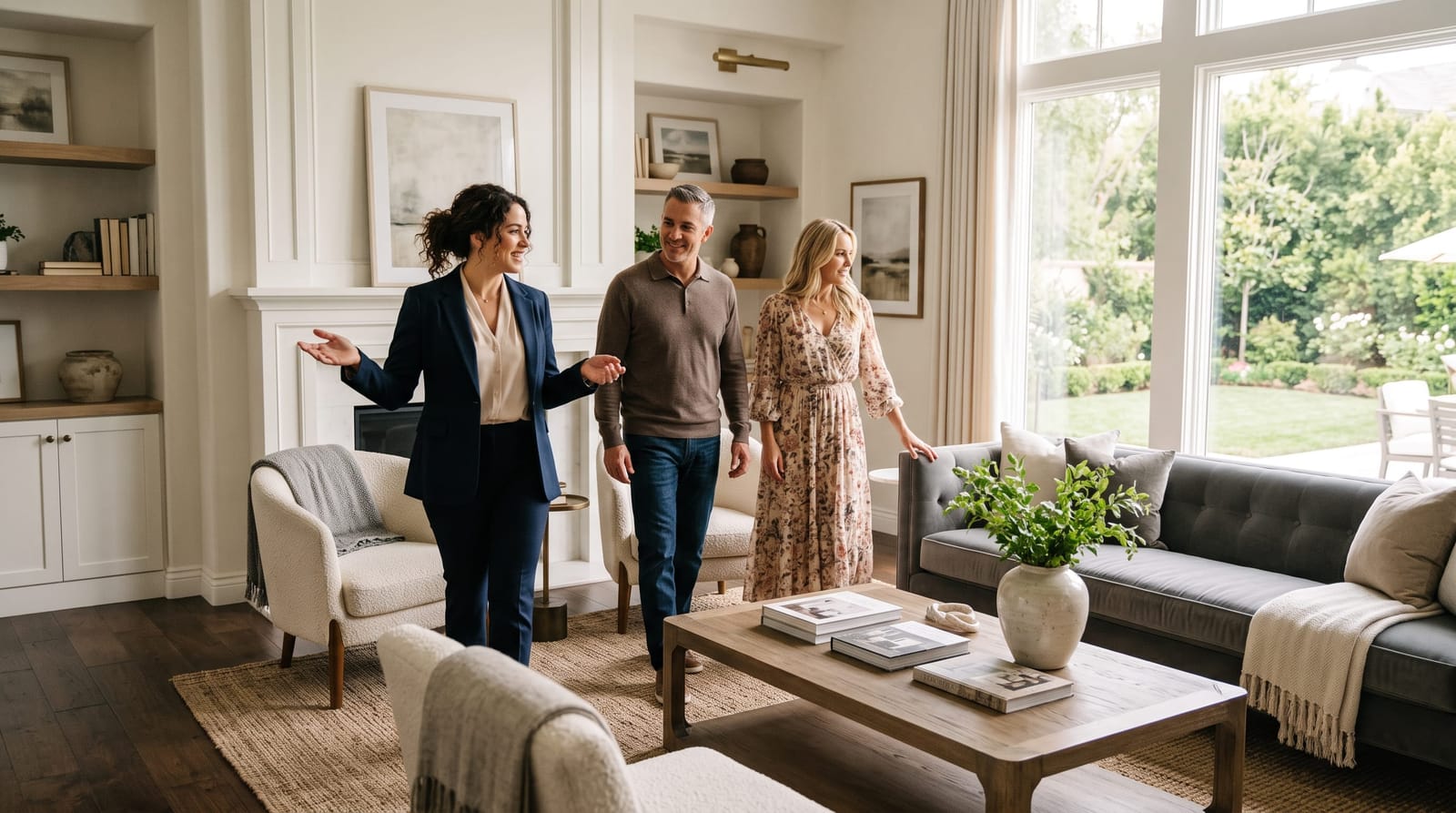
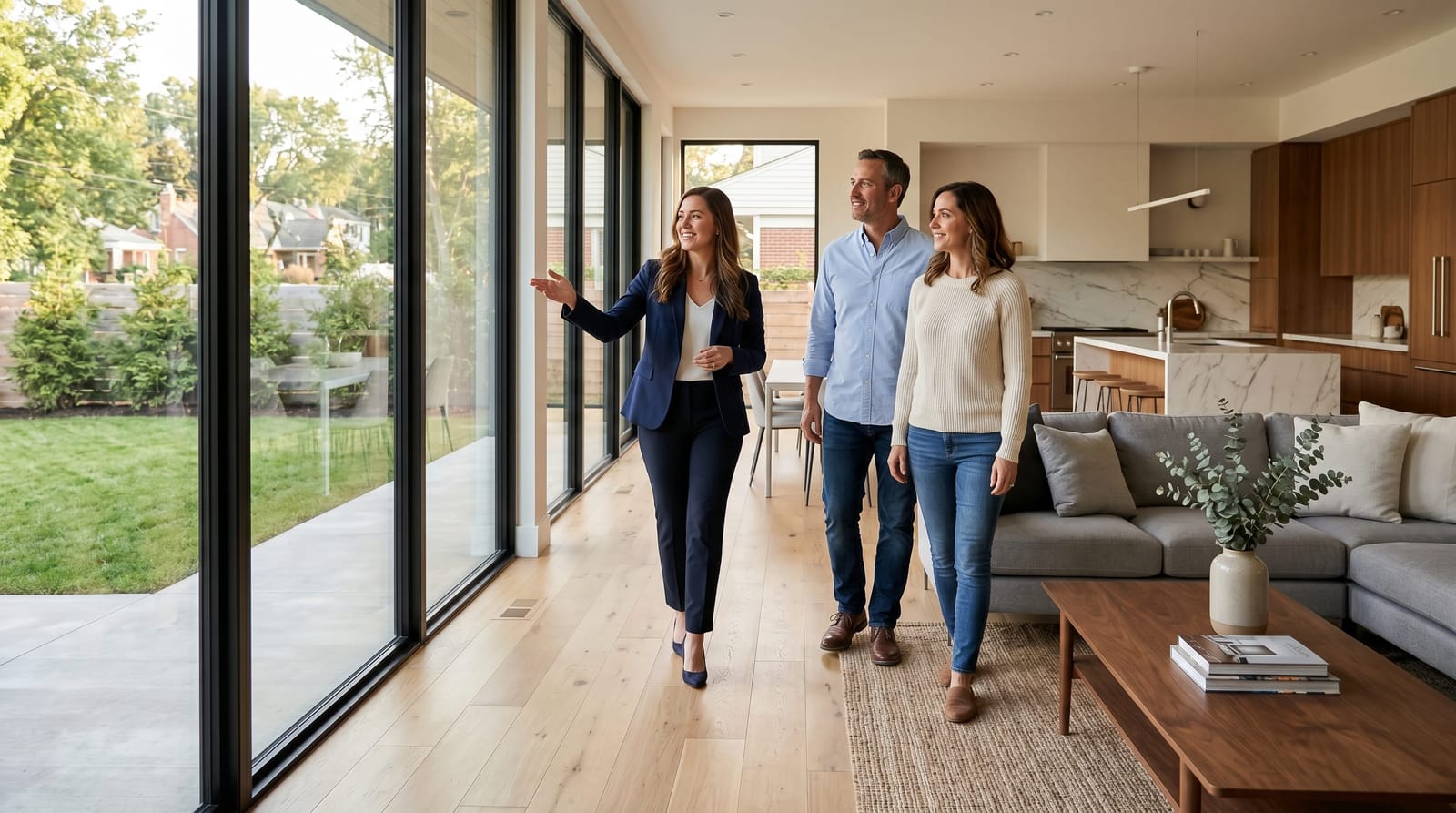
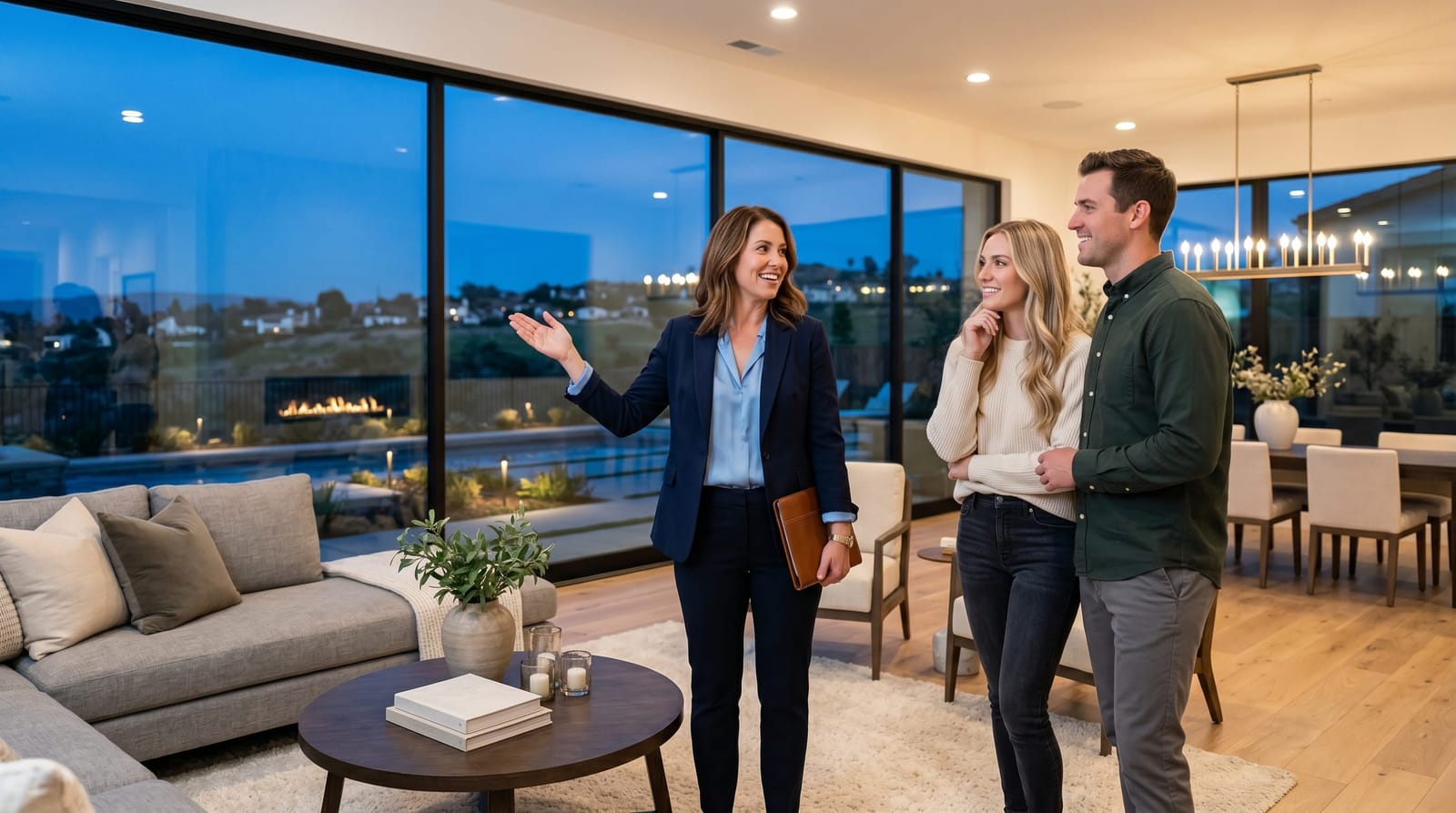
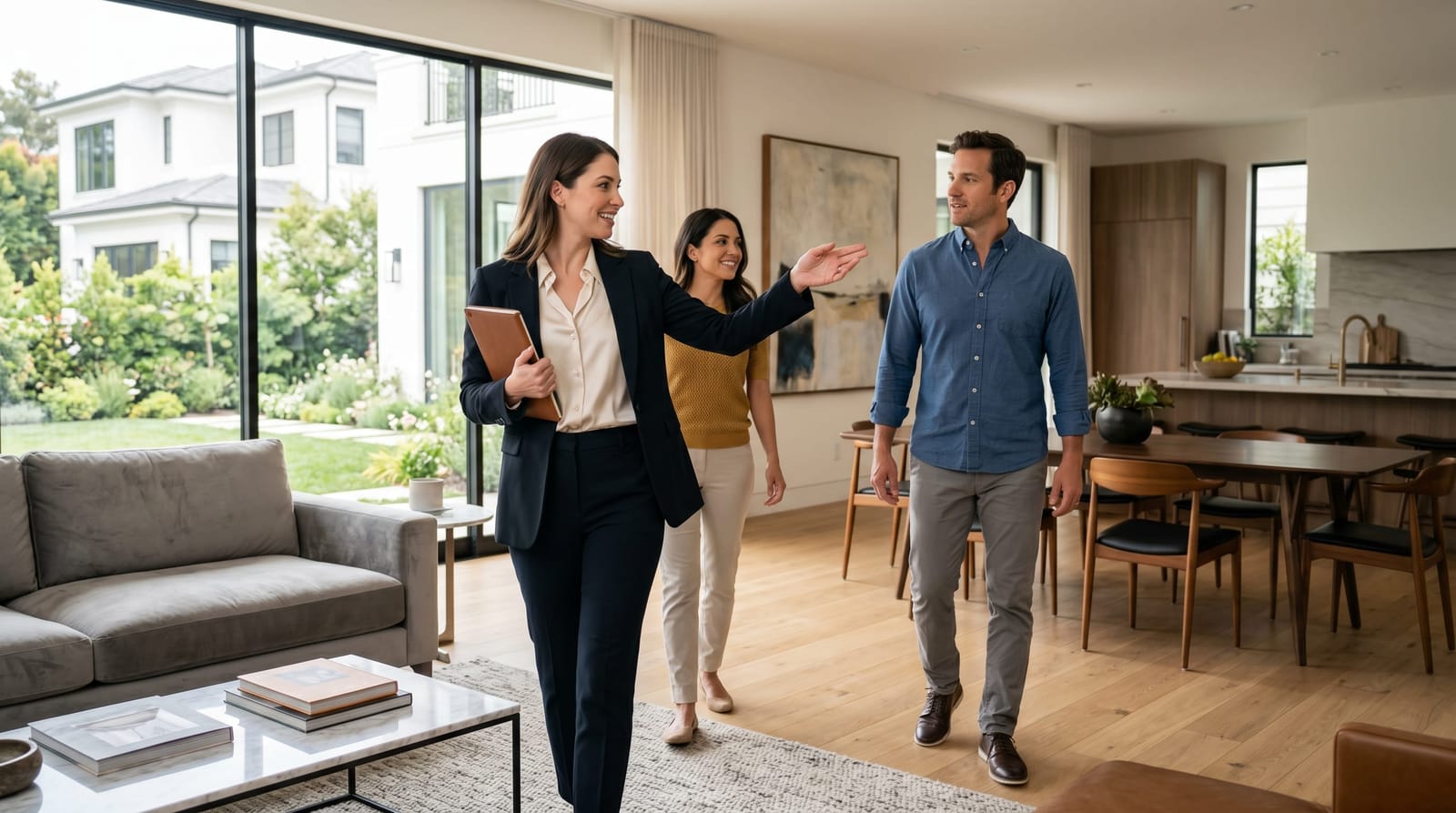
When it comes to staging a luxury home before selling, one of the first decisions you'll face is whether your current living situation — occupied or vacant — changes the staging strategy entirely. The short answer is yes, it does. Each scenario comes with its own set of challenges, creative opportunities, and coordination requirements. Whether you're still living in your home during the sale process or handing over an empty property, the right staging approach can meaningfully shape how buyers experience your listing and how quickly you move toward a successful closing.
Why Staging Matters More in Luxury Real Estate
Luxury buyers aren't just purchasing square footage — they're purchasing a lifestyle vision. Before they ever schedule a showing, most will spend significant time reviewing photos, virtual tours, and video walkthroughs online. According to the National Association of Realtors, 95% of home buyers use online tools during their search, making the visual presentation of a luxury listing one of the most critical factors in attracting serious interest.
Staging a luxury home before selling isn't about disguising flaws — it's about amplifying the property's best qualities and helping buyers emotionally connect with the space. A professionally staged home can feel more spacious, cohesive, and aspirational than the same home shown unstaged. Industry research from the Real Estate Staging Association suggests that staged homes spend an average of 73% less time on the market compared to non-staged properties, a compelling reason to invest thoughtfully in this step regardless of whether the home is occupied or vacant.
With luxury listings, the stakes are even higher. Buyers at this price point have elevated expectations, and a poorly presented home — even one with exceptional bones — may simply not make the shortlist.
Staging an Occupied Luxury Home: Working With What's Already There
When sellers are still living in the home during the listing period, staging takes on a different dynamic. The goal becomes editing, refining, and repositioning what already exists rather than starting from scratch. This can actually work in your favor — a home with thoughtfully curated furnishings and personal touches can feel warmer and more livable than an empty shell.
Key Strategies for Occupied Staging
- Declutter aggressively: Even beautifully furnished luxury homes often have too much on display. A professional stager will typically recommend removing 30–50% of personal items, accessories, and furniture to create a cleaner, more editorial feel.
- Neutralize personal style: Staging isn't about erasing your taste entirely, but highly personalized décor — bold art collections, family photos, or niche design choices — can distract buyers from the home's architecture and features.
- Highlight architectural features: Grand staircases, coffered ceilings, panoramic windows, and custom millwork should be the focal points, not competing with furniture arrangements that block sightlines.
- Maintain showroom-level cleanliness: With buyers potentially scheduling showings on short notice, the home needs to remain in presentation-ready condition at all times. This is one of the harder realities of selling a lived-in luxury home.
Coordination between the listing agent and the staging team is essential here. Your realtor should be scheduling showings with enough lead time that the sellers can prepare the space — and the staging plan should be realistic for a family actively living in the home.
Staging a Vacant Luxury Home: The Blank Canvas Challenge
At first glance, a vacant home might seem like the easier staging scenario — no personal items to work around, no scheduling conflicts, no mess. But vacant luxury homes come with their own significant challenges that can actually work against a successful listing if not handled thoughtfully.
Empty rooms tend to feel smaller in photos, not larger. Without furniture and scale references, buyers struggle to envision how their lifestyle fits into the space. High-end finishes like marble floors, custom cabinetry, and designer light fixtures lose some of their impact when surrounded by nothing. Acoustics also shift in empty homes — sound echoes in ways that can feel cold and uninviting during in-person showings.
Key Strategies for Vacant Staging
- Full furniture installation: A vacant luxury home almost always benefits from full staging with rented or stager-owned furniture, art, and accessories. This is a significant investment, but it pays off in photography quality and buyer engagement.
- Focus on hero rooms: If budget requires prioritizing, concentrate staging efforts on the spaces that photograph most dramatically — the primary suite, main living area, kitchen, and outdoor entertaining spaces.
- Use scale intentionally: Luxury homes have proportions that require appropriately sized furniture. Undersized pieces make large rooms feel awkward and cavernous. A good stager will source pieces that honor the home's scale.
- Add warmth through layers: Rugs, throw pillows, table styling, fresh botanicals, and curated books and accessories make the difference between a staged home that feels like a showroom and one that feels aspirational and livable.
If you're preparing a vacant property for listing, it's also worth reviewing renovations that add value to a luxury home before selling — some targeted updates can dramatically improve the return on your staging investment by ensuring the finishes and fixtures match the lifestyle buyers expect at this price point.
How Your Realtor Coordinates Staging in Either Scenario
A skilled luxury listing agent doesn't just refer you to a stager and step back — they actively coordinate the entire presentation strategy from start to finish. This means aligning the staging timeline with the photography schedule, the listing launch date, and any pre-market or off-market showing windows.
For occupied homes, your agent should help establish a realistic staging plan that sellers can maintain without significant disruption to daily life. This includes clear communication about showing protocols, turn-around times, and what "presentation ready" means in practical terms.
For vacant homes, the agent coordinates staging installation to happen immediately before the photography session, ensuring the home is captured at its absolute best. Many experienced luxury agents have established relationships with staging professionals who specialize in high-end properties and understand how to curate spaces for both in-person showings and digital-first impressions.
In either case, maintaining consistent upkeep throughout the marketing period is non-negotiable. A home that photographs beautifully but shows differently — dusty surfaces, shifted furniture, poor lighting — creates a disconnect that can erode buyer confidence.
Frequently Asked Questions About Staging a Luxury Home Before Selling
How much does professional staging typically cost for a luxury home?
Staging costs vary widely based on the size of the home, the scope of work, and your local market. For luxury properties, full vacant staging can range from a few thousand dollars for targeted rooms to significantly more for larger estates requiring complete furniture installation. Your listing agent can help you understand what's typical in your area and what return you can reasonably expect from the investment.
Is it always necessary to stage a luxury home if it's already beautifully furnished?
Not always — but a professional consultation is almost always worth it. Even well-furnished luxury homes often benefit from editing, rearranging, and neutralizing certain elements before photography and showings. A stager's outside perspective can catch things that are easy to overlook when you've been living in a space for years.
How long does staging preparation typically take for a luxury listing?
For occupied homes, the editing and preparation process typically takes one to three days depending on the scope. For vacant homes, full furniture installation can take one to two days once pieces are sourced and delivery is scheduled. Planning this timeline in advance with your agent is key to hitting your target listing date without rushing.
Does staging help with online listing photos specifically?
Significantly. Professional photography of a well-staged luxury home captures depth, warmth, and lifestyle in a way that empty or cluttered spaces simply don't. Since the majority of luxury buyers begin their search online, the quality of those initial listing images directly influences how many showings your property generates.
Choosing the Right Staging Approach for Your Luxury Listing
Whether your home is occupied or vacant, staging a luxury home before selling is one of the most impactful steps you can take to position your property competitively. Occupied homes require thoughtful editing and ongoing maintenance discipline. Vacant homes require intentional investment in furniture, scale, and warmth. In both scenarios, the coordination between your staging team and your listing agent makes all the difference. A well-presented luxury home doesn't just look better online — it creates an emotional experience that motivates serious buyers to act. That's the heart of a strong luxury home marketing strategy.