How Long Does It Take to Buy a Home From Start to Finish?

One of the first questions buyers ask when they start thinking about homeownership is a simple one: how long does it take to buy a home? The honest answer is that it depends — but not in a vague, unhelpful way. There are real phases with real timelines, and understanding them upfront can reduce stress, prevent costly mistakes, and help you plan your life around the process. Whether you're a first-time buyer or returning to the market after years away, here's a realistic, phase-by-phase breakdown of what to expect.
The Short Answer: Four to Six Months for Most Buyers
From the moment you start seriously researching to the day you get keys in hand, buying a home typically takes four to six months in a balanced market. In a highly competitive market, that window can shrink or stretch unpredictably — bidding wars, limited inventory, and rising prices all add friction. According to real estate lending experts, the full process from searching to closing usually runs three to six months, with four to five months being the most common range for buyers who are financially prepared and working in a moderately active market.
That said, timelines are not one-size-fits-all. Cash buyers can close in as little as two weeks because they bypass the mortgage underwriting process entirely. Buyers financing a luxury home in a niche market may wait months to find the right property before the process even formally begins. Understanding which phase takes the longest — and why — helps you set realistic expectations before you make a single offer.
Phase 1: Pre-Approval and Preparation (2–4 Weeks)
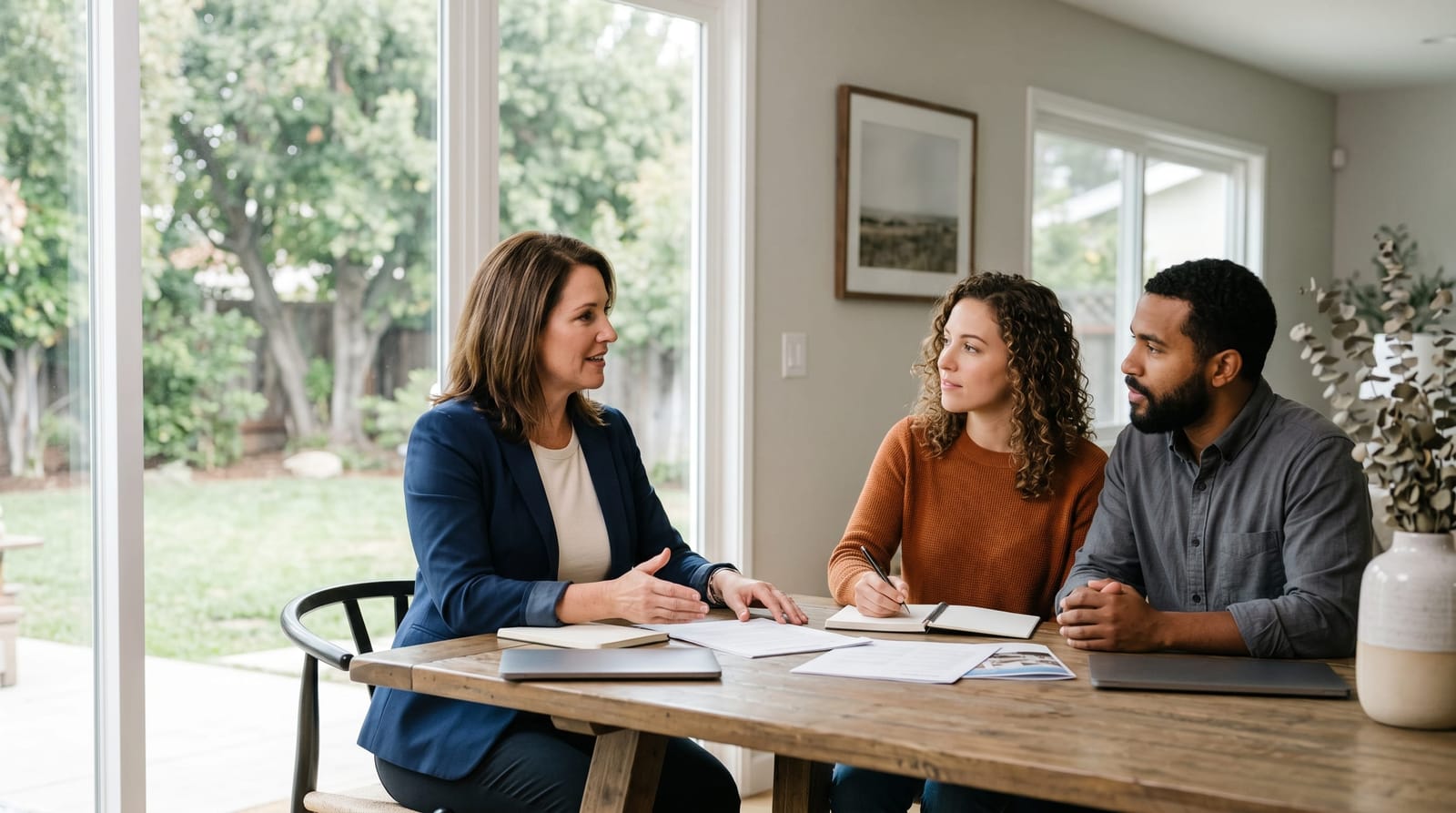
Most buyers underestimate how important the preparation phase is, and how much time it actually takes. Getting pre-approved for a mortgage is not the same as getting pre-qualified — pre-approval requires a full credit check, income verification, tax returns, bank statements, and debt documentation. Lenders typically take five to ten business days to issue a pre-approval letter once they have everything they need, but gathering your documents can add another week or two if your financial situation is complex.
This is also the phase where you should be interviewing realtors, defining your search criteria, and understanding what you can realistically afford versus what you've been approved for. Before you sign anything, it's worth understanding what a buyer representation agreement explained actually means — because in most markets, your realtor relationship is formalized before the active search begins.
Key tasks in this phase:
- Gather financial documents (W-2s, tax returns, pay stubs, bank statements)
- Submit mortgage pre-approval application
- Review your credit report and address any errors
- Interview and select a buyer's agent
- Define your must-haves, nice-to-haves, and deal-breakers
Phase 2: The Home Search (Weeks to Months)
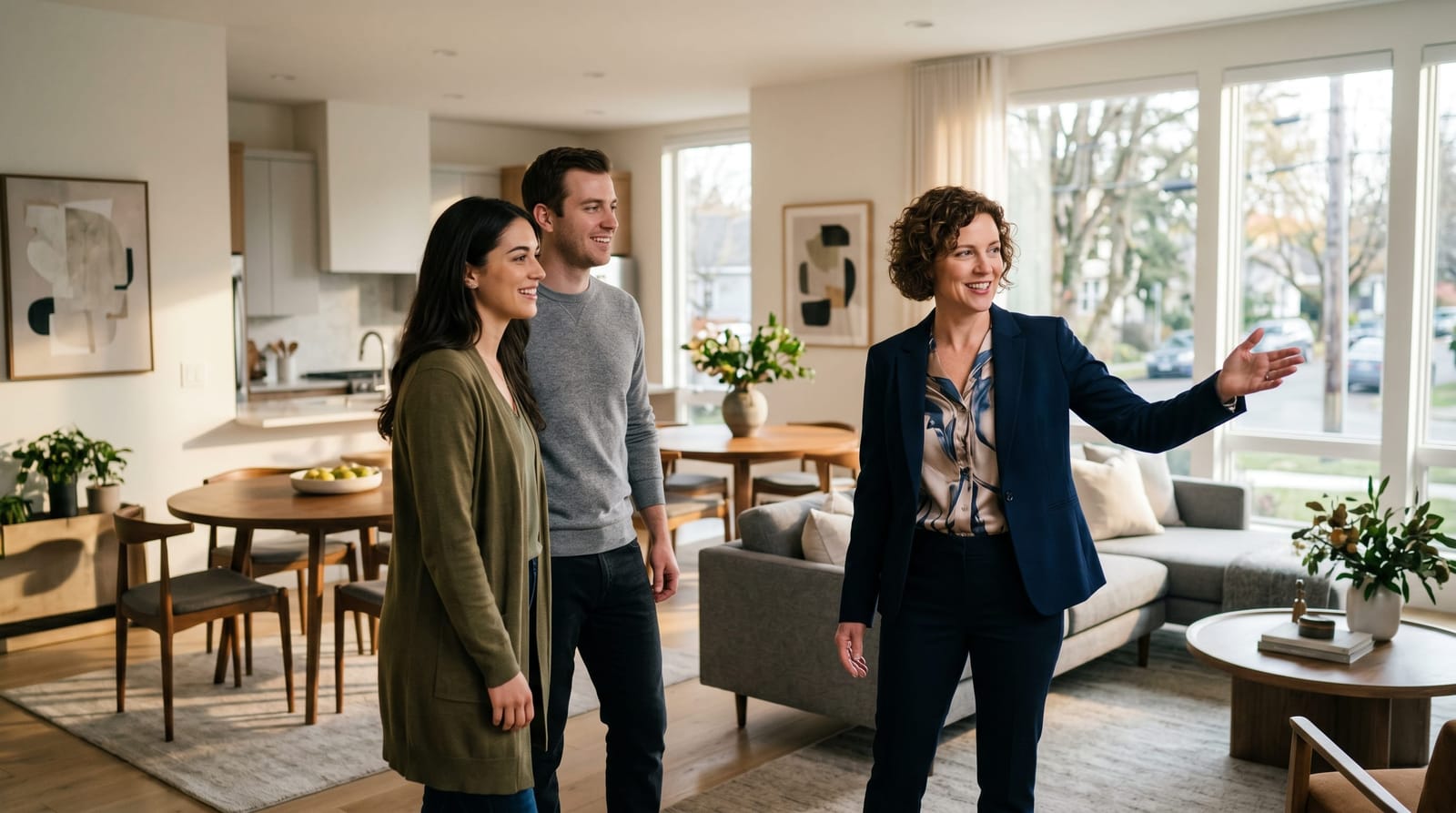
This is the most variable phase in the entire homebuying timeline — and the one that most affects how long it takes to buy a home overall. In a market with strong inventory, motivated buyers can find the right property in two to four weeks. In a low-inventory or highly competitive market, the search phase can stretch to three months or longer, especially if you have specific location or feature requirements.
On average, buyers tour approximately ten homes before making an offer, though this varies significantly by market and buyer preference. In competitive urban markets, buyers sometimes make offers on the first or second home they see, only to lose out in bidding wars multiple times before going under contract. That cycle of offering and losing can add weeks to the timeline without any visible progress.
Luxury home searches operate differently. Fewer homes are listed publicly, more transactions happen off-market, and the decision cycle is longer. A buyer looking at homes priced above $1.5 million may spend two to four months in search mode even with an active, experienced agent working on their behalf.
Phase 3: Offer, Negotiation, and Acceptance (Days to 2 Weeks)
Once you find the right home, the offer phase moves quickly — usually within 24 to 72 hours in competitive markets where waiting means losing. Your realtor will run a comparative market analysis, help you determine offer price, advise on contingencies, and submit the offer on your behalf.
Negotiation can add a few days to a week depending on how many counteroffers go back and forth. In a seller's market, many buyers submit offers with fewer contingencies to be competitive, which can speed things up but increases risk. In a balanced or buyer's market, you'll have more room to negotiate on price, closing costs, and timelines.
Once both parties sign, you're officially "under contract" — and the clock starts ticking on the next phase.
Phase 4: Inspection, Appraisal, and Mortgage Underwriting (3–5 Weeks)
This is the most process-heavy phase, and it's where deals are won or lost. Here's how each step typically breaks down:
- Home inspection: Usually scheduled within five to seven days of going under contract. The inspection itself takes two to four hours; the written report follows within 24 to 48 hours. Negotiating inspection repairs or credits adds another three to five days.
- Appraisal: Ordered by your lender, typically completed within one to two weeks of going under contract. In high-demand markets, appraisers are sometimes backlogged, pushing this to three weeks. If the appraisal comes in below the purchase price, additional negotiation is required.
- Mortgage underwriting: This is often the longest and least predictable step. After the appraisal and inspection are complete, your lender's underwriter reviews every document in your file. This process takes seven to twenty-one days on average. If the underwriter issues conditions — which is common — you'll need to provide additional documentation, adding days or more to the timeline.
For luxury purchases financed with jumbo loans, underwriting is typically more intensive than standard conforming loans. Expect additional documentation, more thorough asset verification, and longer processing times — sometimes four to six weeks rather than two to three.
Phase 5: Closing Day (1–2 Hours, But Takes Days to Schedule)
Once your lender issues a "clear to close," you're within three to five business days of closing. You'll receive a Closing Disclosure at least three business days before closing that details your final loan terms, monthly payment, and all closing costs. Review it carefully — any errors can delay the process.
Closing day itself is typically straightforward and takes one to two hours. You'll sign documents, pay closing costs (which typically run two to five percent of the loan amount), and receive your keys. In 2024, the average time from contract to close for financed purchases was approximately 43 days, according to industry data — so just over six weeks from accepted offer to ownership.
Frequently Asked Questions
How long does it take to buy a home if I'm a cash buyer?
Cash buyers can move significantly faster than financed buyers because there's no mortgage underwriting process. Most cash transactions close in two to four weeks, assuming no major inspection issues arise and title is clear. Some motivated sellers and cash buyers close in as little as seven to ten days.
What is the longest part of the homebuying process?
For most buyers, the home search phase takes the longest — often one to three months depending on inventory and how quickly you can identify a home that meets your criteria. Once under contract, mortgage underwriting is the most unpredictable step and can run two to four weeks.
Can I speed up the homebuying process?
Yes, in several ways. Getting fully pre-approved before you search (not just pre-qualified) is the single biggest time-saver. Responding quickly to your lender's document requests during underwriting prevents unnecessary delays. Choosing a closing date that works for all parties and reviewing your Closing Disclosure as soon as it's issued also helps the final steps move smoothly.
Does buying a luxury home take longer than a regular home purchase?
Generally, yes. Luxury transactions often involve longer search phases due to limited inventory, more complex negotiations, jumbo loan underwriting requirements, and additional due diligence (such as structural inspections or environmental assessments). A luxury purchase that takes three to four months from start to close is typical, whereas a median-priced home might close in sixty to ninety days from the start of the search.
The Bottom Line on Homebuying Timelines
So how long does it take to buy a home? For most buyers, budget four to six months from preparation to closing. Pre-approval and preparation take two to four weeks. The search phase varies most widely, from a few weeks to several months. Once under contract, plan on thirty to fifty days to close. Understanding each phase — and what can slow it down — puts you in a much stronger position to plan effectively and avoid surprises. Working with an experienced realtor who communicates proactively throughout the process makes every phase smoother and faster.