How Does a Realtor Market My Home and What Should I Expect?

If you're preparing to sell your home, one of the most important questions you can ask is: how does a realtor market my home, exactly? It's a fair question — and one that separates average agents from exceptional ones. A vague answer like "we'll list it on the MLS and do some social media" isn't good enough when you're selling one of your most valuable assets. This guide breaks down what a professional home marketing plan actually looks like, so you know what to expect and what to demand.
The Foundation: MLS Listing and Professional Photography
Every serious marketing effort starts with two non-negotiables: a strong MLS listing and professional-quality photography. The Multiple Listing Service (MLS) is the central database that feeds property information to Zillow, Realtor.com, Redfin, and hundreds of other platforms. When your listing goes live on the MLS, it becomes visible to virtually every active buyer and buyer's agent in your market simultaneously.
But the MLS listing is only as powerful as the content inside it. A skilled realtor will invest in:
- Professional photography — High-resolution images taken by a real estate photographer, not a smartphone camera. Studies consistently show that listings with professional photos sell faster and closer to asking price.
- Compelling listing copy — A description that highlights your home's best features, the lifestyle it offers, and the neighborhood appeal — not just a room count.
- Accurate and complete data — Square footage, upgrades, lot size, HOA details, and anything else buyers filter by when searching online.
- Virtual tours or video walkthroughs — Increasingly expected by out-of-town buyers and anyone doing early research online.
If an agent mentions they'll "take some photos themselves," that's a red flag. Professional presentation at this stage directly impacts how many buyers request showings.
Digital Advertising and Targeted Online Campaigns
Beyond the MLS, a well-prepared realtor uses paid digital advertising to place your listing directly in front of buyers who are actively searching — or who match the profile of someone likely to buy your type of home. This is where modern marketing separates top agents from the rest.
Effective digital marketing for your home listing should include:
- Facebook and Instagram ads — Targeted by location, household income, life stage (newlyweds, growing families), and behavior (people who have recently searched for homes).
- Google display and search ads — Capturing buyers actively searching terms like "homes for sale in [your neighborhood]."
- YouTube or social video content — Short-form video tours posted to Instagram Reels, TikTok, or YouTube Shorts that showcase your home's best features in an engaging format.
- Retargeting campaigns — Ads that follow up with people who viewed your listing online but didn't inquire, keeping your home top of mind.
Ask any agent you're interviewing to show you examples of digital ad campaigns they've run for previous listings. If they can't, that's a gap in their marketing toolkit.
Email Marketing and the Agent's Personal Network
The buyers who are most likely to move quickly on your home aren't always browsing Zillow — they're already in contact with active real estate agents. This is why your realtor's professional network is a genuine marketing asset.
A well-connected agent will market your home directly through:
- Email campaigns to buyer leads — Agents with a healthy database will send a dedicated email to their list of active buyers the day your listing goes live.
- Agent-to-agent outreach — Personally contacting buyer's agents in the area who are working with clients matching your home's profile (price range, size, neighborhood).
- Broker network announcements — Many brokerages hold internal tours or email their entire agent roster about new listings before they hit the public market.
- Coming Soon promotions — Generating buzz and collecting interested buyers before the official listing date, which can create early momentum and competitive offers.
This kind of behind-the-scenes outreach is often invisible to sellers but can be the difference between one offer and five.
Open Houses, Showings, and In-Person Marketing
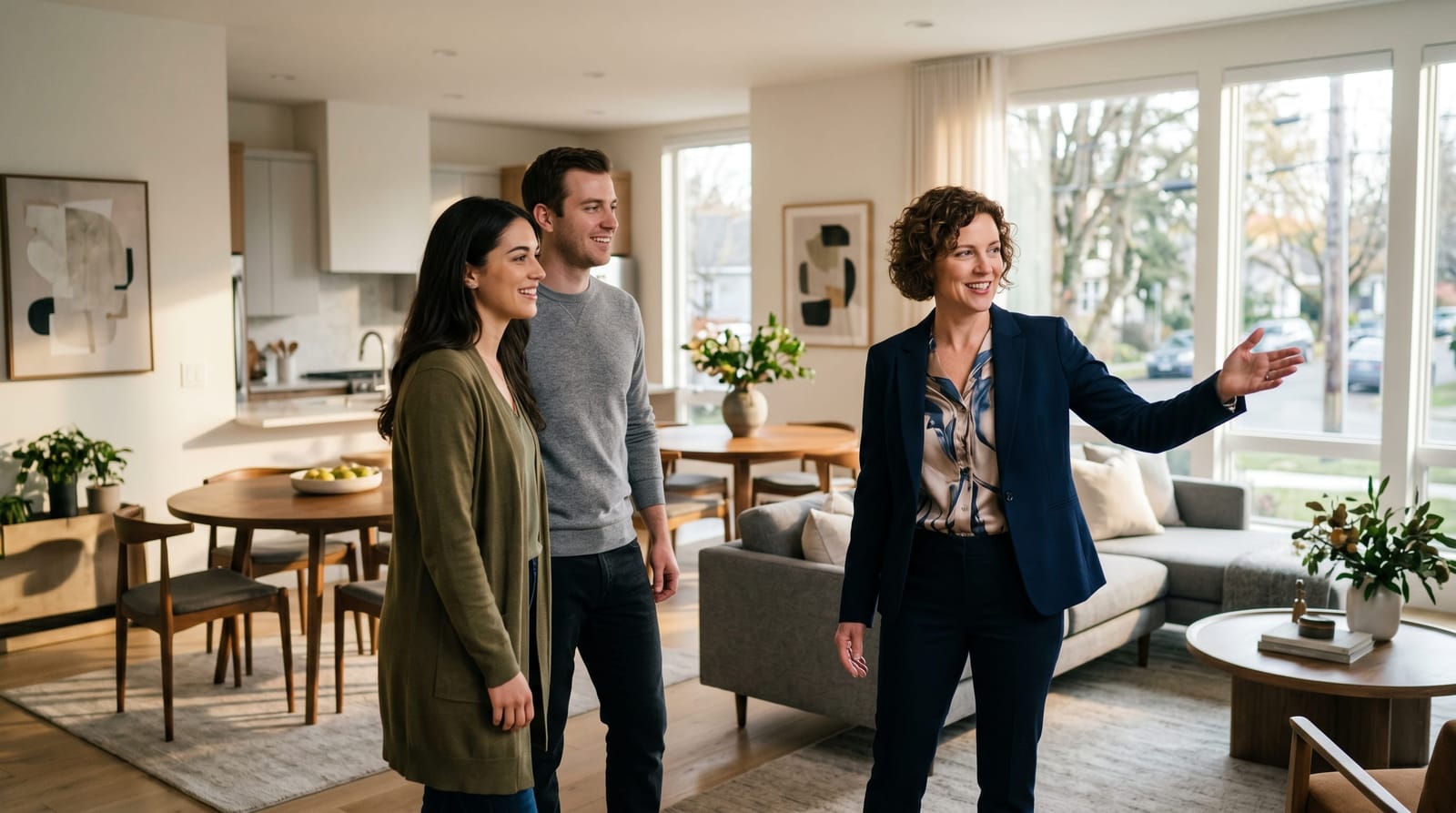
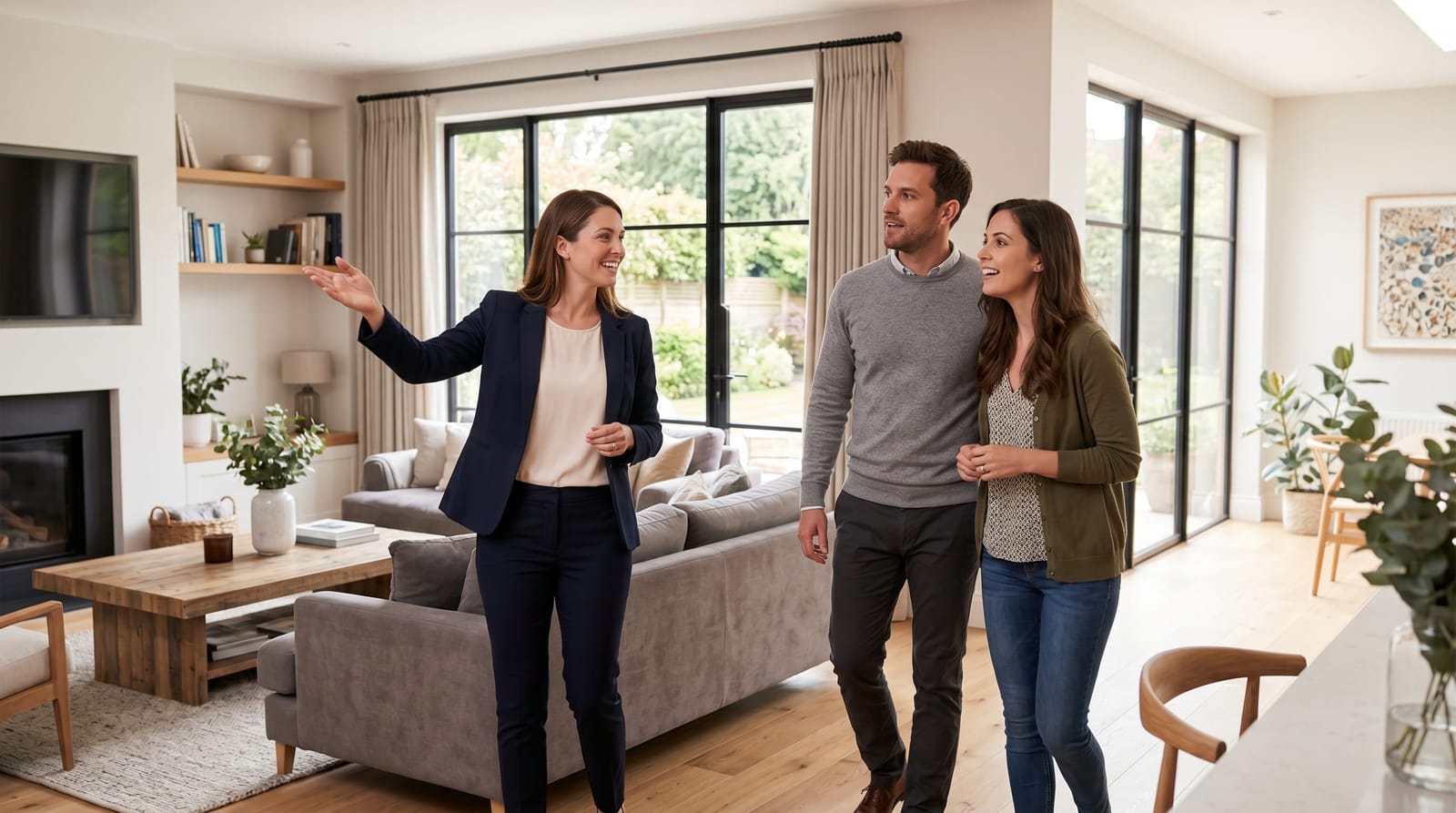
Digital marketing brings buyers to the door — but in-person marketing converts interest into offers. Your realtor should have a clear plan for how they'll manage physical access to your home.
Expect a professional agent to:
- Host a well-promoted public open house — Typically within the first one to two weeks of listing, advertised on the MLS, social media, and through neighborhood flyers or door-knocking nearby.
- Conduct a broker's open house — An invitation-only event for local buyer's agents to tour the home and match it to clients in their pipeline.
- Manage showing logistics efficiently — Using a showing service or app to confirm appointments, track feedback, and follow up with agents whose clients toured the home.
- Provide feedback after every showing — You should receive regular updates on buyer reactions, objections, and pricing feedback so adjustments can be made quickly if needed.
Open houses alone don't sell homes — but combined with a strong digital campaign, they reinforce buyer interest and create urgency.
What Questions Should You Ask Before Hiring an Agent?
Knowing how a realtor markets a home also means knowing how to evaluate the plan before you sign a listing agreement. When interviewing agents, ask these specific questions:
- Who takes your listing photos, and can I see examples from recent listings?
- Will you create a video tour or virtual walkthrough?
- What paid advertising platforms do you use, and what is your typical budget per listing?
- How many active buyers are in your database right now?
- How will you communicate showing feedback to me, and how often?
- What does your first two weeks of marketing look like, step by step?
An agent who gives clear, specific answers to these questions is one who actually has a plan. Vague responses or heavy reliance on the MLS alone suggest a passive approach to marketing your home.
It's also worth understanding that marketing is just one phase of the selling process. Once offers start arriving, the paperwork and contract process begins — and understanding what paperwork is involved in buying or selling a home will help you feel just as prepared for that stage as you are for the marketing phase.
Frequently Asked Questions
How long does it typically take for a realtor's marketing to generate showings?
In an active market, a well-marketed home can generate showing requests within the first 24 to 72 hours of going live on the MLS. Your agent's pre-launch activity — building a Coming Soon audience, emailing their buyer list, and notifying local agents — can create immediate demand the moment the listing is published.
Should I pay extra for professional photography, or should my agent cover it?
Most professional listing agents include professional photography as part of their service — it should not be an add-on you pay for separately. If an agent asks you to cover the photography cost, it's worth asking what their commission covers and whether their marketing approach meets a professional standard.
What's the difference between a public open house and a broker's open house?
A public open house is open to anyone and is primarily used to attract buyers who are actively touring homes. A broker's open house is exclusively for local real estate agents, giving them a chance to preview the property for clients in their pipeline. Both serve different purposes and a strong marketing plan typically includes both.
How do I know if my realtor's marketing is actually working?
Ask for regular reporting — specifically, how many times your listing has been viewed online, how many showing requests have come in, and what feedback buyers and their agents have shared. A good realtor will provide this information proactively, not just when you ask.
Conclusion
Understanding how a realtor markets your home gives you the power to choose the right agent and hold them accountable. A professional marketing plan goes far beyond uploading photos to the MLS — it includes targeted digital advertising, email and network outreach, compelling visual content, and a structured in-person strategy. Asking the right questions before you sign with an agent ensures your home gets the visibility it deserves. And when marketing leads to offers, you'll want to be equally prepared for what comes next in the selling process.