Does a Swimming Pool Add Home Value? What Appraisers and Buyers Actually Think
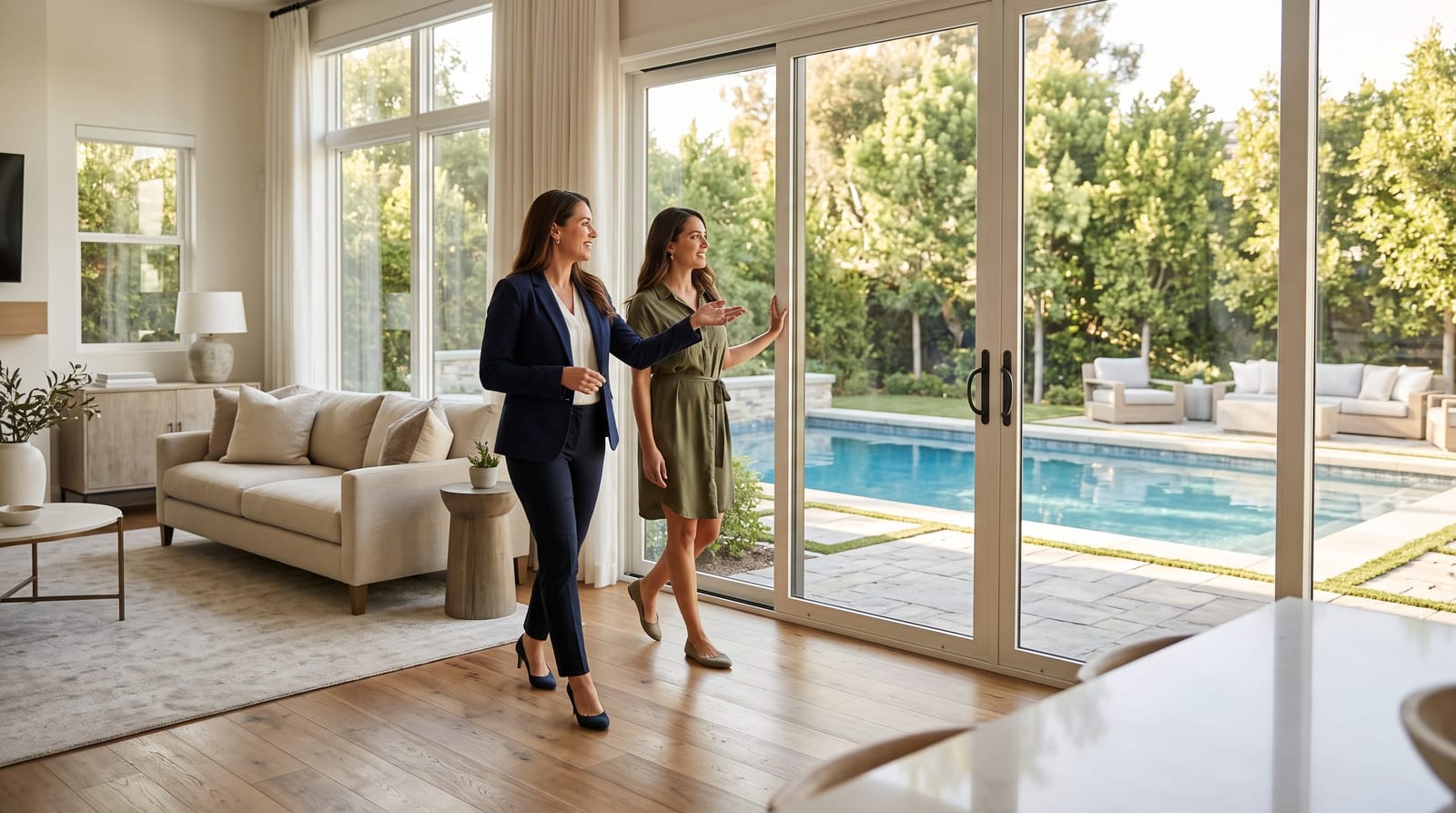
When you're navigating the home appraisal process, few features generate as much debate as a swimming pool. Sellers often see it as a premium amenity that justifies a higher asking price. Buyers may view it as a dream come true — or a maintenance headache they didn't sign up for. And appraisers? They look at the data, the market, and the specific neighborhood before drawing any conclusions. The question of whether a swimming pool adds home value is one without a one-size-fits-all answer, and understanding the nuances can make a real difference when you're buying, selling, or simply trying to understand what your property is worth. This guide walks through the essential things every homeowner and buyer should know about pools and property value.
Tip 1: Understand the National Baseline — But Don't Stop There
The starting point for any pool-and-value conversation is the national data. On average, an in-ground swimming pool adds approximately 5–8% to a home's value, which can translate to roughly $20,000–$32,000 on a $400,000 home. Some estimates push that figure slightly higher — around 7% — depending on the type of pool and local market conditions. Above-ground pools, by contrast, are generally considered temporary structures and add little to no lasting appraised value.
But here's where it gets important: that national average can be misleading. A pool in Phoenix, Arizona carries very different weight than the same pool in a suburb of Minneapolis. Appraisers are trained to look at local comparables — homes in your specific neighborhood that have sold recently with and without pools — to determine how much, if anything, your pool actually contributes to your appraised value.
What Appraisers Actually Measure
Appraisers don't simply add a flat dollar amount for a pool. They assess value based on:
- Recent comparable sales in the neighborhood (with and without pools)
- The condition and age of the pool
- Whether the pool is in-ground or above-ground
- The type of pool construction (concrete, fiberglass, vinyl liner)
- Additional features like heating systems, safety fencing, or attached spas
- Local climate and how many months per year the pool can realistically be used
This means the appraised value a pool adds to your home is highly localized — and that's exactly why working with someone who understands your specific market matters when you're preparing to list or make an offer.
Tip 2: Know That Climate and Location Drive Pool Value More Than Almost Anything Else
If there's one factor that consistently determines whether a pool is an asset or a liability in an appraisal, it's climate. In warm-weather states — Florida, Arizona, California, Texas, and parts of the Southeast — pools are expected amenities in many neighborhoods. Buyers in those markets actively search for homes with pools, and sellers can reasonably expect their pool to contribute meaningfully to the home's market value.
In colder climates, the calculus shifts. A pool that can only be used three or four months out of the year may not add significant appraised value, and some buyers in those markets actively prefer homes without pools because of the added seasonal maintenance burden.
Market Fit Matters, Too
Beyond climate, your neighborhood's price point plays a role. Consider these scenarios:
- High-end neighborhoods: In luxury markets where most comparable homes already have pools, not having one can actually put your home at a competitive disadvantage.
- Mid-range suburban markets: A pool can be a differentiator — but only if buyers in that price range view it as desirable rather than burdensome.
- Entry-level markets: Buyers focused on affordability may be deterred by the ongoing costs a pool adds, potentially making the feature a neutral or even negative factor.
- Vacation and resort communities: In areas tied to leisure living, a pool is often expected and valued strongly by buyers.
Tip 3: Factor In the Ongoing Costs That Buyers Will Be Thinking About
When buyers tour a home with a pool, they're not just thinking about summer fun. Experienced buyers — especially those who have owned pools before — are running mental math on what that pool will cost them to maintain, insure, and eventually repair or replace. These real costs affect both buyer demand and, indirectly, how the market values pool homes in your area.
Common Ongoing Pool Costs Buyers Consider
- Routine maintenance: Cleaning, chemical balancing, and regular service can add hundreds of dollars per month depending on the pool size and region.
- Utility costs: Running a pump and heater increases monthly energy bills year-round in many climates.
- Homeowner's insurance: Pools are considered an "attractive nuisance" in many markets and can affect insurance premiums. Buyers should consult their insurance provider for specifics.
- Repairs and resurfacing: Pools require periodic resurfacing, equipment replacement, and potential structural repairs over time.
- Seasonal winterization: In cooler climates, properly closing a pool for winter is an additional annual expense.
- Safety compliance: Depending on local regulations, fencing, alarms, or other safety features may be required — buyers will factor in compliance costs.
Sellers who are upfront about pool condition, recent maintenance, and the age of major equipment (pumps, heaters, liners) tend to have smoother appraisal and negotiation experiences. When a pool is well-documented and well-maintained, buyers have more confidence — and that confidence shows up in offers.
Tip 4: Recognize When a Pool Works Against Your Home's Value
Not every pool is an automatic selling point. There are specific situations where a pool can actually complicate a sale, reduce buyer interest, or create friction during the appraisal process. Being honest about these scenarios helps sellers make informed decisions before listing.
Situations Where a Pool May Detract From Value or Salability
- Poor condition: A pool with visible cracking, green water, outdated equipment, or a deteriorating liner signals expensive problems to buyers — and appraisers may adjust value accordingly.
- Undersized lot: If a pool dominates a small backyard and leaves little usable outdoor space, buyers with children or pets may see it as a drawback rather than an asset.
- Cold-climate markets: As noted, in regions with limited swimming seasons, many buyers view a pool as a maintenance obligation rather than a lifestyle upgrade.
- Neighborhood mismatch: If yours is the only home in the neighborhood with a pool, there may be few comparable sales to support its value in an appraisal.
- Above-ground pools: These are generally not included in appraised value and may actually clutter outdoor space that buyers would prefer to have open.
- Safety concerns: An unfenced or non-compliant pool can raise red flags for buyers with young children and may require costly updates before or after sale.
If you're preparing to list and your pool falls into any of these categories, it's worth discussing the situation with your real estate agent before pricing the home. Understanding what appraisers will and won't give credit for — and how buyers in your market feel about pools — is essential groundwork. Learning how to prepare for a home appraisal room by room can also help you present the pool and surrounding outdoor space in its best light.
Tip 5: Approach Pool Value Differently in the Luxury Market
In the luxury real estate segment, pools operate by a different set of rules. At higher price points, a pool is often table stakes — something buyers expect rather than something they consider a bonus. The question in luxury markets isn't usually "does this pool add value?" but rather "what kind of pool, and what additional features does it include?"
What Luxury Buyers and Appraisers Look For
- Pool design and finish quality: Concrete or gunite pools with premium finishes, tile work, and custom shapes carry more weight than standard vinyl-liner pools.
- Integrated features: Attached spas, water features, built-in lighting, and automation systems elevate a pool's lifestyle appeal and perceived value.
- Outdoor living cohesion: In luxury markets, a pool that flows naturally into an outdoor kitchen, cabana, or covered entertaining area tends to be appraised more favorably than an isolated pool.
- Condition and presentation: Even in high-end markets, a pool that looks neglected sends the wrong signal. Pristine condition is non-negotiable.
- Privacy and landscaping: Mature landscaping, privacy screening, and professional hardscaping around the pool reinforce a luxury lifestyle narrative.
For luxury sellers, a well-appointed pool can be one of the most compelling features in a marketing campaign — but it needs to be paired with strong presentation throughout the property. If you're considering adding a pool before listing a luxury home, the cost-versus-return analysis is worth exploring in depth. Our related post on does swimming pool add home value relative to the cost of installation digs deeper into that specific decision.
Tip 6: Use Pool Value Knowledge Strategically During Negotiations
Whether you're on the buying or selling side of a transaction, understanding how appraisers view pools gives you an edge in negotiations. Sellers can use a well-maintained, appropriately valued pool as a genuine selling point — without overstating what it will contribute to the appraised value. Buyers can factor pool-related costs into their offer strategy, especially if they have concerns about condition or ongoing expenses.
Where pool value becomes especially important is in situations where the home appraises at or near the negotiated price. If a pool was a key factor in the seller's pricing decision but the appraiser doesn't give it full credit, that gap can cause friction. Knowing how to handle a situation where the home appraises below the sale price — and whether tools like an appraisal gap clause in a home offer make sense — can help both parties navigate that outcome without derailing the transaction.
Quick Negotiation Reminders for Pool Homes
- Sellers: Gather documentation on pool age, recent maintenance, and any upgrades before listing.
- Buyers: Request full disclosure of pool condition, equipment age, and any known repairs in the seller's disclosures.
- Both parties: Be realistic about how local comps will shape the appraised value — your agent can help pull relevant data.
- Buyers: Consider requesting a pool inspection as part of your due diligence, separate from the general home inspection.
Conclusion
So, does a swimming pool add home value? The honest answer is: it depends — and knowing what it depends on is what matters most. Climate, neighborhood, pool condition, market price point, and buyer preferences all play a role in how much value a pool actually contributes to an appraised home. Nationally, in-ground pools add roughly 5–8% to a home's value on average, but local market realities can push that number higher or lower. Whether you're a seller showcasing your pool as a luxury amenity or a buyer weighing the long-term costs of pool ownership, understanding the full picture helps you move forward with clarity and confidence. If you have questions about how your specific property features might be viewed in today's market, connecting with a local real estate professional who knows your neighborhood is always a smart first step.